


Google is rolling out a new tab for search results for pages considered to be highly cited sources.
The label will appear next to pages of popular stories and is designed to help people find reliable information.
Google’s new “Highly Cited Sources” label coincides with International Fact-Checking Day on April 2.
As Google explained in a blog post, it’s part of a larger effort to help people spot misinformation. The search company reiterated its long-term commitment to supporting the fact-checking ecosystem:
“The wide availability of information – from a variety of different sources – is ideal for learning new facts and perspectives from around the world. But it can also make it difficult to distinguish which information is credible and which is not.
Earlier this week, Sundar announced that Google would invest $10 million to help combat misinformation about the reality and facts of the war in Ukraine. This includes new partnerships with think tanks and civil society organizations, region-specific research on misinformation and disinformation, and cash grants to support fact-checking networks and nonprofits. “
Here’s more about how Google search results have changed to combat misinformation.
Highly Cited Source Tags in Google Search Results
To help identify original reports and direct searchers to reliable information, Google introduced a “highly cited” label in search results.
Google assigns tags to pages that have been linked to by other news organizations.
See how it looks in the example below:
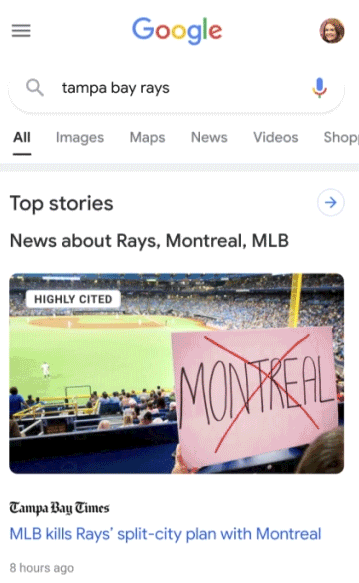
Also note that the extra prominence that highly referenced pages gain in top stories takes up the entire width of the screen, not just a slot in the carousel.
In addition to helping searchers identify pages that other news publishers find relevant, Google explains how this feature boosts the potential of original reporting:
“Suppose a local news organization reports an investigative story that investigates problems in your local school district. The story is so large that it is covered by many other media outlets. However, if you don’t see the original story with a unique context for local residents What? We’re introducing a method to help you identify stories that other news organizations frequently reference, giving you an easy way to find the information that is most useful or relevant to a news story.”
The “Highly Cited” tab will be available soon on English-language mobile devices in the United States. It will launch globally in the coming weeks.
Featured image: ThomasAFink/Shutterstock


