


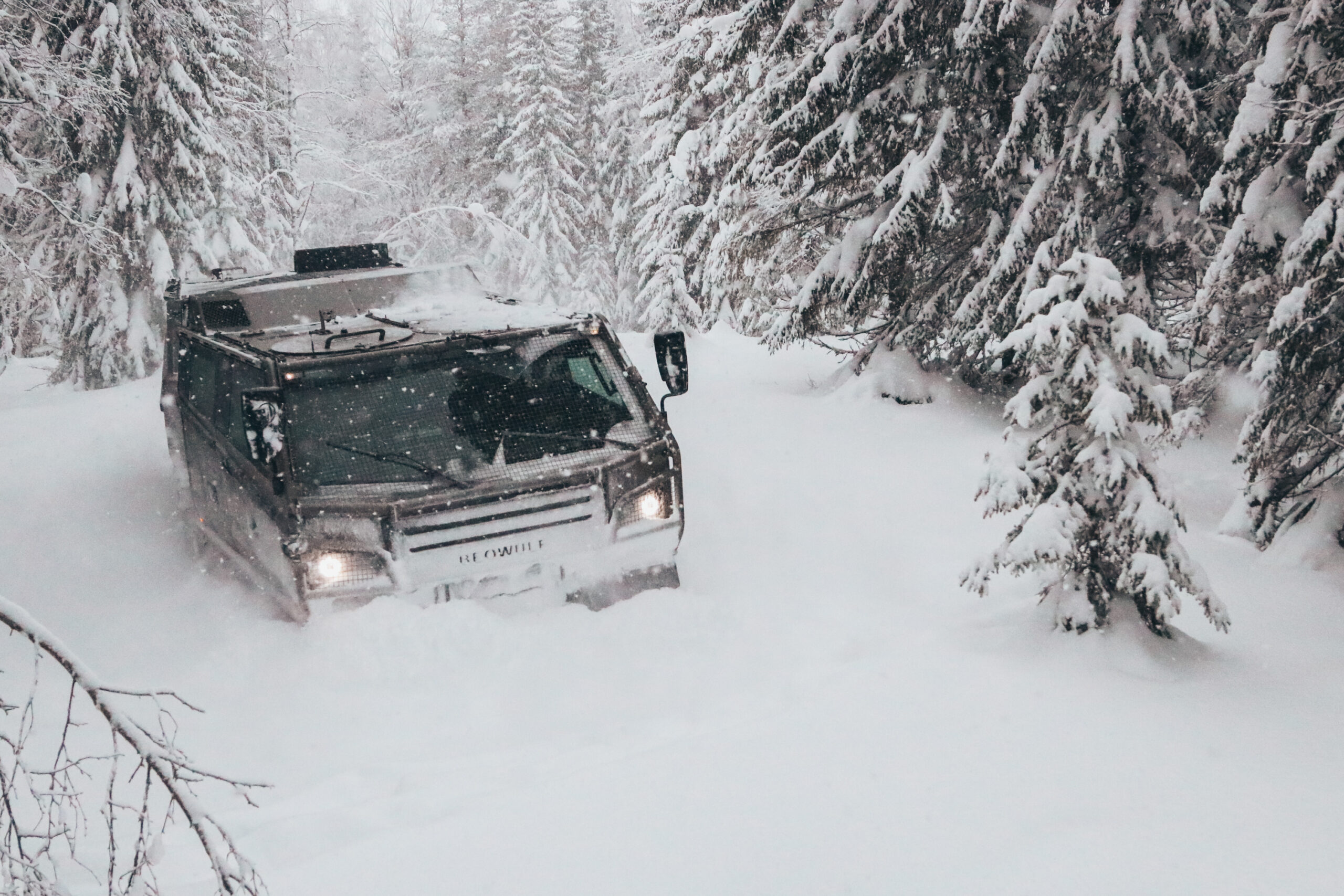
BAE Systems hopes to capitalize on the momentum of its recent win in the US Army’s Cold Weather All Terrain Vehicle (CATV) program to advance its Beowulf articulated all-terrain tracked vehicle in the Asia-Pacific region.
The $278 million contract signed in late August was the company’s first sale of the Beowulf platform, designed to replace the service’s Small Unit Support Vehicles (SUSVs), which are also based on BAE Systems Hägglunds BV206 vehicles.
According to BAE Systems, Beowulf has been tested for amphibious operations, terrain navigation, operations in extreme cold weather, and soldier user evaluation. The vehicle obsoletes the Oshkosh Defense/ST Engineering design of the Bronco 3 vehicle based on the latter.
Darren Restarick, director of business development (Asia Pacific) at BAE Systems, told AMR at the DX Korea 2022 show in South Korea in late September that the company was looking into the possibility of licensing the Beowulf platform in the Asia Pacific region.
“As regional countries prioritize local manufacturing, we are looking into the possibility of local Beowulf production for our customers,” Restarick said, noting that South Korea and India would be potential candidates for this model.
In addition to South Korea, BV206’s other past and present operators in the Asia Pacific region include Indonesia, Malaysia, Pakistan and Singapore. While there is no immediate active ATV program in the region right now, Restarick noted that Beowulf’s ability to traverse challenging terrain and enter tough areas that may not have enough infrastructure to support heavy vehicles has advantages.
Humanitarian aid and disaster relief could also be a new driver for future auto regional sales. The Asia-Pacific region is a region prone to natural disasters, the most recent example being Typhoon Talas that hit central Japan and a magnitude 6.8 earthquake hit southeastern Taiwan in late September alone.
The company had earlier positioned its armoured BvS10 vehicle as a potential need for the Korean Army (RoKA) to eventually replace its aging Bv206 platform. The service has reportedly purchased at least 390 vehicles over the past two decades, although the fleet could be reduced by attrition during that time.
by Jr Ng


