


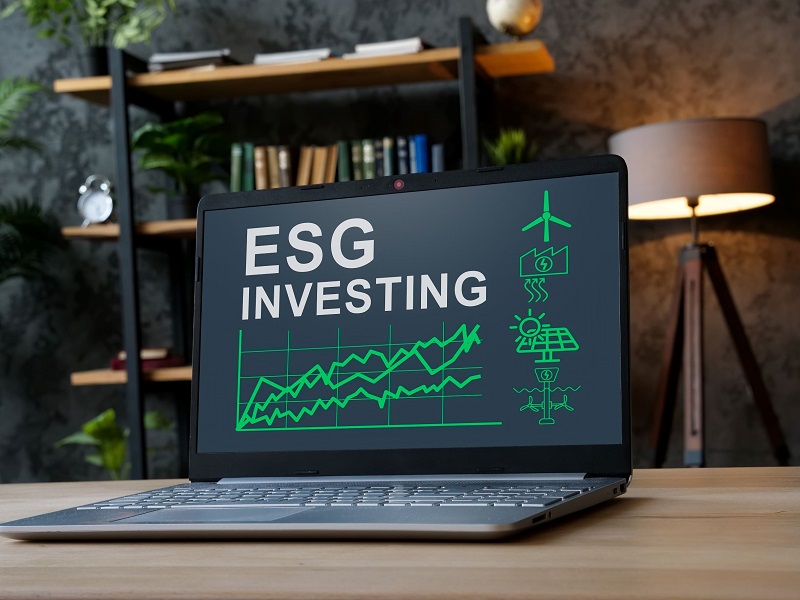
In most cases, you will find that the investment is related to the generation of profits. However, it’s not all about profit. With growing concerns about the sustainability of certain business practices, some groups are prioritizing environmental well-being alongside profits when investing. This is called environmental, social and governance (ESG) investing.
If you’d like to explore ESG investing, we’ve provided a getting started guide.
understand your preferences
It is always advisable to know your values and preferences before making any investment decision. These preferences can help you choose the ideal portfolio, personalized to the things you care about.
and ESG investing, you should know your core values to guide your investment decisions. Ask yourself a few questions. What social values are important to you? Do you like having diversity, safety and health always at the forefront of any workplace? What environmental practices do you need to see in your business?
These questions can serve as a guide to constructing your ideal portfolio. It will reduce the selection process.

work with experts
ESG investing is very different from financial investing. Based on this, it can be challenging to operate in the field and find the right companies you want to invest in. Therefore, it is crucial to work with experts.
There are two options: work with a robo-advisor or a live expert. The latter offers more personalization options depending on your preferences, although it may cost more.
Working with either advisor can help you get started building an ESG portfolio. While you can start investing without one, working with an expert can make it easier for you to navigate options.
Understanding Types of ESG Investing
Like any other investing, there are many approaches to ESG investing.Knowing and understanding each option is critical because diversification Can help build better portfolios.
There are many options for ESG investing. The first is ESG stocks, where you can buy shares from companies that resonate with your beliefs. In this case, the level of risk depends on the degree of sustainability, proper governance and social responsibility. Another option is ESG mutual funds. Here, you will pool funds with other ESG investors, and the fund manager will invest in causes that you and other members believe in.
Understanding ESG KPIs
Understanding ESG key performance indicators (KPIs) can help you decide which companies to invest in. ESG KPIs appear as quantitative measures, making them easier to understand.
Therefore, it is critical to understand the ESG KPIs that you will use to weigh your investment options. Be sure to find KPIs for the three ESG components: Environmental, Social and Governance. In your search, it’s crucial to distinguish KPIs from metrics. KPIs measure the rate of achievement of specific goals, while metrics focus on a company’s operational or tactical performance.
For example, some environmental KPIs are corporate Carbon Footprint, waste management and recycling practices. Governance leans more towards leadership and business ethics. Some governance KPIs include anti-corruption measures, executive compensation and risk mitigation. Meanwhile, social KPIs include employee diversity, gender pay equality, employee health and safety, and employment rate.
stay flexible
Change is an aspect that needs to be considered in any industry. Therefore, accepting change is a good habit you can develop when investing in ESG, especially when the metrics that define it change more frequently than traditional investment options.
Some things that are likely to change are standards, frameworks and regulations. In most cases, these changes are due to changes in environmental requirements.Sometimes climate change may require negative trend. Relevant ESG authorities will then adjust their metrics to help contain emerging concerns. For example, there could be more taxes and government regulations to help improve the status quo.
It is worth noting that these changes can also occur in the social aspects of ESG. New health and safety protocols may be introduced in the workplace, or a diverse office culture may need to be established to promote employee empowerment.
With the flexibility of an ESG investing strategy, you can keep abreast of industry changes. This can lead to better decisions about the investments you plan to make and better adapt to future changes.
in conclusion
Environmental, social and governance (ESG) investing is a great option for novice or existing investors looking to understand their decisions, especially when it comes to climate issues and social value.It may take more time and effort initially, but with ESG investing you will invest in things you believe inmaking it valuable.

