


Whenever I visit Jallianwala Bagh, I feel like I’m transported back to the day of the Holocaust. The air is filled with memories of the innocent lives lost on that fateful day. As I strolled through the gardens, I could almost hear people cries of pain. I can feel the pain of family members killed or injured in senseless violence. Cenotaphs, plaques and memorials scattered throughout the site are reminders of the tragedy that took place there.
As I stand in the bullet-ridden garden, I am reminded of the courage and strength of those who have suffered in this tragedy.the massacre took place in Jallianwala Park A testament to the power of resilience and the power of the human spirit. It reminds us never to forget our past and that we should be vigilant against injustice. Every time I visit Jallianwala Bagh, I am reminded of the tragedy that happened here more than a century ago.
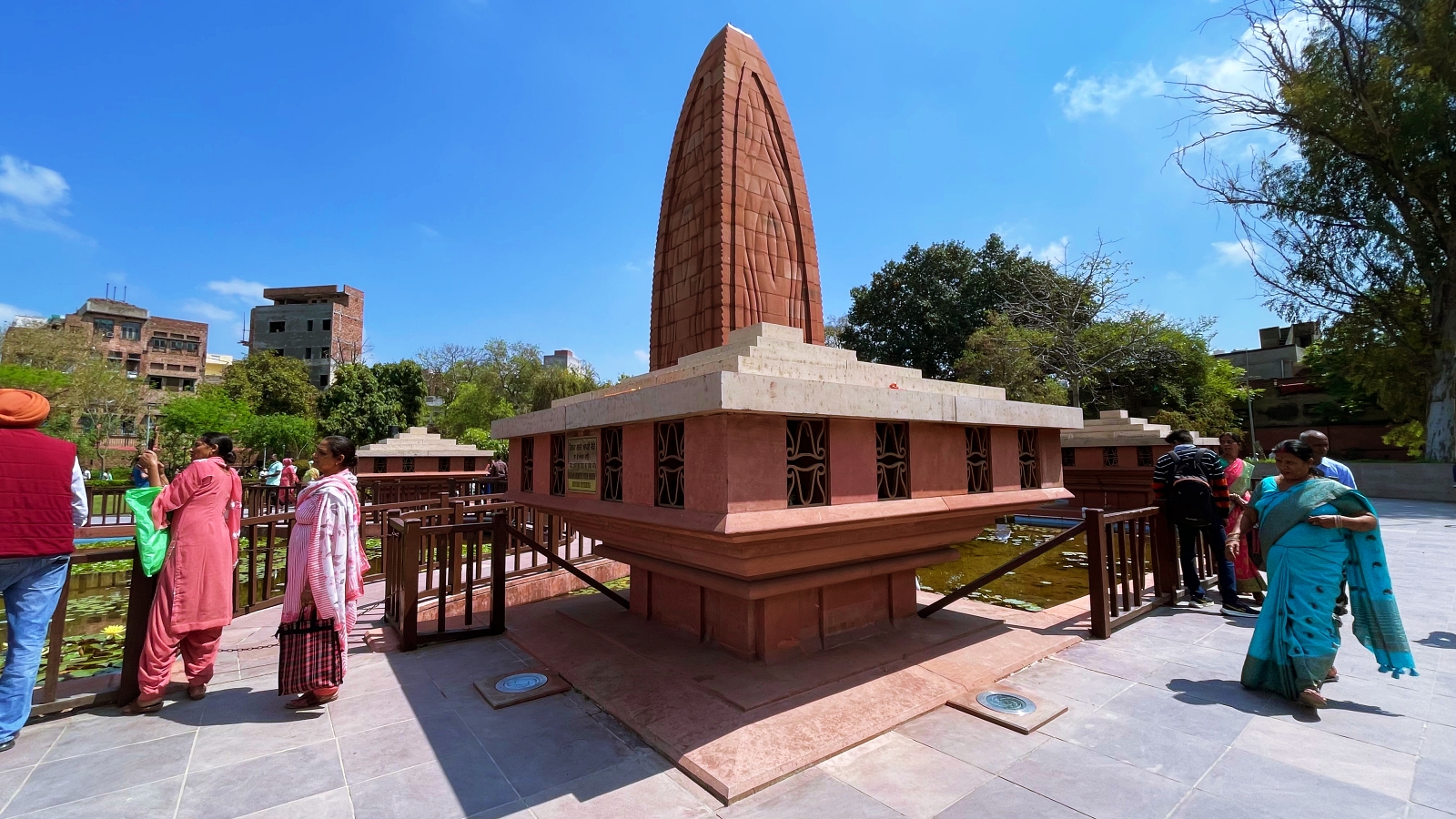
It is often said that the spirits of the innocent victims of the Holocaust never left the place and haunt it to this day. I’m not sure if that’s true, but I do know that the memory of that horrific event is still strong and vivid in my mind. I look around the garden and can almost see the horror of 13th April 1919, when British troops opened fire on a crowd of unarmed peaceful protesters who had gathered to peacefully protest against oppressive colonial rule. Scenes of families, young and old, being shot in cold blood still send shivers down my spine.

The tranquility of the gardens is broken by monuments such as the Martyrs’ Gate and the Eternal Flame, which are reminders of the sacrifices made for freedom. The bullet marks on the wall are also a sad reminder of the tragic events that took place. Every time I visit Jallianwala Bagh, I can’t help but feel a sense of deep sadness and hopelessness, but also pride in the courage and resilience of those who fought for independence. The Jallianwala Bagh massacre may be a distant memory, but it will never be forgotten.
Visit Jallianwala bagh in Amritsar
I recently went to Jallianwala Bagh in Amritsar and it was an eye opening experience. As soon as you step into the courtyard, you are immediately shocked by the quiet atmosphere and the solemn atmosphere that permeates the air. I walked around the venue taking in the sights and sounds of the place. The memorial is very touching and serves as a multiple reminder of the tragic events that took place here. A monument in the center of the garden is a powerful reminder of the massacre that took place here in 1919 when British troops opened fire on unarmed protesters.

I also visited the Martyrs’ Well which is located on this site. It is said that many people jumped into the well in order to avoid being shot by the British army. It’s a sad reminder of what happened here. I went to the museum located at the location. Here, I was able to learn more about the event and the background of the people affected by it. It was a very rewarding experience.

Jallianwala Bagh is a historical site located in Amritsar, India. Famous for the tragic massacre that took place there in 1919, it serves as a reminder of the violence and oppression inflicted on many by the British colonial powers in the early 20th century. Today, the site serves as a memorial to the victims of the Holocaust and a symbol of the Indian people’s struggle for independence. In this blog, we explore the history, significance and impact of the Jallianwala Bagh massacre and its legacy.
History of Jallianwala Park
Jallianwala Bagh is a garden in Amritsar, Punjab, India. It is located near the Golden Temple and is one of the most popular tourist destinations in India. The garden is famous for the tragic event of the Jalianwala Bagh massacre on April 13, 1919. On that day, the British Indian Army was ordered to open fire on a crowd of unarmed civilians who had gathered to peacefully participate in a protest rally.
The shooting, which killed hundreds of innocent people who took part in peaceful protests, is today considered one of the worst incidents of violence in India’s colonial era. In 1951, the Indian government made the site a national monument, and it is now a popular pilgrimage site for people from all over India.
Significance of Jallianwala Bagh
Jallianwala Bagh is an important memorial site in India to commemorate the massacre of April 13, 1919, when British troops opened fire on unarmed Indian civilians. The tragedy is reminiscent of the oppression of Indian colonial rule and the heroic spirit of the Indian people in their struggle for independence and freedom. Jallianwala Bagh, a symbol of the struggle for independence, is a place of pilgrimage for many Indians.
It is a place of pilgrimage for people from all over the world to pay homage to the martyrs of the Holocaust. A moment of silence is observed each year on the anniversary of the Holocaust to commemorate the event. Jallianwala Bagh is a reminder of the price paid for freedom and of the courage and resilience of the people of India.
Jalianwala Park Massacre
The Jalyanwara Bagh massacre of 1919 was a shocking event in Indian history. This is an act of cold blood violence and brutality committed by the British Army against innocent Indian civilians on 13th April 1919 at Jallianwala Bagh public garden in Amritsar, Punjab. The massacre occurred when a British officer, Brigadier General Reginald Dyer, ordered some 400 soldiers to open fire on an unarmed crowd gathered at Jallianwala Bagh to celebrate Baisakhi, the Punjabi harvest festival.
The Jalyanwala Bagh massacre left more than 1,400 dead and more than 1,500 injured. This event became the catalyst for the Indian independence movement, which eventually led to the end of British rule in India in 1947.
Today’s Jallianwala Park
Jallianwala Bagh is a public garden in Amritsar, India. It is famous for the horrific massacre that took place during the British Raj in 1919. On April 13 of that year, British troops opened fire on a crowd of unarmed peaceful protesters, killing an estimated 379 people and injuring more than 1,200. The event has become one of the most brutal acts of colonial rule in history. Today, Jallianwala Bagh stands as a memorial to those who lost their lives. It is a reminder of the power of peaceful protest and a stark reminder of the suffering imperialism inflicts.
Impact of the Jalianwala Massacre
The Jallianwala Bagh massacre on April 13, 1919 is considered one of the most horrific events in Indian history. On this day, General Dyer ordered a group of British Indian Army soldiers to open fire on an unarmed crowd gathered in Jalyanwala Bagh, Amritsar, Punjab. Hundreds of innocent civilians, including women and children, were killed in the massacre. Jallianwala Bagh’s influence was far-reaching and long-lasting.
It greatly exacerbated the Anglo-Indian divide and led to prolonged civil strife. It played an important role in promoting the Indian independence movement and establishing a unified Indian state. The Jallianwala Bagh massacre reminds us of the price of freedom and the immense suffering that the pursuit of power can cause.
Jallianwala Bagh is an important part of Indian history, a reminder of the atrocities committed against innocent lives. It is a place of pilgrimage for many and holds special significance in the hearts of the people of India. The Jallianwala Bagh massacre was a tragedy that shocked the world and changed the course of history. It continues to be a stark reminder of the importance of human rights, freedom and justice. Today’s Jallianwala Park is a place full of hope and remembrance, a place of contemplation and reflection.
Overall, my visit to Jallianwala Bagh was an eye opener. It’s a powerful reminder of the tragic events that took place here, and confronting such history is a humbling experience.


