


Protect yourself from the potential dangers of buying CBD—from untested products to mislabeled contents—with these 3 easy methods.
Image by Julia Teichmann from Pixabay
Hidden Dangers of Buying CBD
The popularity of CBD has skyrocketed since the 2018 Farm Bill formally legalized the industrial production of hemp. New CBD products have flooded the market at record rates. CBD oil, CBD-infused beer, coffees, toothpicks, gummies, pet treats, beauty products, chocolate, skin patches, crystals, lip balm, and about a thousand other iterations are now available. You can buy this stuff at specialty shops, online, and even at your local gas station.
Practically overnight, CBD has become an $11 billion global industry. Researchers predict CBD sales will increase 107% each year in the US for the foreseeable future. According to Rolling Stone magazine, CBD could be a $22 billion industry in 2022.
You May Also Enjoy:
“5 Reasons Why CBD Is Such a Big Deal”
“9 Benefits of Kratom: A Natural Alternative to Opioids and Mood Enhancers”
Traditional corn and soybean growers have begun adding hemp to their crop rotations. Small organic farms are transitioning from growing vegetables to hemp. Hemp, grown for CBD, is poised to become the new tobacco for Southern growers struggling to fill the void left by the loss of that cash crop.
In fact, CBD is so popular right now, that smart people should be putting on the brakes and doing a whole lot more research before buying into all that noise. Here’s why.
The THC/CBD Dilemma
CBD, short for cannabidiol, comes from Cannabis sativa plants, commonly called hemp. That’s the exact same plant we also call marijuana. To put it another way, hemp and marijuana are cultivars of the same parent plants.
Similar to the way small genetic differences make some roses pink and others red, minor genetic differences distinguish these two popular cannabis plants. With hemp and marijuana, the trait that differentiates one cultivar from another is not color, but THC content.
Did you know? You can subscribe and save 35% on our full-spectrum CBD oil and CBD isolate oil with terpenes! This is a chance to get your high-quality CBD oil of choice … at a 35% discount + free shipping!
THC, short for tetrahydrocannabinol, is the substance in marijuana that makes you feel “high”. At least according to the US government, THC is a highly addictive drug and is regulated like cocaine and heroin. CBD, by contrast, is not believed to be addictive or to have the side effects associated with THC. However, it is still considered to be a drug, and not a dietary supplement, according to the FDA.
Both marijuana and hemp contain THC and CBD. The big difference between them, though, is the relative rates of THC to CBD. Marijuana cultivars have much higher levels of THC relative to CBD. While, hemp plants have higher levels of CBD relative to THC.
Problem #1: THC-Laced CBD
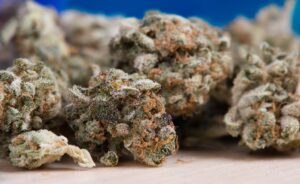
Image by Michael Moriarty from Pixabay
This connection between CBD and THC in hemp plants is the first danger to be aware of when buying CBD. The relative ratio of THC to CBD is fixed. However, environmental conditions can cause the CBD levels in hemp plants to radically increase. When that happens then the THC levels in hemp automatically increase as well.
According to US law, when a hemp plant contains more than 0.03% THC, it is no longer hemp. It’s then classed as marijuana. Unfortunately, there is no universal, federally-mandated test to ensure that the hemp used in CBD products isn’t actually marijuana.
Some states have implemented randomized testing. For example, in North Carolina, where I live, all licensed hemp farms must contact authorities so that one plant from each hemp variety grown can be tested for THC during flowering.
Hemp Goes Hot
Currently, based on those tests, it’s believed that about 10% of hemp in North Carolina are “going hot”. Going hot means the hemp plants are developing too much THC to be legal. This is just data from my state and every state has different regulations on testing.
You May Also Enjoy:
“CBD: How to Choose Between Full-Spectrum, Broad-Spectrum, and Isolates”
“3 Ways to Garden Without Land”
“How to Make Your Own Tinctures, Salves, and Essential Oils”
Conditions that cause hemp plants to go hot can include drought, flooding, excessive soil nutrients, not enough nutrients, heat, cold, elevation, variety planted, cross-pollination (with fiber or seed hemp and marijuana) and lots more unknown factors. Given the kind of weather extremes farmers are facing, and the popularity of other forms of Cannabis sativa the chances of some hemp going hot is pretty high (Yep, pun intended!).
Right now, due to the newness of growing hemp for CBD and the lack of universal and comprehensive testing processes, there are lots of farmers who plant hemp but end up growing illegal marijuana. Some of this THC-laced hemp inevitably makes its way into the CBD market.
Image by Herbal Hemp from Pixabay
Problem #2: Regulatory Gray Area
A lot of people ask if its legal to buy CBD products without a prescription. I’ll get into the deep details of legality in a separate article. But the short answer is … it’s complicated.
You May Also Enjoy:
“5 Reasons Why CBD Is Such a Big Deal”
“10 Medicinal Uses for Comfrey: Wound Healer, Muscle Relaxer, Ulcer Treatment, Eyewash, and More”
The practical reality is that there is enormous confusion and gray area in terms of CBD regulation. As such, most regulatory authorities are taking a less-than-comprehensive approach to stopping illegal product sales. Meanwhile, policy makers are trying to figure out how best to navigate the challenges of legalizing hemp when CBD and THC are still FDA-regulated drugs.
FDA Ambiguity
The FDA, which currently has regulatory authority over CBD, says this:
[T]he agency has warned companies to stop selling CBD products they claim are intended to prevent, diagnose, treat, mitigate, or cure serious diseases such as cancer, Alzheimer’s disease, psychiatric disorders and diabetes. While we have focused on these types of products, we will continue to monitor the marketplace for any product that poses a risk to public health, including those with dangerous contaminants, those marketed to vulnerable populations, and products that otherwise put the public health at risk.
Given the large number of CBD vendors on the market and the very small number of warnings the FDA has issued, some people think the FDA is effectively choosing not to exercise its regulatory rights except in the case of clear public safety issues. However, it’s also possible that the FDA is just developing a more comprehensive plan before they direct resources toward tougher regulation of CBD or waiting to see if lawmakers legalize cannabis at the federal level.
CBD and the Wild West
In either case, no regulatory authority is consistently ensuring the quality or legality of CBD products. There are also no clear guidelines to tell sellers of CBD products what their responsibilities are in terms of consumer safety.
Basically, CBD is a bit like the Wild West of consumer products. Until policymakers make clear decisions on how CBD is to be regulated, consumers need to be extremely vigilant about product safety.
Problem #3: Mislabeling and Misinformation Run Rampant
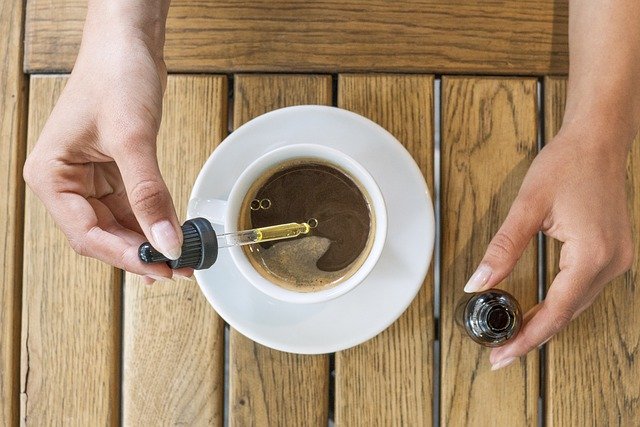
Image by Erin Stone from Pixabay
Did you start your day with a cup of CBD-infused coffee, while applying your CBD facial serum and CBD body lotion, then cleaned your teeth with a CBD toothpick at lunch, and drank a CBD beer after work?
Product Mixing
Hopefully not… but the reality is that some people are so caught up in all the CBD hype and exciting products that they take compounding doses of CBD, in multiple forms, daily. This can be problematic because many of those products don’t list, or incorrectly list, their CBD content. Without understanding the bio-availability of different applications or various mediums, or even safe total dosages, that kind of indiscriminate product mixing could have unexpected consequences. The FDA’s most recent consumer update specifically warns consumers that we don’t yet know the cumulative health impacts of all these different product applications.
Labeling Inaccuracies
Besides that, many research organizations, and the FDA, have tested CBD products to determine their actual levels of CBD. Many of those tests have shown that many products either have lots more or much less CBD than stated on the label. Tinctures and CBD oil seem to come closer to, or be higher than, than their stated CBD amounts. While many water-based products, beauty items, and edibles fall short on the CBD. Not surprisingly, some of those products also test positive for illegal limits of THC.
Snake Oil Sellers Haven
All that regulatory gray area—amid the scientific and anecdotal evidence emerging about the benefits of CBD—have created a perfect environment for snake oil sellers to slap the letters CBD on their labels and cash in on the hype. These kinds of disreputable sellers put public health at risk. Yet, in a flooded market without consistent regulation, it’s hard to know who you can really trust.
You May Also Enjoy:
“How to Get Beautiful Skin in 6 Easy Steps”
“5 Keys to Food Security in Extreme Weather, for Home Gardeners”
Even honest sellers are at risk for inadvertently selling products with mislabeled CBD or THC dosages. For example, small-scale craft beauty products or herbal remedy makers simply don’t have the financial resources to run third party verification on every new batch of CBD they add to a product.
Of course, there are also a number of CBD sellers out there who take their own precautions to ensure the safety and quality of their products too. Yet, the fact is that today there is more regulation on fresh vegetables at the grocery store than on concentrated doses of CBD in your wellness products.
3 Easy Ways to Buy Safer CBD
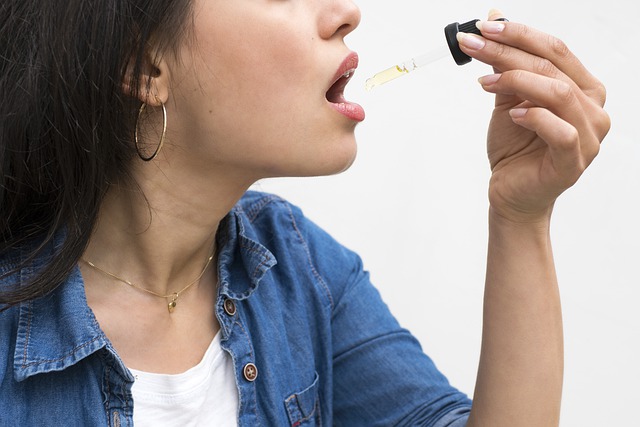
Image by Erin Stone from Pixabay
So… that’s the bad news. The good news is there are some relatively simple things you can do to make better CBD buying decisions.
Tip #1: Request a Certificate of Analysis
The easiest way to limit your CBD buying risk is to request a copy of the certificate of analysis. This is a document provided by a third-party testing company. It should show detailed analysis of the exact breakdown of active and possibly toxic compounds in the CBD products offered for sale. Specifically, it should show the quantity tested and the amount of THC, CBD, and other active or toxic compounds in each specific product offered.
For example, here is a recent Certificate of Analysis for The Grow Network’s 1500mg CBD Oil.
Similar to random samples of hemp plants, product tests are representative. So, not every bottle will have identical content to the test results. But if the tests are recent and the sellers are forthright in giving you access to see them, you can at least be assured they’ve made some efforts to ensure product quality. (Note: Small producers may not do their own testing, but they can contract with suppliers who do use third party testing.)
You May Also Enjoy:
“Are CBD Oil and Hemp Oil the Same Thing?”
Personally—given the agricultural-side risks for variable CBD and THC content, the regulatory gray area, and the numerous cases of mislabeling—I think third-party testing of finished products is the only way to have some peace of mind when buying CBD products. Also, make sure the party providing the certificate is a legitimate, accredited testing facility unaffiliated with the product seller.
Tip #2: Look for Clear Dosage Details
Before you buy that bottle of CBD gummies, that CBD-infused chocolate bar, or any other CBD product, check the back label to find out exactly how much CBD is in each serving or application. If that information is easy to find, that’s a good sign. It means that the supplier realizes you need to know the approximate content so you can make safe dosing decisions when using CBD products.
If that information is not obvious, that should raise questions. Is the seller unsure of the CBD quantity in their product? Are they hiding the fact that it may contain too little or too much CBD? Are they trying to trick you into buying other hemp products with low levels of CBD for the price of concentrated CBD?
Detailed dosage on labeling is no guarantee of actual content. Yet, by putting that information right on the label, sellers can be held accountable for discrepancies from independent tests or by the FDA as they monitor the CBD product marketplace.
Tip #3: Steer Clear of Hard Sells About Medical Uses
There are a lot of CBD products out there. So, sellers do have to hustle to explain why their CBD product is better than the competitions’ CBD product. For example, they may brag about their third-party testing, talk about their organically certified hemp growers, explain their extraction methods, and the like.
You May Also Enjoy:
“Gardening When You Have a Bad Back”
“A No-Nonsense, Illustrated Guide to 49 Botanical Terms”
Click Here to Save Up to 35% on Our High-Quality Full-Spectrum or Terpene-Loaded CBD Oil
Personally though, I suggest you steer clear of sellers that tell you all the specific medical uses for CBD. Making any medical claims about the benefits of CBD is absolutely illegal in the US right now, except for a single FDA product approved for specific kinds of epilepsy. The FDA has already taken preliminary legal action against many CBD sellers who make unapproved medical claims.
Shady Sellers
Companies that continue to use those hard sell methods are clearly uneducated on the FDA’s regulatory stance relating to CBD. If a seller can’t even keep their marketing strategies above the very low bar the FDA has set for ignoring unapproved CBD sales, then how can you trust that seller’s integrity and expertise on the product side? Plus, quite frankly, lots of CBD users want the FDA to maintain its minimal role. And if too many sellers are aggressively thwarting the law, that could make it harder for conscientious sellers to make CBD available to customers.
Skip the CBD Upsell
Right now, there is so much anecdotal evidence about the benefits of CBD to alleviate pain, help with anxiety, or facilitate sleep. There is also a lot of new scientific evidence emerging about the potential applications of CBD for many medical conditions. So, really, trustworthy sellers shouldn’t need to upsell the benefits of CBD. They just need to distinguish their product quality from the mess of snake oil out there.
By the way, the FDA has posted copies of all the warning letters sent to CBD sellers on their website. That’s a good place to cross-check, too, if you have concerns about a CBD supplier.
CBD and Self-Regulation
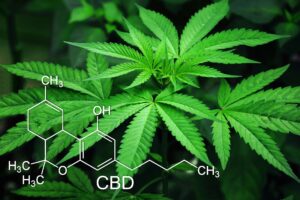
I’m personally not a fan of government regulation, except when it comes to large corporations. So, I am hoping that the CBD and THC products are eventually going to be treated like a legal herbal supplement. I also don’t mind having to do my own research and to be a savvy consumer.
The challenge for CBD consumers right now is all this confusion on the newness of legal hemp production, legality issues, and a lack of guidance to consumers and sellers on labeling laws. Industrial hemp’s similarity to marijuana, and the state and federal conflicts surrounding marijuana, also muddy the waters. The borderline illegality and the connection to marijuana have also made selling CBD products attractive to a lot of disreputable players trying to cash in on the hype.
All of this means that, CBD buyers must be more educated on and alert to the issues than is necessary for something like a garlic or vitamin supplement. This is no easy task in the middle of the policy discussions and changes taking place at state and federal levels. But, if you made it to the end of this article, you are clearly committed to being a conscientious CBD buyer. And I know you can find high-quality products among the numerous questionable ones.
As always, when using any kind of self-dosed supplement, go slowly. Watch for side effects. Stay current on the emerging research on possible interactions or data on long-term use. Also, make sure to consult qualified medical practitioners for any serious health issues.
What Do You Think?
What are your experiences with CBD oil? How do you use it? Share your thoughts in the comments!
_______________
This is an updated version of an article that was originally published on December 6, 2019.
Psst! Our Lawyer Wants You to Read This Big, Bad Medical Disclaimer –> The contents of this article, made available via The Grow Network (TGN), are for informational purposes only and do not constitute medical advice; the content is not intended to be a substitute for professional medical advice, diagnosis, or treatment. Always seek the advice of a qualified health care provider with any questions you may have regarding a medical condition. If you think you may be suffering from any medical condition, you should seek immediate medical attention. You should never delay seeking medical advice, disregard medical advice, or discontinue medical treatment because of information provided by TGN. Reliance on any information provided by this article is solely at your own risk. And, of course, never eat a wild plant without first checking with a local expert.
The Grow Network is a participant in the Amazon Services LLC Associates Program, an affiliate program designed to provide a means for our team to earn fees for recommending our favorite products! We may earn a small commission, at no additional cost to you, should you purchase an item after clicking one of our links. Thanks for supporting TGN!
(Visited 4,058 times, 3 visits today)
The Grow Network is a global network of people who produce their own food and medicine. We’re the coolest bunch of backyard researchers on Earth! We’re constantly sharing, discovering, and working together to test new paths for sustainable living—while reconnecting with the “old ways” that are slipping away in our modern world. We value soil, water, sunlight, simplicity, sustainability, usefulness, and freedom. We strive to produce, prepare, and preserve our own food and medicine, and we hope you do, too!

