


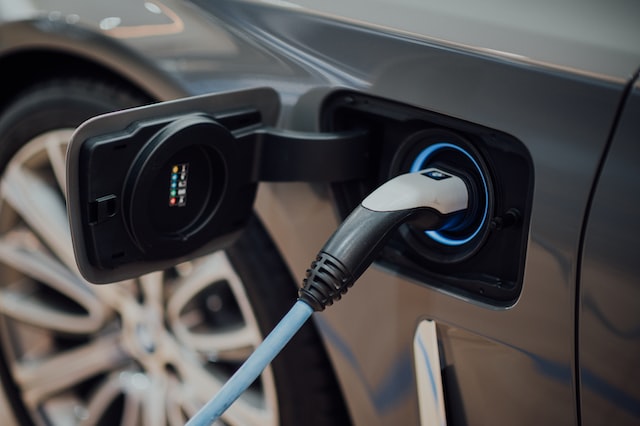
if you thought about a Greener Lifestyle, you may be considering buying an electric vehicle, or EV. For many, this could be a good option. Let’s take a closer look at four things you need to know before buying an electric car.
- Know your EV charging options — and how much they cost
When it comes to charging an electric vehicle, there are three main options.
Home charging, using a system purchased from the car manufacturer or Third-Party EV Charging Stations, is usually more desirable than the public solution, as it tends to be cheaper. Certain EV models, like the 2022 Nissan Leaf, offer bi-directional charging—meaning they can even charge your home if you experience a power outage. Extra bonus? A home electric vehicle charging station may increase the value of your home.
There are pros and cons to public charging stations. While they tend to be more expensive, they usually charge faster. However, public charging stations often have long wait times, making them an inconvenient option for most people. That being said, if your work commute is long or requires long distance travel, using public stops is often unavoidable.
- Electric vehicles cost more upfront but are less expensive to maintain
if you start save the earth, you probably don’t care how much you need to spend to invest in an electric car. We have good news and bad news.
Let’s start with the bad news. The cost of investing in an electric vehicle tends to be higher than the cost of a gasoline-powered model.according to Kelly Blue Bookthe average cost of an electric car is just under $66,000, while the average price of a new gasoline-powered car is just over $48,000.
But the good news is that the long-term maintenance costs of electric vehicles tend to be lower than those of gasoline-powered vehicles. Charging an electric car costs less than buying fuel. In fact, consumer reports It’s estimated that you’ll spend 60% less charging your vehicle than buying gasoline.
Electric cars also don’t require oil changes like gasoline-powered cars. Since electric vehicles have fewer parts than gasoline-powered vehicles, there is less chance of problems with the vehicle in the short term. These vehicles use regenerative braking, which means the mechanical brakes are used less frequently. Therefore, the brakes of these vehicles wear less.
- Tax credits may be an option
When shopping for an electric car, the high fare might scare you off. But the federal government offers a $7,500 tax credit for people who buy this eco-friendly product. Here’s the catch: it only works with certain vehicles.
The government only offers tax credits on certain makes and models. For example, the Nissan Leaf starts at around $28,000. With a $7,500 tax credit, the price can start around $20,500.If you’re considering buying an electric car, there’s no reason to no Research federal tax credits.
- Eventually need to replace the battery pack
A significant cost associated with electric vehicles is the need to replace batteries over time.according to U.S. Department of Energy, the battery pack typically needs to be replaced after 8 to 15 years, depending on the climate where you live. Extreme temperatures can shorten battery life. However, it is possible that they last longer than this estimate. A new battery pack can cost thousands to tens of thousands of dollars, but that cost is expected to decrease over time.
These are just four things you need to know before buying an electric car. From charging to long-term maintenance costs, it’s important to understand all the ins and outs of buying an electric vehicle before making this long-term, environmentally friendly decision.

