


Disclosure: This content is reader supported, which means we may receive a commission if you click on some of our links.
Creating an online business is one of the smartest and easiest ways to become an entrepreneur.
That’s because the possibility of you launching the next online retail giant is as real as gravity. Or maybe you started an affiliate marketing blog and replaced your current salary while doing 40% less work.
The internet has helped open the door to financial freedom for many self-employed entrepreneurs, enabling them to start a business with little to no risk or money.
One of the best parts is that you don’t need a business degree.
Computer science background.
Or millions of dollars in start-up capital. The rules have changed.
what do you need?
You need some time, patience, at least a little money, and a willingness to try new things and adjust as needed.
In this article, we’ll break things down. And covers some of the important steps to creating a successful online business.
It’s exciting, right? Let’s dive into the water.
Why starting an online business is worth it
Online business offers several advantages. For one thing, you can usually start working for relatively little money compared to the cost of a brick and mortar store or office. Once your business gets off the ground, you can start thinking about expansion.
This gives us another advantage: Online businesses are often easier to scale because they are not geographically restricted. You can often reach a wider audience easier and cheaper than running a traditional business.
Finally, an online business can make money for you 24/7. That’s right: get your business right, and it will work day and night. By giving your customers the right marketing and a seamless checkout experience, you can make sales while you sleep.
That said, you have to create the right business and set it up to take full advantage of these benefits. Below, we’ve listed 8 steps to get your online business off the ground.
Investments required to start an online business
There are a lot of variables depending on the type of business you start, but here’s something everyone needs.
The first is a website. You cannot be an online business without an online business. Your website might just need a fancy landing page that tells customers what you offer and gives them a way to sign up. Or it could be a retail store that allows them to buy the product. Or in the case of a SaaS business, it might include a portal where they can access their account.
Whatever you offer, you need a website that supports it.
Next, you need a way to accept payment for your products and/or services. You can choose from a variety of payment services. What’s right for you will depend on your sales, your industry, and the type of technical support you need.
We’re big fans of Square, which has no monthly fees and is fast and reliable. If you decide to move your business from the internet to real life, square Make it easy to accept in-person payments on any device.
8 Steps to Starting an Online Business
Of course, even with a brilliant idea and all the right tools, a successful online business doesn’t happen overnight. Here are 8 steps from idea to launch.
#1 – Come up with a business idea
Facebook, Netflix, Amazon – three very successful and distinct online businesses. Facebook sells communities, Netflix sells entertainment, Amazon sells, well, everything these days, but they started with retailers.
The point is that “online business” covers many different areas. Regardless of your background, you can find businesses that can put your interests, skills and experience to work.
We’ll discuss validating your ideas in the next step, but for now, let’s brainstorm.
Here are some ideas to help you get started:
- Create digital products such as eBooks, apps, videos
- Create an online course
- Sell physical products
- Create a community or membership program
- Create an affiliate marketing platform
- Offers SaaS (Software as a Service)
Once you have a list of viable ideas, start narrowing them down. Consider startup costs, how easy it will be to scale, how long it will take to acquire the necessary skills (or how much it will cost to hire them), and how interesting or exciting you find the idea. (It doesn’t have to be your driving passion, but if you’re not bored to tears, you’ll find it a lot easier to start and run a business.)
If you want an easy way to keep track of your ideas and brainstorm with others, we recommend Mind Master. You can download the app and be always ready for inspiration.

#2 – Validate your idea
You have an idea and you think it will work. Now you need to make sure you can actually make money out of it.
Market research is great – anyway, talk to your ideal customers, get to know them and their pain points, understand their demographics, and find out how much they’re willing to pay for what you offer.
But don’t stop there.
One of the best ways to make sure people actually pay (not just say they are willing to pay) is to create an early offer and see the response. You can do this in a number of ways, such as launching a crowdfunding campaign, opening a store to take pre-orders, or creating a mini-version of a larger product—for example, an e-book instead of an entire course.
Don’t invest a lot of money and time in creating a product that no one will pay for you. Validating your idea allows you to gauge genuine interest in your product and adjust it as needed.
#3 – Develop a business plan
It may sound daunting, but a business plan just means getting an objective view of costs and potential profits through all the details of your business idea. This step is crucial if you are looking for investors or applying for a business loan. But even if you’re funding your business out of your own pocket, it’s a very smart move.
A business plan typically includes the following:
executive Summary. This is a short statement describing your company and why it is successful.You can also include your mission statement
Company Profile. Here you can learn more about your company, how it will work and what its competitive advantages are. For example, where will you source your products? Who are your customers?
market sales. Here you can describe your strategy for attracting and retaining leads and your expected marketing costs. Also describe your sales strategy, i.e. how you plan to convert prospects into buyers.
finance prediction. Be realistic about the startup and ongoing costs of your business, how much you need to sell, and how long it will take before you see a profit.
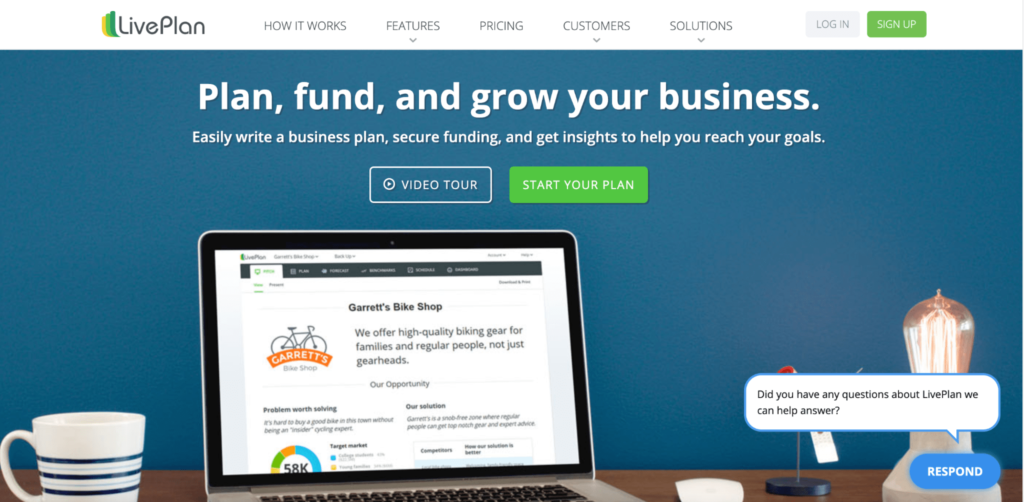
If you need help organizing your plans, validating your ideas, and monitoring your projected cash flow and expenses, check out Field plan.
#4 – Research regulations and get legal advice
There are many federal, state or local laws designed to protect consumers from defective products and false advertising. Unfortunately, there is no single rule that applies to all industries. For example, children’s products are regulated by the U.S. Consumer Product Safety Commission, while the Food and Drug Administration regulates foods, dietary supplements, and cosmetics.
Even well-meaning business owners can violate these laws if they are not careful. Find out what claims you can make about your product, where and how ingredients or components are sourced, and what your responsibilities are worth if the product fails.
Even if you don’t sell physical products, you may still need to protect yourself by posting an appropriate disclaimer where customers may see it. You may also want to consider formally copyrighting your intellectual property to prevent copyright infringement.
A lawyer can help protect you and your business by making sure you understand what laws you need to follow and how to protect your personal and professional assets.
#5 – Choose a business structure
Different business structures offer different balances of personal liability protection, tax efficiency and convenience. For example, if you are starting a simple business without partners and outside investment, a sole proprietorship is an easy and inexpensive way to start a business. More formal structures, such as a limited liability company (LLC) or corporation, offer more personal liability protection and different tax benefits.
You are not locked in – you can change the structure of your business later if you realize that a different structure would be more beneficial. Still, it’s worth taking the time to understand the pros and cons of each option so you can start off in the strongest possible way.
An accountant or lawyer can advise you on the business entity that makes the most sense for your situation.
#6 – Develop your product/service
Finally, we got something good! Whatever you are selling, now is the time to start creating or acquiring it.
If you’re retailing physical products, figure out where and how you’ll buy them, taking into account shipping times and costs. If you’re creating a digital product, whether it’s a video, blog, book, or app, start creating it.
Also, figure out how you will offer your product or service. Will customers download the digital product or access it through a portal? Will you drop-ship physical items or store your own inventory? What are the shipping and handling charges? How will you manage customer questions, complaints and returns?
Tidying up those details now, rather than immediately when you get stuck later, will pay off in terms of stress, time, and money saved.
#7 – Build Your Team
The right people make all the difference. Depending on your size and budget, you may need to hire a full-time employee, or you may be better served by some freelancers who can fill in design, coding, writing, or other tasks as needed.
If you’re a self-reliant sole proprietor with a limited budget, you might even want to do everything yourself while starting work. However, we recommend recruiting and delegating as soon as practicable. Even with just a few hours a week, part-time virtual assistants can take over routine tasks, giving you more time to spend building your business.
Other jobs, such as copywriting or coding, require specific expertise. If you don’t have the skills, invest in someone with skills. Do it right the first time and you’ll save time and money in the long run.
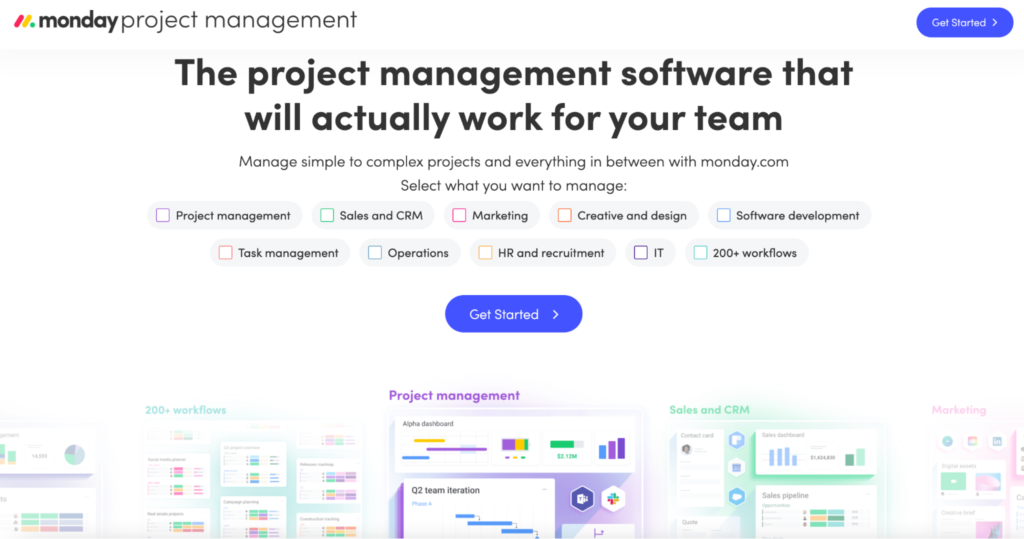
Once you have a team, project management software can help keep everyone on track by making sure all the right people know who needs to do what and when.we recommend Monday Net. It features time tracking tools and collaboration boards to ensure work is in progress and allows you to set up repetitive automations to eliminate repetitive tasks.
#8 – Market, Market, Market
It’s not enough to just have a good – even a great – product or service. You need a plan to let customers know what you’re selling and what it can do for them. If you’re an online business, chances are you can do most or all of your marketing online. However, this still gives you many different channels to choose from.
Marketing can include SEO-optimized web pages, social media posts, pay-per-click advertising, influencer marketing, creating email lists, sending text messages, and more. The channel you choose depends on your budget, audience, brand and product. The options can be overwhelming, and they don’t necessarily require the same skills. For example, writing a long-form sales page requires a different type of expertise than creating a set of visually gorgeous Instagram posts.
Again, it pays to hire the right people in this field, whether full-time or freelance. Make sure they have a solid track record in the media that best suits your business.
Next step
Starting any business can be intimidating, but by following the steps outlined above, you will have a head start on the competition.Now that your business is up and running, be sure to check out our post Reach out to influencers, Create successful marketing campaignsand Create a sales funnel Learn more ideas for successfully reaching your audience and making sales.


