


Saving the environment is not just a matter of gatherings of activists. This is an investment in your personal and professional life. You may have heard of this term before and have a general idea of what green means. Using less plastic and turning off the water when brushing your teeth are simple ways to get the ball rolling. However, on a larger scale, there are many other ways to help protect the home and work environment.
1. Increase resale value
Environmentally friendly houses usually have a higher resale value. Green houses consume less electricity, have better indoor air quality, and use less water. Some common upgrades you can make include installing solar panels, smart thermostats, and low-flow faucets. In addition, planting trees that help cool the house is another green way to increase resale value.
2. Increase durability
Green homes are durable. In fact, using recycled products for construction or refurbishment can save you money on initial projects and in the future. For example, the use of reclaimed wood does not require treatment or dyeing. It is more durable and has a service life that is five times that of traditional wood. In terms of maintenance, the cost of using recycled materials is also lower.
3. Protect natural resources
Natural resources can be divided into several categories. Metal, sand, soil and stones are all natural resources. Animals, such as fish and birds, are also considered natural resources. We use certain types of natural resources to grow food and produce goods and materials. Living and working more environmentally friendly means reducing the use of these items in daily life. At work and at home, you can replace ordinary bulbs with compact fluorescent lamps to save energy and reduce overall usage. You can also make the most of natural light by pulling the curtains open until dusk.
If you own a business, you can actively contribute in many ways. You can use motion sensors for lighting, power off your computer at the end of the day, and invest in multifunctional office machines. If your business has its own fleet of refrigerated goods, you know the importance of maintaining FSMA compliance.Using the reefer monitoring system is a cost-effective solution, which can Detect and correct fluctuations In temperature.
4. Improve air quality

Don’t you just like the smell of the new house? Unfortunately, what you smell is the slow release of toxins in the building materials. The air quality in traditionally constructed houses may be 10 times higher than outdoor air pollution. When the house is built green, it is good for your health and the environment. For example, paints with low VOC or volatile organic compounds will produce less formaldehyde, which is a known carcinogen. Improving air quality also means reducing the number of doctor visits. It is not uncommon for people to experience allergic symptoms when indoor air quality is poor.
5. Reduce construction waste
Trash cans are common fixtures on construction sites. It doesn’t seem like a big deal, however, construction waste accounts for part of the landfill waste. In just one year, this can add millions of tons of garbage, which is there, until more garbage is added to the garbage dump. The use of recyclable building materials can reduce the carbon footprint and reduce the amount of landfill remaining.
6. Mitigating climate change
Climate change is an issue that everyone needs to pay attention to. This is a direct result of greenhouse gas emissions, leading to changes in weather patterns. As we have already witnessed, climate change can cause excessive temperatures, wildfires and life-threatening storms. Climate change will also change the environment itself. The water level in oceans, lakes and rivers may rise. Animals may lose their homes and the atmosphere will be affected.
7. Protect wild animals
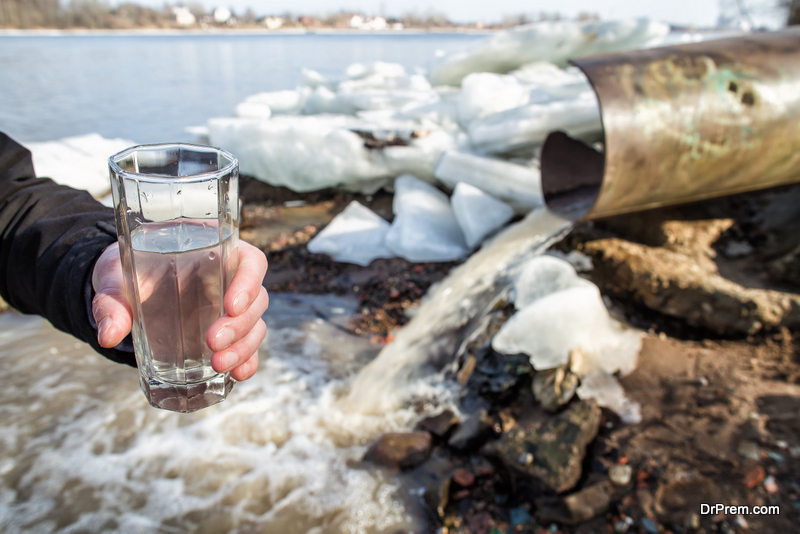
In the past few years, we have learned how our behavior affects wildlife.The choices you make today can be Reduce water pollution And air, in turn, can protect wild animals, especially aquatic animals. Every year, thousands of animals die from eating plastic thrown into the water. Changing plastic to recycled paper and disposing of it properly is a good starting point.
8. Protect future generations
Today’s children are tomorrow’s leaders. Doing your part now can ensure that they have a cleaner future, not a future full of exhausted resources needed to maintain a good quality of life. You can also teach your children how to save energy, recycle and reduce water consumption.
9. Promote the local economy
When you shop locally, follow Eco-friendly shopping tips, And eat organic food, it reduces greenhouse gas emissions. You can also promote economic development and improve overall health by avoiding toxic pesticides. If you have space, you can also start growing your own seasonal fruits and vegetables. If your outdoor space is limited, you can still plant in a container. Tomatoes, strawberries and green beans can grow vertically, so you only need to put a small trellis in your pot. You can also invest in an indoor planting system that allows you to grow a variety of lettuce and herbs throughout the year under low-voltage LED lighting.
Articles submitted by community writers


