


When the COVID-19 pandemic occurred last year, many experts predicted that the virus would surge across Africa, but so far, no major outbreaks have occurred on the continent, which puzzled scientists.
Although less than 6% of Africans are vaccinated, and residents in many countries do not wear masks often, the World Health Organization describes Africa as “one of the least affected regions in the world.”
Wafa El-Sadr, chair of global health at Columbia University, told the Associated Press that something “mysterious” is happening across the African continent.
“Africa does not have the vaccines and resources that Europe and the United States have to fight COVID-19, but somehow they seem to do better,” she said.
Researchers believe that the lower number of cases may be due to the younger population—the average age is 20—or their lower urbanization rate and longer outdoor activities. Others believe that this may be related to previous infections with other diseases, or even without a vaccine, people across the African continent are more accustomed to responding to the epidemic.
In the Associated Press report, Uganda researchers said on Friday that they found that COVID-19 patients who had been exposed to malaria were less likely to develop severe symptoms or die.
Jane Achan, a senior research consultant at the Malaria Alliance and a co-author of the study, told the Associated Press that when they entered the project, they believed that previous exposure to malaria would make the COVID-19 infection worse.
“In fact, we were surprised to see the opposite situation-malaria may have a protective effect,” Achan said.
For more reports from the Associated Press, please see below:
Search Mukwazhi/Associated Press photos
Devi Sridhar, chair of global public health at the University of Edinburgh, said that African leaders did not receive the praise they deserve for acting quickly, on the grounds that Mali decided to close the border before COVID-19 arrived.
“I think Africa has a different cultural approach, and these countries treat COVID with humility because they have experienced diseases such as Ebola, polio and malaria,” Sridhar said.
In the past few months, the coronavirus has hit South Africa, where it is estimated that more than 89,000 people have died, making it the country with the largest number of deaths so far on the African continent. But for now, although the African authorities admit that there may be a gap, they have not reported a large number of accidental deaths that may be related to COVID. WHO Statistics show that the death toll in Africa accounts for only 3% of the global total. In contrast, the Americas and Europe accounted for 46% and 29% of deaths, respectively.
In Nigeria, the most populous country in Africa, the government has so far recorded nearly 3,000 deaths of its 200 million population. The United States records many deaths every two or three days.
A small number of Nigerians, such as 23-year-old Opemipo Are in Abuja, feel relieved. “They said there would be dead bodies in the street and so on, but nothing like this has ever happened,” she said.
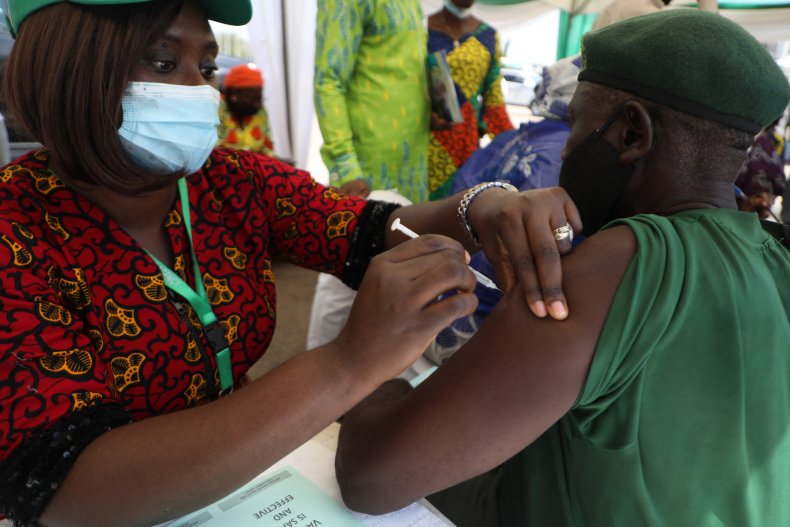
On Friday, the Nigerian authorities started a campaign to substantially expand coronavirus immunizations in this West African country. The officials’ goal is to vaccinate half of the population by February, and they believe this goal will help them achieve herd immunity.
Nigerian virologist Oyewale Tomori, who is a member of several WHO advisory groups, suggested that Africa might not even need as many vaccines as the West. Although this idea is controversial, he said that African scientists are seriously discussing this idea-which is reminiscent of the proposal made by British officials in March last year to allow COVID-19 to infect people freely in order to build immunity.
However, this does not mean that Africa does not need vaccines.
Salim Abdool Karim, an epidemiologist at the University of KwaZulu-Natal in South Africa, once advised the South African government on COVID-19. He said: “We need to vaccinate as much as possible Vaccines, prepare for the next wave of epidemics.” “Look at what is happening in Europe, the possibility of more cases spreading here is very high.”
In Zimbabwe, doctors are grateful for the relief of COVID-19, but worry that it will only be temporary.
“People should be highly vigilant,” warned Dr. Johannes Marisa, chairman of the Zimbabwe Private Medical Dental Association. He worries about another wave of coronavirus in Zimbabwe next month. “Complacency will destroy us because we may not realize it.”
Cora Sulemon/AFP Photo via Getty Images


