


When building an online business, one of the most important aspects you have to consider is the pricing strategy of your product. The price of your product will determine your profit margin, so it is an important part of running your own business. However, knowing where to start and how to develop a pricing strategy can be difficult. Since there are several commonly used pricing strategies, it is crucial to choose the one that works for you and your ecommerce store.
after you start Build your online store, you should definitely spend some time doing a pricing analysis and thinking about a pricing strategy that’s right for your business. This article will explore different pricing strategies so that you can make an informed decision when conducting a pricing analysis for your online store.
What is a pricing strategy?
Pricing strategy refers to the type of analysis and procedures a business will take when determining how to value its product. When it comes to profit, the right pricing strategy must be used.
About 90% online consumer Will shop around to find the best price for a product, because they have the freedom to do so. This means that your product price is more important than a brick and mortar store. They only compete with nearby stores, whereas e-commerce businesses compete with all other online stores.
9 Pricing Strategies You Should Know About
Businesses use many different types of pricing strategies. Some are more popular than others, but they will all be helpful when doing price analysis for your store. Let’s explore nine of the most popular.
cost-based pricing strategy
Cost-based pricing is the most straightforward pricing strategy. This means calculating the cost of production and then putting a price on it to make sure you make a profit. So, if your product costs $10 to manufacture, and you want to make a $10 profit, you would set the price at $20. Manufacturing organizations use this model to mark up products to ensure they make a profit on every sale.
Cost-based pricing is a popular pricing strategy, but it also has its drawbacks. First, it doesn’t take into account consumers and how much they are willing to pay for your product. It also does not take into account the current market prices of these products. So while selling every product will make a profit, people may not want to pay.
market-based pricing
When using a market-based pricing strategy, companies consider their competitors’ pricing and current market prices before pricing their products. It involves conducting market research on identical or similar products to gauge their selling prices.
calculation is Product cost market price.
If some organizations think their product is worth the money, they may mark up the price. This form of pricing strategy is common among smartphone companies. They both look at each other’s current pricing before setting their own. Market-based pricing means your prices will be competitive with the current market. However, if another organization’s pricing is wrong, so can you. It also doesn’t take into account customer value, a key aspect of pricing.
Dynamic Pricing
This pricing method involves prices constantly changing throughout the day, depending on fluctuating demand and market prices.Organizations can use multiple Dynamic Pricing Tool calculate this And organize dynamic pricing strategies for you. Uber uses dynamic pricing. Fares increase with demand and are constantly changing based on the number of people who need to ride. Airlines also use this pricing strategy for airfare.
Dynamic Pricing Strategy Helpful because it constantly takes into account volatile markets and maximizes profits with higher demand. Nonetheless, it does require constant observation and monitoring as prices change frequently.
value-based pricing
A value-based pricing strategy involves considering how much consumers value your product and setting prices based on that customer value. Another important part of this pricing strategy is looking at the current market to see what your competitors are offering.
One brand that makes an excellent use of value-based pricing is Apple. Their products cost more than their competitors, but they have built a loyal customer base over the years who are happy to pay premium prices for their products.
Value-based pricing allows you to make informed choices about product prices based on market research and customer value. However, doing this research and getting the right price can take a lot of work and resources. In business, time equals money.
skimming price
The strategy involves launching a product at a high price and slowly lowering the price over time. It will attract high-income shoppers, and then other consumers will buy the product when you lower the price.
It can be helpful when keeping up with fast-moving trends that have high demand for a particular product. This is a common practice used for clothing. Stores will launch new clothes that match current trends at higher prices, then slowly lower prices before going on sale as new seasonal trends arrive.
Pricing your product will help improve profit margins, but you have to make sure you don’t price yourself out of the market. If you charge too much, consumers will go elsewhere.
Penetration pricing
Penetration pricing is the opposite of skimming pricing. The purpose here is to start selling your product at a lower price and then slowly increase it over time. Offering discounted prices can help with initial sales, which means you can sell more products and increase customer loyalty. The point is to enter the market at a lower price than your competitors and hope that customers will be happy to pay full price later.
This strategy is heavily used for subscription-based services. You can get the first month for free or at a lower price and then pay full price. When established companies release new products, they bring them to market at lower prices for customers to try. However, this is a risky choice, as it could mean selling your product for less than it’s worth.
bundled pricing
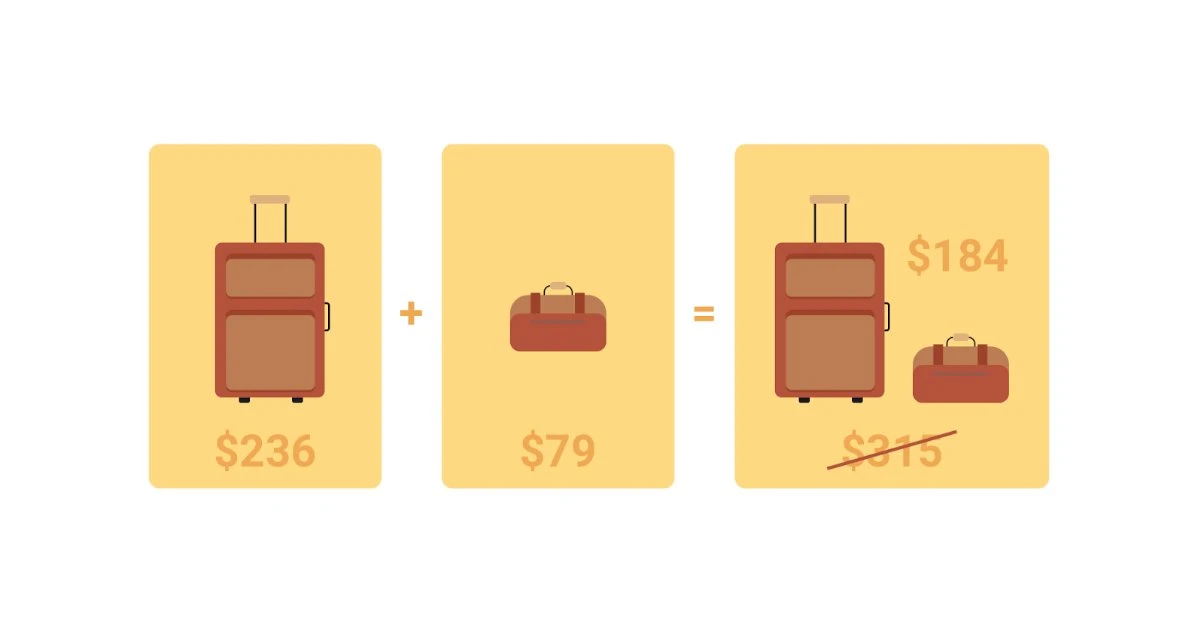
When a company combines two or more products and sells them at a lower price than they would retail individually, it’s a bundling pricing strategy. HumbleBundle is a website for this purpose that bundles video game bundles together. It sells them for less than what users would pay individually.
This is an excellent pricing strategy in terms of customer value. Consumers are more likely to pay for a bundle if they perceive it to be worth more than its selling price. It can also help sell less popular products by bundling them with higher-value items. Often, you want to bundle products that are similar and complement each other.
However, customers may not want all the products in the bundle and, in some cases, may prefer to pay separately. Ensuring bundled pricing benefits your business and consumers is critical.
Anchor pricing strategy
Anchor pricing is when you use one product as an “anchor” by placing another, more expensive product next to it, or by putting the product on sale.
For example, you sell clothing and you want to sell a hoodie for $35. You’ll be more likely to attract customers by pricing it at $45 and then breaking out of that and putting $35 next to it. The customer used $45 as an anchor point and thought they got a deal because it was $10 cheaper. You think the product is worth $10 more than the product you sell, thus bringing more value to the customer.
Anchor pricing is a great tool when comparing subscription packages. You are showing more expensive/cheaper options, the tundish is the “anchor”. However, it doesn’t always work. Customers are getting smarter about this approach. Organizations were wiped out during Black Friday 2021 as consumers realized they could have bought products at cheaper prices at other times.
Loss Leader Pricing
This pricing strategy involves selling products at a loss. Organizations use this feature when entering new markets or attracting new customers. This is often seen with credit cards that offer introductory rates. Or, a company has launched a new product, initially selling it at half price to entice customers to try it out.
This is a controversial pricing strategy, especially when the price of a product rises to full price, and there is no guarantee that customers will continue to buy. Entering at a lower price may reduce customer value, which means consumers are put off when you change the cost to the total amount.
How to choose a pricing strategy
Now that you have learned about the various pricing strategies available in the market, you may be wondering how to choose the best pricing strategy for your business. Therefore, learning how to conduct pricing analysis is critical to a brand’s success. However, there are several factors to consider when conducting a pricing analysis, such as:
• your target market and how much they are willing to spend;
• the manufacturing costs of your business;
• Competitors’ current selling prices;
• The customer value of your product.
Ultimately, your business needs to be profitable to be successful. Considering all of the above options should help you think about your pricing strategy. Remember, no pricing strategy needs to be around forever. You can try one and the other. Your pricing strategy may vary depending on the different products you have. Testing a pricing strategy and changing it over time will help you find a pricing strategy that works for your business.Some website builders, including Ucraft, offer valuable integration For data tracking and analysis to help you determine which pricing strategies are working.
judgment
There are many different pricing strategies, each of which is valuable for a specific industry, market, and store size. Choosing the right pricing strategy for your business requires researching and considering your consumer base, target market, customer value and product.
You don’t have to stick to the same pricing strategy for every product, you can test and change options based on these factors. Once you’ve built a loyal customer base for your brand, it’s easier for you to determine your product’s pricing strategy. However, taking the time to choose a pricing strategy before launching your online store is critical to the success of your business.
After deciding on your pricing strategy, all you need to do is build your website! Ucraft offers a wide variety of Ecommerce Templates Works with any industry, so pick the one that fits your store or business idea and get started.


