


Planning a summer kitchen? Use these 17 questions as a guide to create a useful, well-designed space for outdoor cooking and preservation.
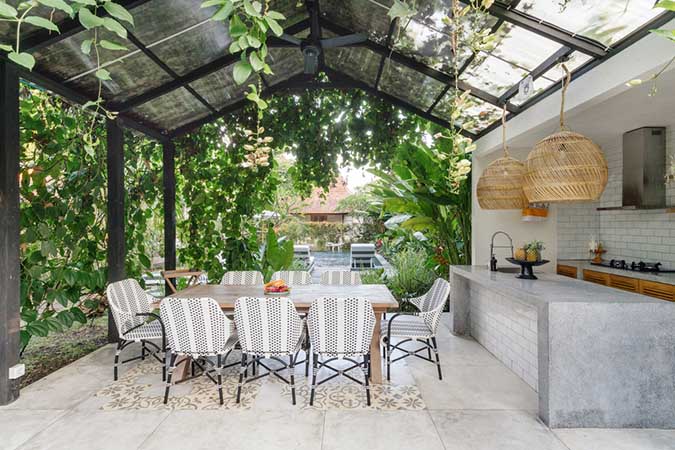
Before the days when the house had electricity or air conditioning to cool the living space from the heat of summer and cooking, there were summer kitchens.
This is to keep the house as cool as possible. They are also known as outdoor kitchens.
Planning a summer kitchen means creating a space dedicated to year-round food, canning, preservation, pickling and processing. It all happened on a wood-burning stove that produced enough heat to drive everyone out of the house.
Use the summer kitchen today
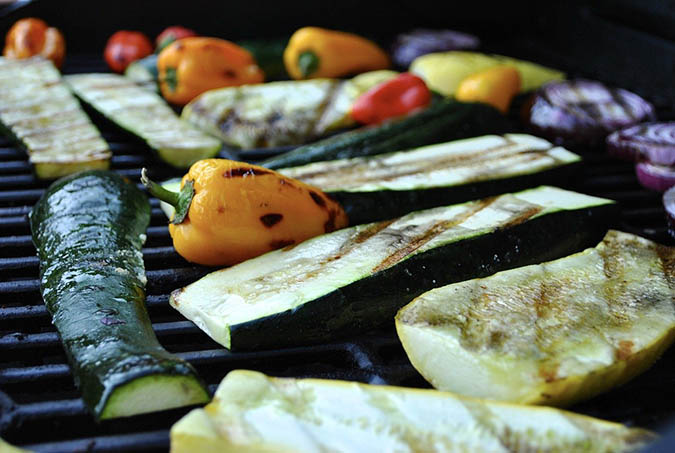
Image Source Angela Henderson Orr from focus on
When I lived on an island in the Caribbean, our little beach cottage had a kitchen on the porch. Why? So cooking doesn’t heat the entire 400 square foot house. Unlike summer kitchens in North America, this small workspace is our main kitchen year-round rather than seasonal.
In the past, food was often prepared in the kitchen, but not stored there. Herbs are dried in the attic; flour and vegetables are kept in the cool cellar. You’ll walk around the house to gather ingredients for a meal.
You can also enjoy:
“How to create food security for you and your family”
Summer kitchens are abandoned when electricity starts to enter the home.
However, these outdoor kitchens are starting to make a comeback as people want to get closer to their food supply. There is no way to get closer to nature and the food we eat than in the summer or in an outdoor kitchen.
Questions to Ask When Planning Your Summer Kitchen
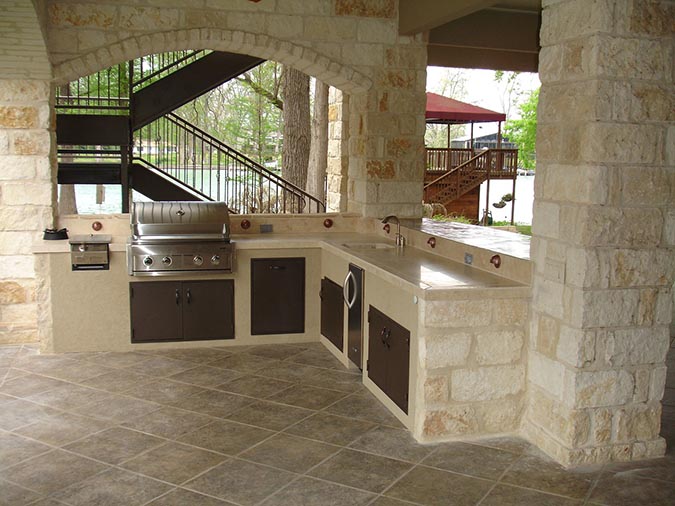
Image Source Alison Gillett from focus on
When planning your summer kitchen, consider functionality, efficiency and comfort. What do you need now and what can you do later?
An efficient summer kitchen space can be as simple or as sophisticated as you want it to be. Oh, and the pizza oven you want: is it a necessity or a luxury?
Here are some questions to ask yourself when planning your summer kitchen:
- Do you want it to be seasonal or permanent?
- Does it need to be closed, partially closed or open to the element?
- Does it need shade?
- do you need a seat? a table?
- What do you need to store? food? spices? chopping board? silverware? Plates and bowls? cooking utensils?
- Is there a herb garden or vegetable garden nearby?
- Do you need tap water?
- How about a greywater catchment system?
- Is there compost nearby?
- What will you cook with?
- Do you need an oven? A solar oven? Dehydrator?
- Do you want to put the kitchen on the ground floor?
- Do you need refrigeration?
- What do you do when it rains? When is it windy? When it’s hot?
- Who will use the kitchen?
- Who would be in the kitchen, especially at the same time?
- How do you spend your time in the kitchen? Cook or bake? Interesting? dishes?
Consider Triangular Work Spaces When Planning Your Summer Kitchen
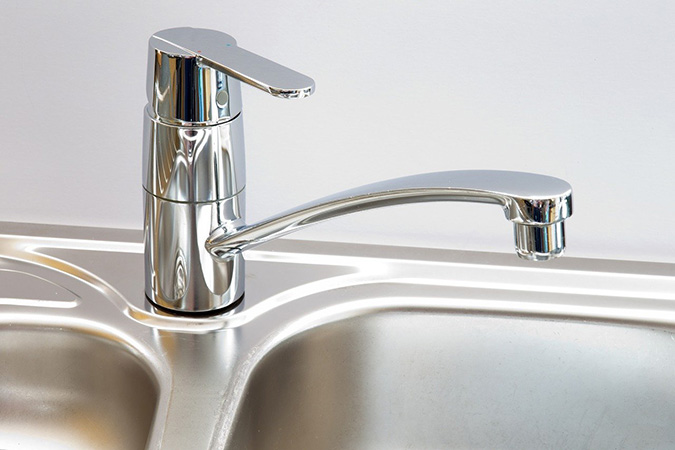
Image Source Ron Potter from focus on
Regardless of the location of the kitchen, the triangle is a great shape to use when designing an efficient kitchen workflow.
As you plan your summer kitchen, consider how you will work in the kitchen as you prepare meals. You take food out of the refrigerator. Then take it to the sink or stove area. Clean up everything from the stove and prep area to the sink, and keep leftovers in the refrigerator.
Make plans before creating an outdoor kitchen. Take a closer look at what fits in the space allowed when planning your summer kitchen. Two ways in and out of the space will aid flow.
You can also enjoy:
“How to Maintain a Cutting Board”
Start with the sink. This is where you spend a lot of time cleaning, prepping and washing dishes. You also want beautiful views while you work, right?
inside cooking areayou’ll want to be able to socialize with family and friends.
You may need between 18″ and 36″ for a comfortable prep area. There is nothing worse than not having an adequate prep area. am i right?
When planning your summer kitchen, consider walkways and flow into and through spaces.
Set up your summer kitchen with 5 zones
Image Source Joanna Chupa from focus on
When planning your summer kitchen, keep 5 areas in mind:
- Food storage (refrigerator, cupboard or pantry)
- dishes
- Clean up (sink area)
- preparation area
- cooking
Store items as close to their area as possible. For example, knives, mixing bowls, cutting boards and wooden spoons should be placed in the prep area. Cooking pots and griddles should be placed in the cooking area.
Store dishes near the sink. It’s great to have a cupboard above the sink where your dishes can be dried and stored in one place.
Food preservation in the summer kitchen
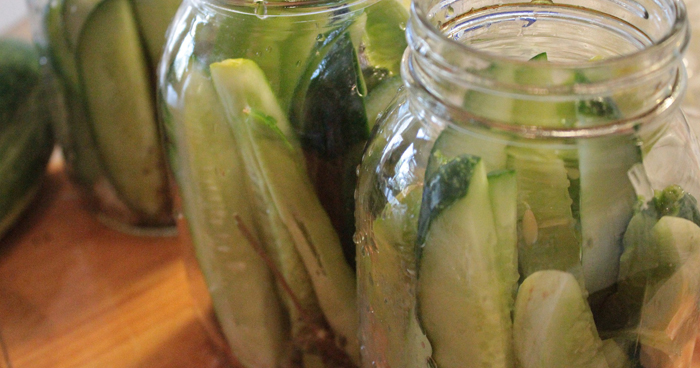
When my grandmother was canning her summer vegetables, the outdoor kitchen was the norm, not a luxury. She built her outdoor kitchen under a giant aspen tree, and the yard is full of chickens. If grandma did it, so can you!
It’s great to preserve your harvest during the cold winter months. It may take time and effort now, but it’s well worth it.
You can also enjoy:
“102°F to 85°F: Off-Grid AC and Survival Cooling”
Life is a little slower so you can enjoy family and friends.
When planning your summer kitchen, keep in mind that there are three ways to preserve food in particular: storage, canning, and drying.
The important thing is to start where you are. Check out this video for more tips.
storage
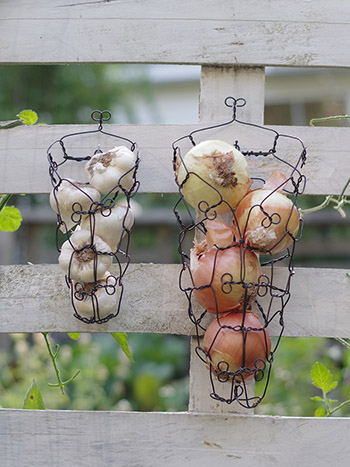
Image Source Dave Charest from focus on
Small amounts of vegetables can be stored, but only for a limited time.here is one Good article on storing fruits and vegetables From the University of Missouri Extension Office.
You can store:
- Potato
- sweet potato
- beet
- radish
- parsnips
- radish
- Chinese chives
- radish
- horseradish
- kohlrabi
- garlic
- onion
Make sure the vegetables are firm. Remove any dirt, but don’t wash the vegetables. Put vegetables in boxes or crates. Air should circulate around the vegetables. Crate crates and wire baskets are great for this.
can
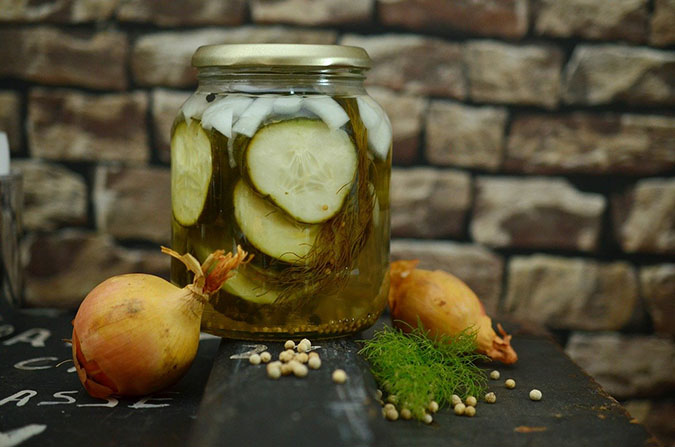
Image Source Conger Design from focus on
If you’re canning, make sure you have all your supplies ready.
- Canning jars and lids
- canned water bath
- pressure canning
- funnel
- Ladle
- pectin
- spices
- salt
- can lifter
This is”canned corn that’s sweet every time. “
Learn which fruits and vegetables need pressure canning and water bath canning. To that end, the book Hoarding is invaluable.
Grow Network also offers excellent mini-courses pressure canning and canned water bath in our college.
drying
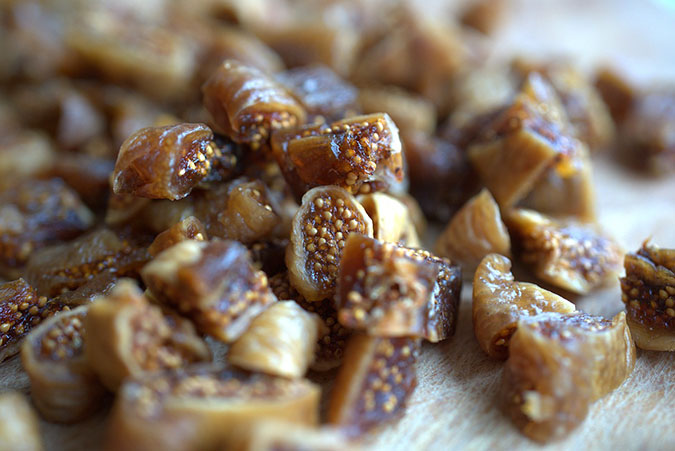
Image Source Andreas Lischka from focus on
Drying fruits and vegetables is very easy. You can even make it in a sun oven! Dry food can be stored indefinitely, as long as it is kept dry.
You can dry:
- root vegetables
- various beans
- Cereals and Grains
- celery
- herbal
- pea
- black pepper
- berry
- Fruits high in sugar and low in water
here is one Great article on dehydrator recipes.
What do you think?
If you’ve been planning a summer kitchen, maybe now is the time to build it. Share your thoughts on how to set it up in the comments below!
________________
This is an updated version of an article originally published on June 13, 2018. Authors may not be able to respond to comments at this time, but we encourage our community members to join in to share their experiences and answer questions!
Grow Network is a participant in the Amazon Services LLC Associates program, which is designed to give our team a way to earn money for recommending our favorite products! If you purchase an item after clicking one of our links, we may earn a small commission at no additional cost to you. Thank you for your support of TGN!
(6,439 visits, 1 visit today)

The Grow Network is a global network of people who produce their own food and medicines. We are the coolest bunch of backyard researchers on the planet! We are constantly sharing, discovering and collaborating to test new ways of living sustainably – while reconnecting with the “old ways” that are disappearing in the modern world. We value soil, water, sunlight, simplicity, sustainability, practicality and freedom. We work hard to produce, prepare and preserve our own food and medicines, and we want you to do the same!

