


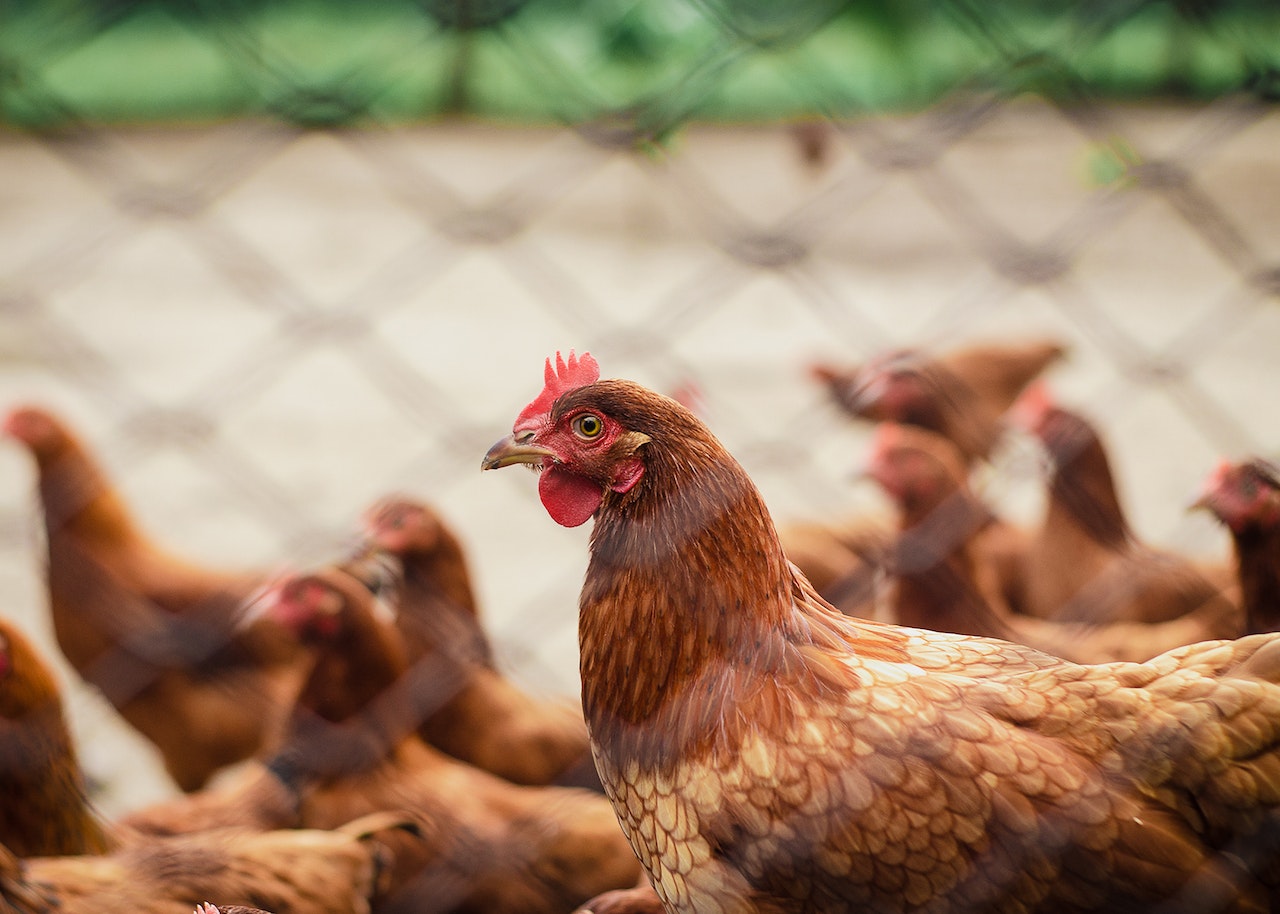
Photo by Italo Melo on Pexels: https://www.pexels.com/photo/brood-of-hen-2446695/
Poultry farming is an agricultural practice that involves raising domestic birds, such as chickens, turkeys, ducks, and geese, primarily for meat or eggs. This practice has become an important part of the world’s food production as the global population grows and demand for protein increases. But parallel to this growth is the pressing issue of environmental protection. This begs the question: Does poultry farming help or hinder the fight against environmental degradation?
Today’s poultry farming has begun to move away from traditional and potentially destructive practices to more sustainable ones. This progress is driven by the development and implementation of technologies that reduce environmental impact, manage resources efficiently, improve bird welfare, and more importantly contribute significantly to environmental protection.
Let’s take a deep dive into how modern methods of poultry farming can effectively contribute to environmental protection.Whether you are a backyard chicken person, or want to raise chickens poultry nesting box For seasoned farmers, keeping up with modern practices is critical to ensuring the health and productivity of poultry.
Learn about modern poultry farming
according to Food and Agriculture Organization (FAO)Global poultry meat production has increased dramatically from 9 tonnes to 133 million tonnes between 1961 and 2020 to meet growing demand. Similarly, egg production also increased from 150,000 tons to 93 million tons. In 2020, nearly 40 percent of global meat production will be poultry. Over the past 30 years, global egg production has increased by 150%.
Modern poultry farming has come a long way since its original design. Advances in technology and science have ushered in an era of efficiency, less waste and better animal welfare practices. The main reason for this paradigm shift is to meet the growing global demand for poultry products while ensuring environmental sustainability. This shift involves the integration of robotics, data analytics and advanced feeding technologies to optimize operations.
The use of innovations and techniques such as precision feeding and climate-controlled poultry houses helps simplify operations. For example, precision feeding can tailor each bird’s diet to its specific needs, reducing waste production and maximizing growth efficiency. Climate-controlled environments, on the other hand, can enhance bird health and reduce energy consumption by optimizing temperature, humidity, and ventilation.
However, the most striking aspect of modern poultry farming is its environmental protection. The industry is increasingly aware of its potential environmental impact, driving change from within to ensure a sustainable future. Whether implementing waste management strategies or finding ways to reduce water and energy use, modern poultry farming recognizes its economic and ecological responsibilities.
In addition to industry-led changes, external factors such as consumer demand for ethically sourced products and government regulations promoting sustainable farming practices are also driving the industry to become more environmentally friendly.
Environmental Protection Technology of Modern Poultry Breeding
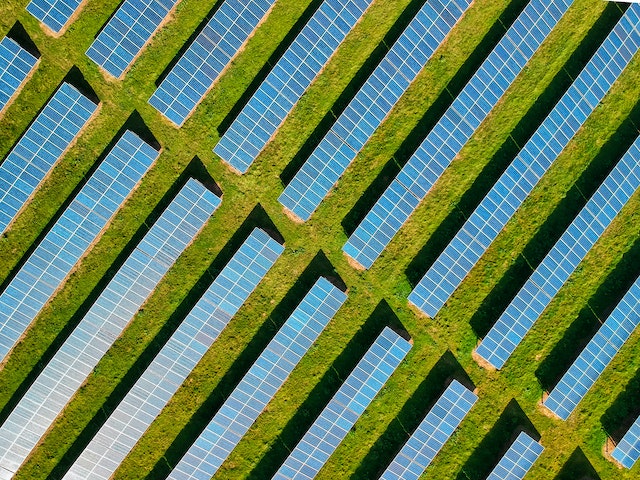
Photo by Red Zeppelin on Pexels: https://www.pexels.com/photo/solar-panels-on-a-green-field-4148472/
Modern poultry farming has adopted a variety of environmentally friendly technologies and has made a significant contribution to environmental protection. Understanding these technologies is critical as it underscores the industry’s commitment to combining profitability with sustainability.
waste management
A major advance in modern poultry farming practice is efficient waste management. Poultry farms generate a lot of waste – feathers, litter, dead birds and droppings – which can harm the environment if not handled properly.
To combat this, modern farming practices involve turning waste into valuable resources.poultry manure now processed into biofuel and organic fertilizers, reducing landfill waste and contributing to a circular economy system. Additionally, composting and anaerobic digestion techniques are used to manage manure in an environmentally friendly manner.
Energy consumption
Modern poultry farms have made great strides in saving energy. High-tech, energy-efficient equipment such as LED lights and automatic heating and cooling systems are integrated into the poultry house.
Poultry farms are also using renewable energy. The most common renewable energy sources used in poultry farming are solar and wind. Poultry house roofs can be fitted with solar panels to generate electricity, and farms can be fitted with wind turbines to generate electricity.other Renewable Energy Energy sources used in poultry farming include geothermal energy and biomass.
water consumption
Water is an important resource in poultry farming, used for cooling systems, cleaning processes and directly for the birds. Innovative water management practices ensure efficient use of this precious resource. Technologies such as rainwater harvesting and water recycling systems have been introduced. More importantly, the development of precision watering systems can reduce the waste of water resources.
animal welfare
Treating birds ethically is not only a consumer demand, but also contributes to environmental protection. Healthier birds mean less disease, reducing the need for antibiotics. This reduces the risk of antibiotic resistance, a major public health risk targeted by the World Health Organization.
These environmentally friendly technologies reflect the environmental efforts of modern poultry farming practices. Combined, each initiative plays an important role in mitigating the industry’s environmental impact.
The role of modern poultry farming practices in environmental protection
In addition to profitability and productivity, modern poultry farming also plays an important role in environmental protection. Here’s how key environmental factors benefit from these innovative practices:
- reduce carbon footprint. The International Panel on Climate Change (IPCC) mentions agriculture as one of the significant contributors to greenhouse gas emissions, including carbon dioxide. Modern agricultural practices, especially waste management and energy efficiency initiatives, have contributed significantly to reducing these emissions. By converting waste into biofuel, farms can use biogas to heat and generate electricity, reducing their reliance on fossil fuels.
- slow down soil degradation. Excessive use of chemical fertilizers depletes soil nutrients and disrupts natural biota, leading to soil degradation. But with the integration of composting initiatives, poultry manure, a nitrogen-rich source, is recycled back into the soil as a natural fertilizer. This not only reduces the need for synthetic fertilizers but also improves soil fertility.
- protect natural resources. Conscious water and energy consumption practices allow modern poultry farms to reduce their use of these vital resources. This is achieved through technologies such as precision watering systems, water reuse and recycling, a climate-controlled environment that reduces energy demand, and the use of renewable energy.
- promote sustainable agriculture. Sustainability is a cornerstone of today’s agricultural landscape. Through a combination of waste management, biodiversity conservation strategies, sustainable water use practices and energy efficiency, modern poultry farms are redefining the definition of sustainable agriculture. The growth of organic and free-range poultry farming has also promoted ethical livestock farming, improving the industry’s overall sustainability index.
Challenges and Opportunities of Implementing Environmental Protection in Poultry Breeding
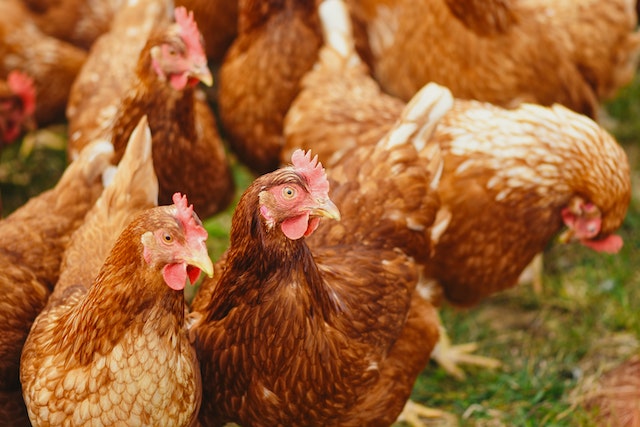
Photo by Alexas Fotos on Pexels: https://www.pexels.com/photo/flock-of-hens-on-green-field-2255459/
As with any growing industry, there are both barriers and possibilities to implementing environmental protection in poultry farming. Recognizing these challenges and capitalizing on the opportunities is key to a sustainable future for the industry.
existing challenges
One of the main challenges is the cost of implementing modern environmentally friendly technologies. The initial investment in renewable energy systems, sophisticated equipment and waste management systems can be prohibitive for small-scale and marginal farmers. In addition, knowledge transfer and training is required in the use and maintenance of these systems.
potential opportunity
Despite the challenges, there are also some opportunities. Growing consumer demand for sustainably and ethically produced food is a key driver for the industry to embrace green practices. Furthermore, the use of poultry waste as a resource, such as composting, biofuel or a component in biogas production, may open new avenues for income generation.
government policy support
All over the world, government agencies are promoting sustainable agricultural practices. This is reflected in policies that provide subsidies for renewable energy systems, grants for waste management initiatives, and incentives for sustainable practices.In the United States, the USDA Natural Resources Conservation Service offers various programs Support farmers to implement conservation measures. Likewise, in Europe, Common Agricultural Policy (CAP) Provide funding to farmers who adopt or maintain sustainable practices.
Understanding these challenges and opportunities is critical to developing strategies to promote the wider adoption of sustainable practices in poultry farming and to realize its strong potential as a force for environmental conservation.
final thoughts
The environmental journey of modern poultry farming is an impressive and necessary direction for sustainable farming. By combining innovation with responsibility, the industry is redefining its operations as a model that balances productivity with ecological care.
The evolution from traditional practices to environmentally friendly technologies has resulted in remarkable advances in waste management, energy consumption, water use, biodiversity conservation and animal welfare. These coordinated initiatives reduce carbon footprints, slow soil degradation, conserve natural resources, and promote sustainable practices.
Despite challenges, notably the need for capital investment and knowledge transfer, opportunities abound. Consumer awareness and demand for sustainable products, potential revenue from waste diversion, and government support create a bright future for environmental protection in the poultry farming industry.
As we progress, farmers, consumers, policy makers and everyone involved in the food production line must encourage and support these sustainable practices. More importantly, we should strive to continuously adapt, innovate, and strive to advance the future we all aspire to, where human nutrition and protection of our environment go hand in hand.

