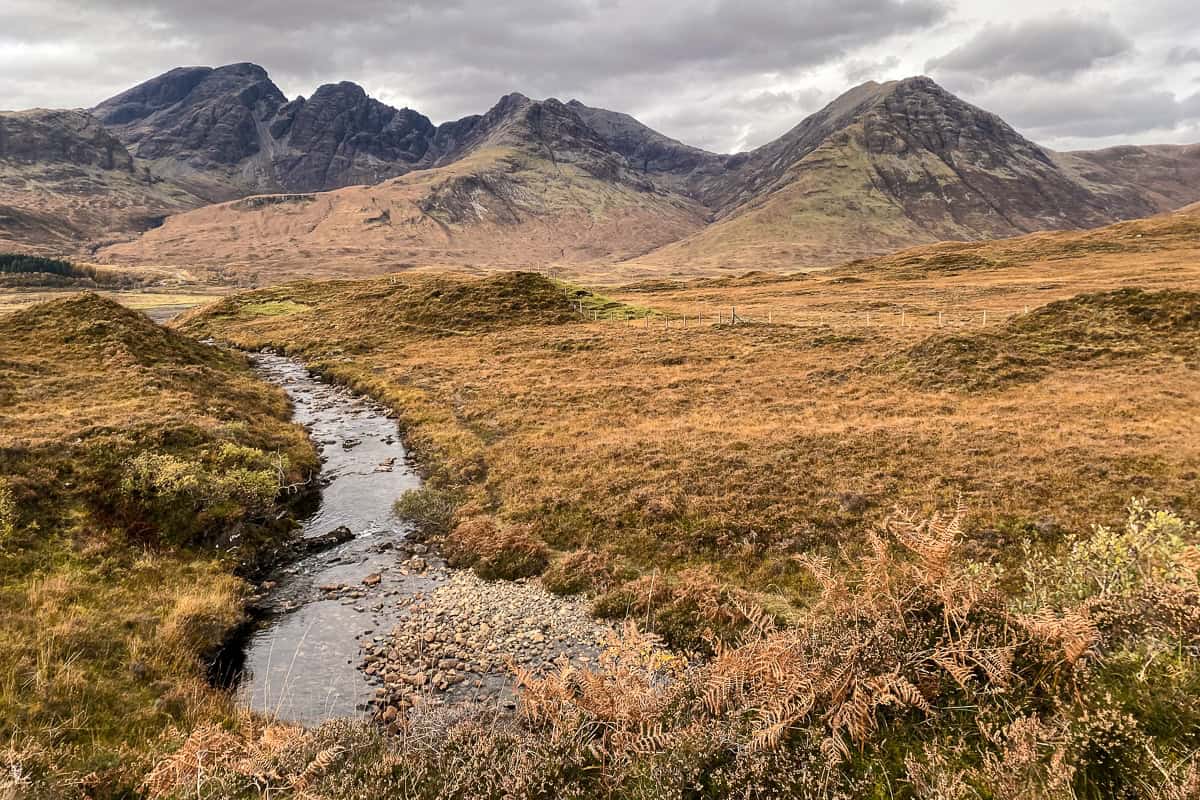
Since we moved to Skye I’ve been getting a lot of inquiries about how to move to Skye!
Moving to Skye is a decision and process that is unique to everyone (including us), but I decided to write down the most common steps and what to expect if you want to move on your own.
It's important to note that although Isle of Skye is one of the larger Scottish islands, it's a very small space in the grand scheme of the UK; of course, it's not possible for everyone who wants to move here to do so, I Not that everyone should do this.
But if people are sincerely looking for information about moving here, then I'd be happy to share more information on “how” to do so. Although this is a small community, there are definitely many opportunities for those who can take advantage of them and benefit the community.
As I said in my post Why we moved to Skye, you won’t know until you try! So if everything goes well and you get the chance, why not try it?
Visa Requirements – Do you have the right to work?
This doesn't apply to everyone, so if you already have the right to work in the UK, feel free to skip it!
There is no such thing as a “Scottish visa”. As part of the UK, visas are controlled by the UK government (Westminster), so conditions are not necessarily suitable for all countries within the UK, but that's a topic for another time…
As a New Zealander, I originally moved to the UK on a working holiday visa and lived in Edinburgh for two years. I couldn't get sponsored through work, so when my visa expired, I left the country. I ended up coming back on a fiancé visa, and then on a spousal visa.
In 2022, I took the Living in the UK test and was granted PR (permanent residency) and finally became a British citizen in 2023!
This process took about 5 and a half years, not counting my first two years of working leave, so in total I spent almost 8 years in the UK before I became a citizen. The process is long and expensive, and it's only going to get more so.
I don't say this to discourage people, just to give you an idea of the reality of moving to Scotland if you don't have citizenship.
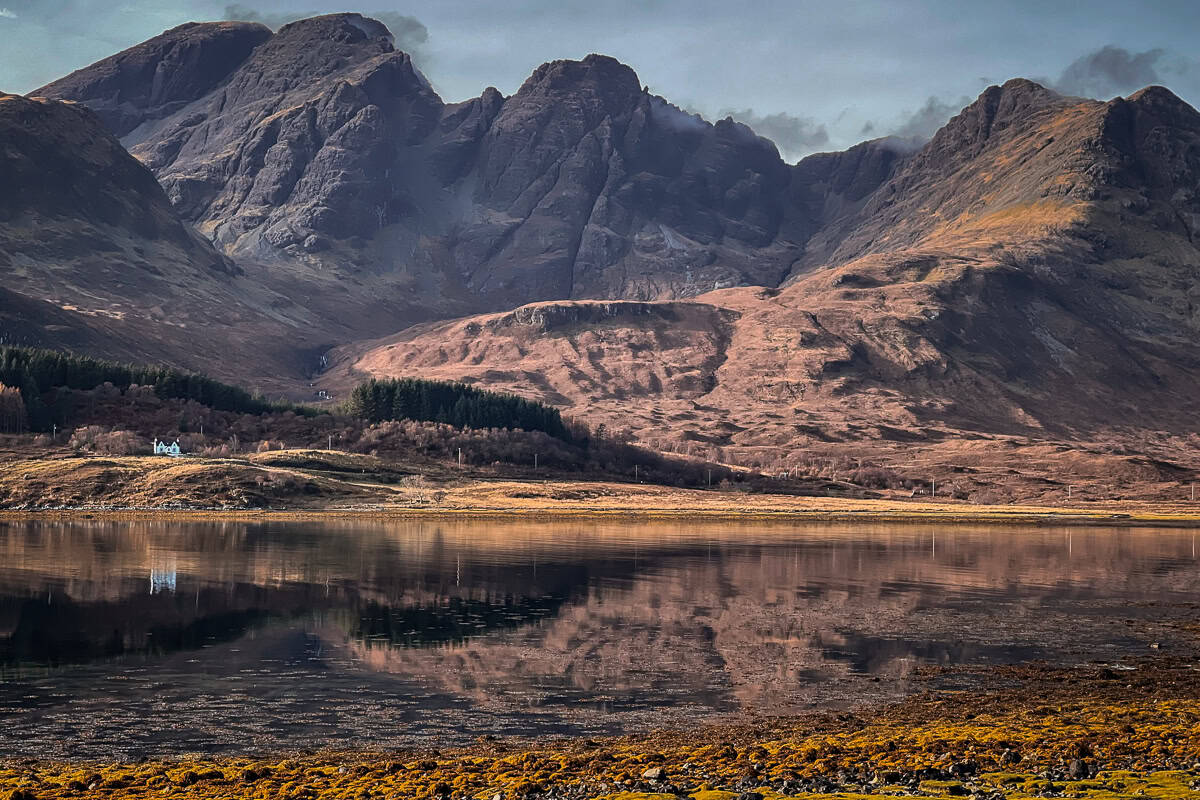
Youth Mobility Visa
If you are under 30 and coming from certain countries (ie New Zealand, Australia, Canada, Monaco, Iceland and San Marino) you can apply to work in the UK for two years on a working holiday visa called a Tier 5 Youth Mobility Visa Years, as long as you meet other conditions such as having sufficient funds in the bank.
This means you can come and work in Scotland and the Isle of Skye. There are a lot of seasonal jobs here, especially from late March to October, so working here and then doing some traveling during the off-season months would be a great way to do it.
descent visa
This is the visa I hope to get! You need to be from a Commonwealth country (sorry, US citizen), intend to find work and most importantly have a grandparent who was born in the UK. My great-grandparents were born here but moved to New Zealand before my grandfather was born. This is a 5-year visa, which means that if you meet the requirements, you will have the ability to obtain permanent residence directly.
Skilled Worker Visa
If you have no family ties in the UK or are over 30 years old, this is the most likely way to obtain a UK visa. But even so, it's not as easy as it sounds.
Firstly, companies must have a valid sponsorship license, which means they can sponsor workers from outside the UK.
The job must then be on the eligible occupation list. This has certainly changed but currently includes a variety of senior positions such as company directors and managers, scientists, engineers, doctors and medical staff, certain teaching positions, accountants, architects, social workers, trade workers, chefs… …To be honest, the list looks pretty good and broad, as long as you have a “skilled” job.
However, the position requires a certain salary level, which excludes many cases where the salary for out-of-town positions can be lower, unless the position is on the shortage list, then it can be 80% of the expected salary, and that's fine. Education or healthcare positions are slightly different.
Obtaining a visa depends largely on your own skills and the employer's willingness to complete the process of sponsoring you. You are also connected to that employer unless you want to go through the process again with another employer. Once you have worked here for 5 years and meet the criteria, you can apply for permanent residence.
The problem for Skye is that there aren’t many big employers, so the chances of getting sponsorships are naturally low. It's not impossible, especially if you're in the healthcare industry, as there is always a need for health workers and there are hospitals here.
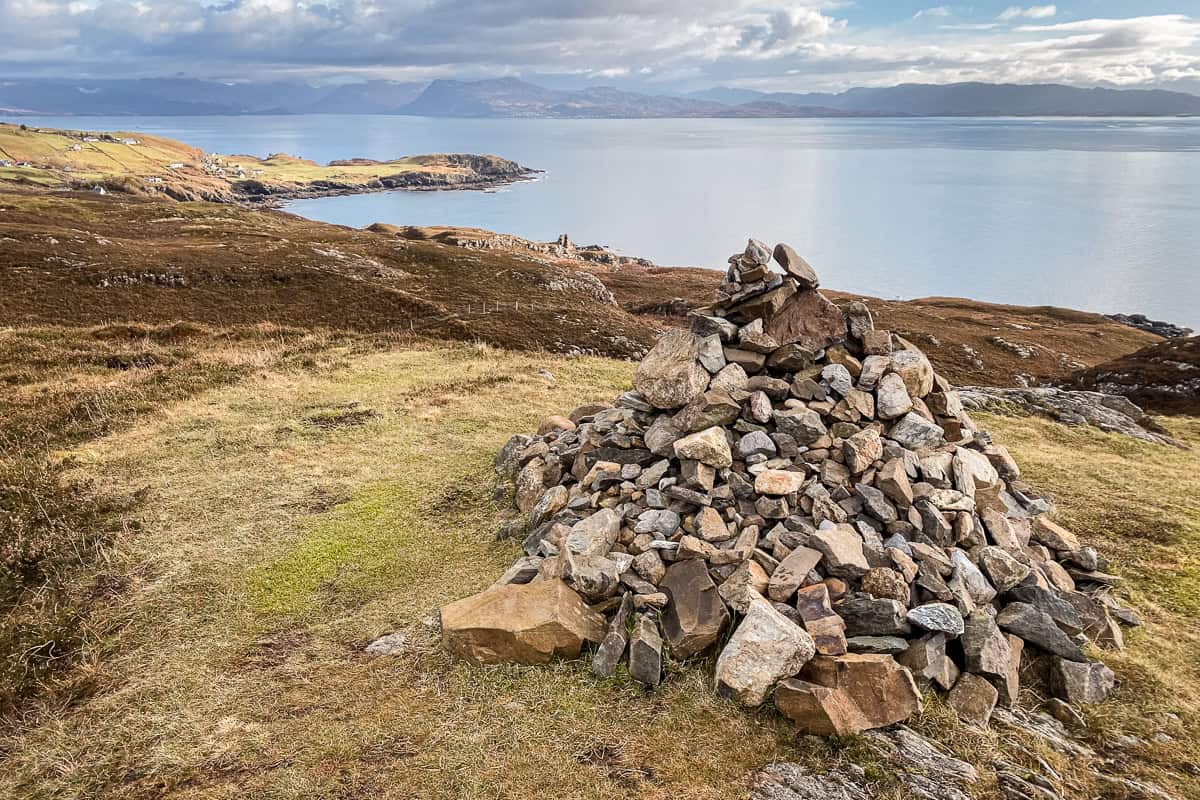
Find a job in Isle of Skye
There are a few things to know about working on the Isle of Skye.
The main industries are tourism, fishery, forestry, and planting (agriculture). There are not necessarily many big employers among them.
The public sector is the largest employer in terms of health and education and the management of these services, so there is always the possibility of work.
Tourism dominates the private sector, but that also means there are many small businesses. There are some larger hotels and tourist attractions, but many jobs are also seasonal.
Many people are self-employed or run their own small businesses because they have the opportunity to do so.
I would say if you have any type of trade then I suspect you will be short of work as it is notoriously difficult to find people to do housework!
You should be prepared to work seasonal jobs and be able to supplement your winter income in different ways. Many people do many things for this reason.
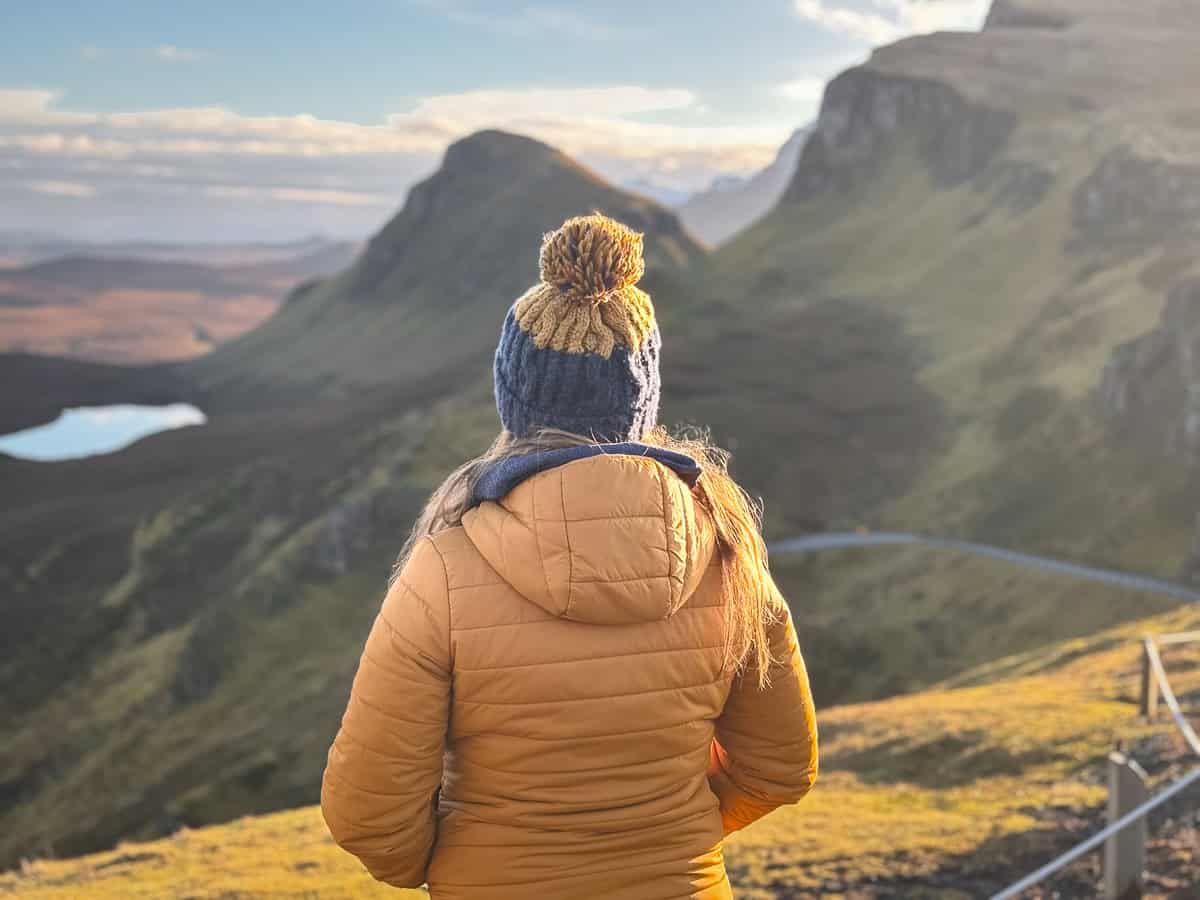
Find accommodation
If you have the right to work here, or even have a job or an idea of what you can do, the biggest obstacle faced by most people looking to move to Skye is housing.
There is a distinct lack of rental industry on the Isle of Skye. People tend to own their own homes and if you want to move here you need to seriously consider buying. This is because homes are often used as vacation rentals rather than long-term rentals, which can generate more income.
There is some help with staff through the NHS and the odd rental service available, but you may need to be flexible with your location.
Most people who move here have to buy, which is certainly not something everyone can do. Even so, home prices can vary greatly depending on location and outlook. Anything by the sea will probably cost more.
The best way is to set alerts on something like Zoopla or Rightmove so you know what's available.
It is possible to buy land and build your own house, something we would never do in the Scottish Midlands. However, you need somewhere to live at the same time, which is why you often see caravans parked next to homes being built!
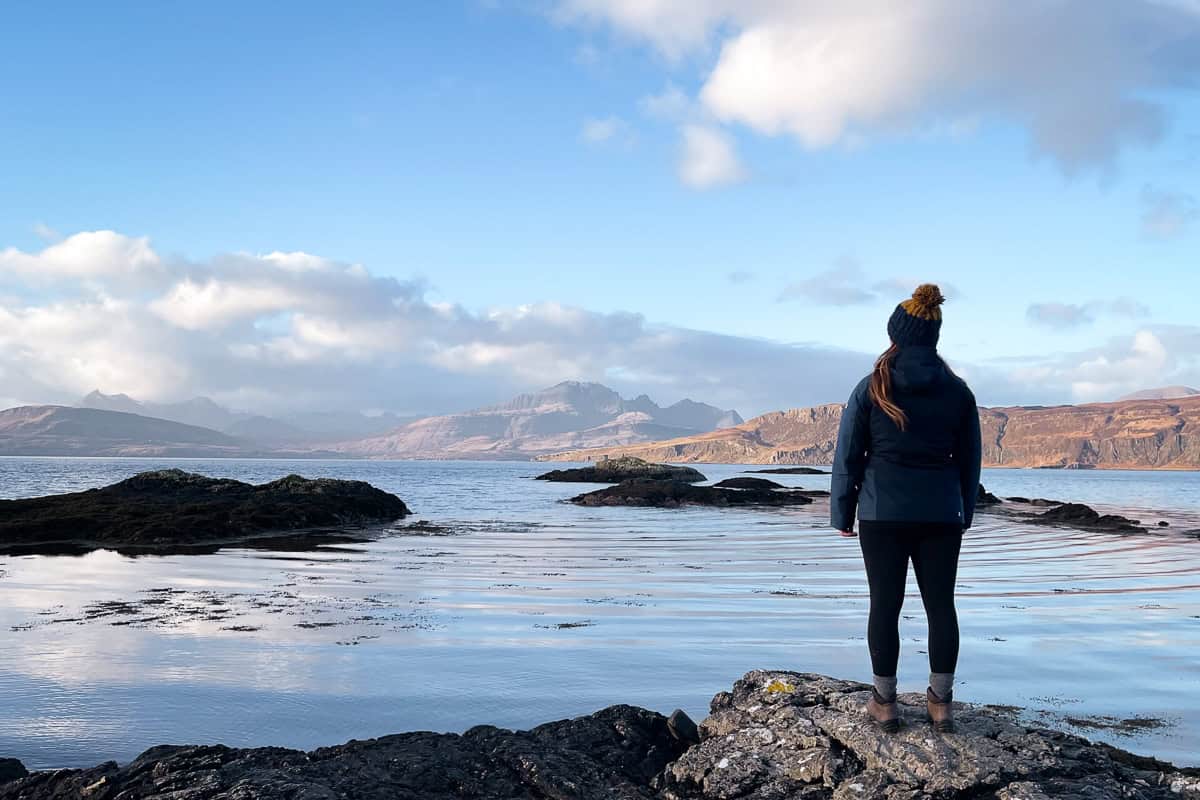
If you're thinking of moving to the Isle of Skye, researching where you might live is one of the biggest questions, and to be honest, probably even more important than where you'll be working.
Isle of Skye Nursery
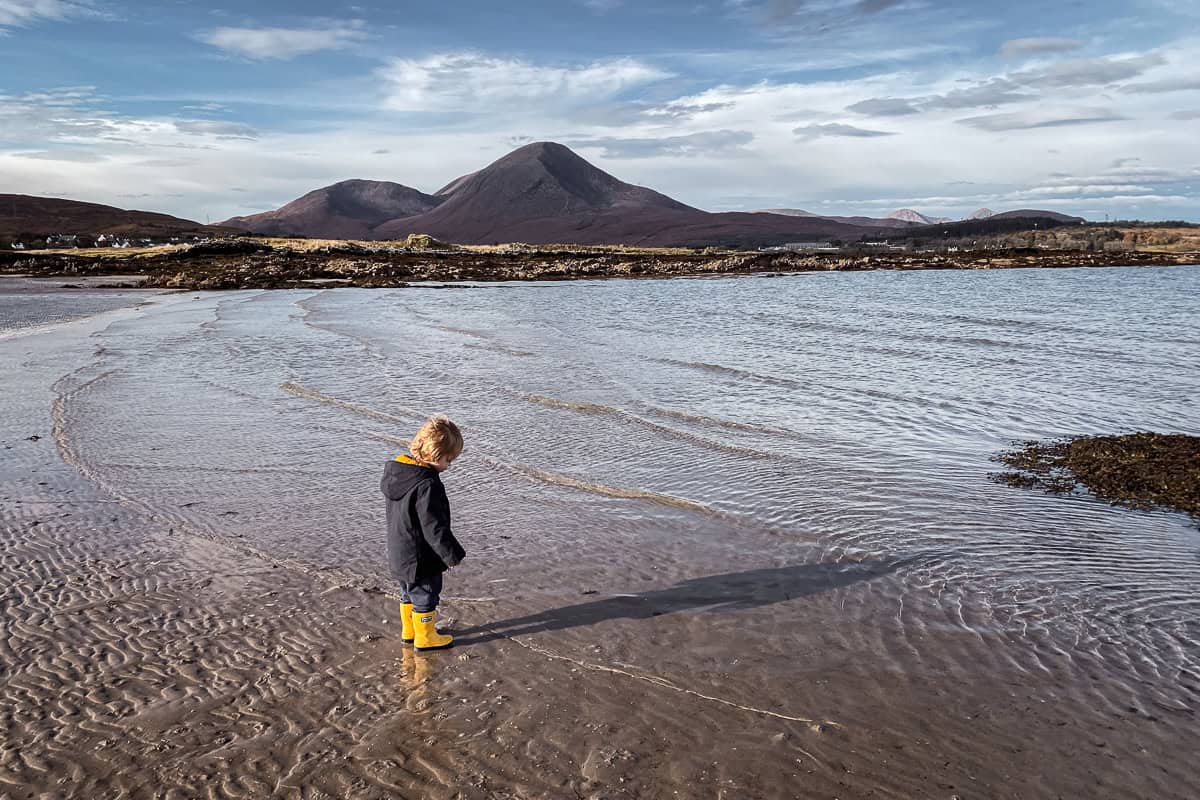
If you have young children, or plan to do so, childcare is a big issue on Skye.
Children are not eligible to start school until they are three years old, with the exact start depending on their birthday and school terms.
Prior to this the only nursery options were the nursery in Portree and a Gaelic medium nursery in Sleet called Fàs Mòr. You'll need to pay for these services, and of course, whether they're a viable option depends on where you live.
Unfortunately, this means that many people have to put their careers on hold to be able to look after their children until they qualify for school nursery, which is not possible for everyone.
Even if you have children in school, there is rarely comprehensive care. This means your working hours may be limited to Monday to Thursday and Friday between 9am and 3.30am. Again, this is not possible for everyone.
Childcare is one of the reasons we see people choosing to move off the island, so it's definitely a consideration for families looking to move here.
weather
I can’t talk about moving to Skye without mentioning the weather.
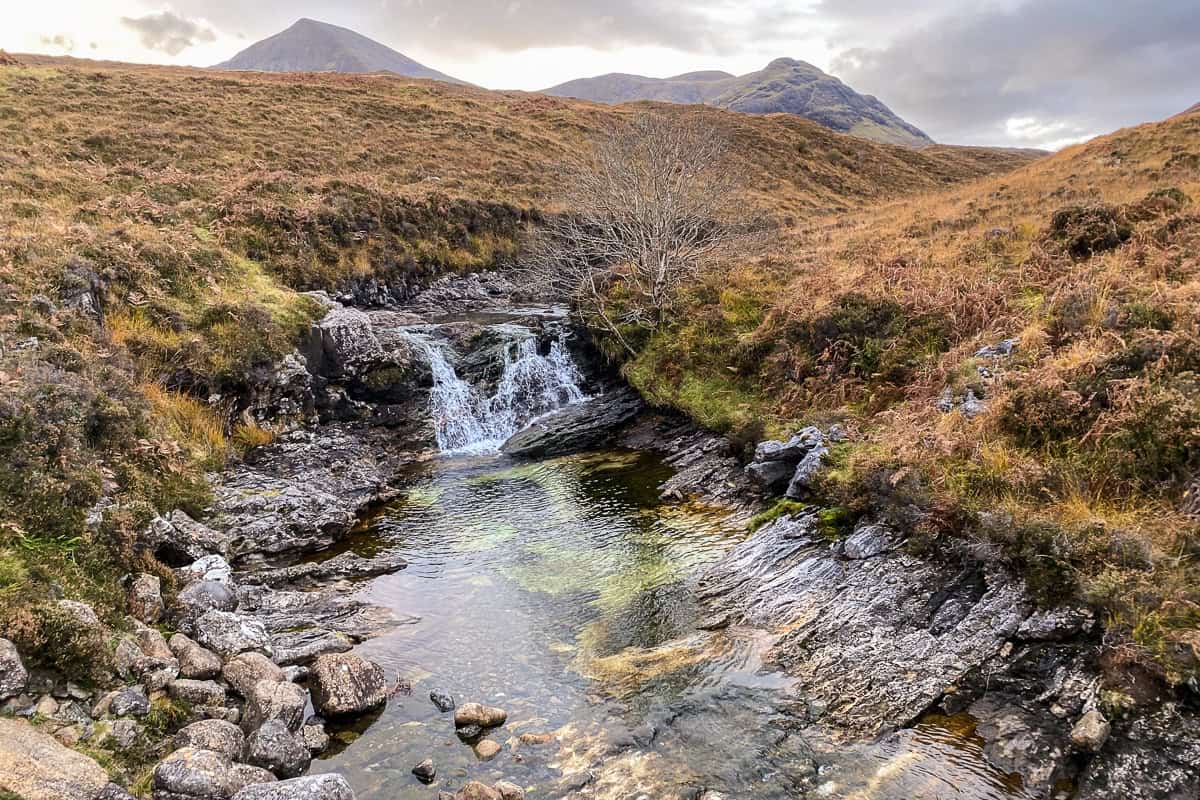
North-west Scotland is generally known for being wetter than the east, and its further northerly location means the daylight hours are also shorter in winter.
People also move away because they no longer want to deal with the Skye winters, so if you want to move to Skye this is something to take seriously.
That’s not to say there’s anything wrong with moving here and giving it a try, but realizing that winter on Skye won’t be the same as your summer trip here is something worth considering. We recommend it if you can come in winter!
We haven't before, but have lived in Scotland for a long time, which means we're at least used to Scottish winters, so it's less of a difference to other places.
There's something to be said for winter, when everything quiets down and there can be some absolutely glorious (but cold) days, but overall, expect to be battered by wind and rain for at least a few months.
Then in the summer the days are longer, the weather is lovely and warmer. But there are dwarfs too.
These tiny flying insects love to bite and are real pests. They circle in swarms and you can be completely covered from head to toe. Thankfully they don't tolerate wind, but if it's a lovely calm day that's exactly what you want to be outside in during the summer, then you may find yourself attacked by a small blight.
Repellents and head nets do help, but they are another thing to know!
Healthcare on Skye
There are approximately five doctors' surgeries and two hospitals on the Isle of Skye, one in Portree and one in Broadford, with accident and emergency facilities.
Despite this, people often have to travel to the mainland for specialist care, often in Inverness.
Dentists are another issue, with Portree currently only having one surgery servicing the entire island and nearby areas.
isolation and opportunity
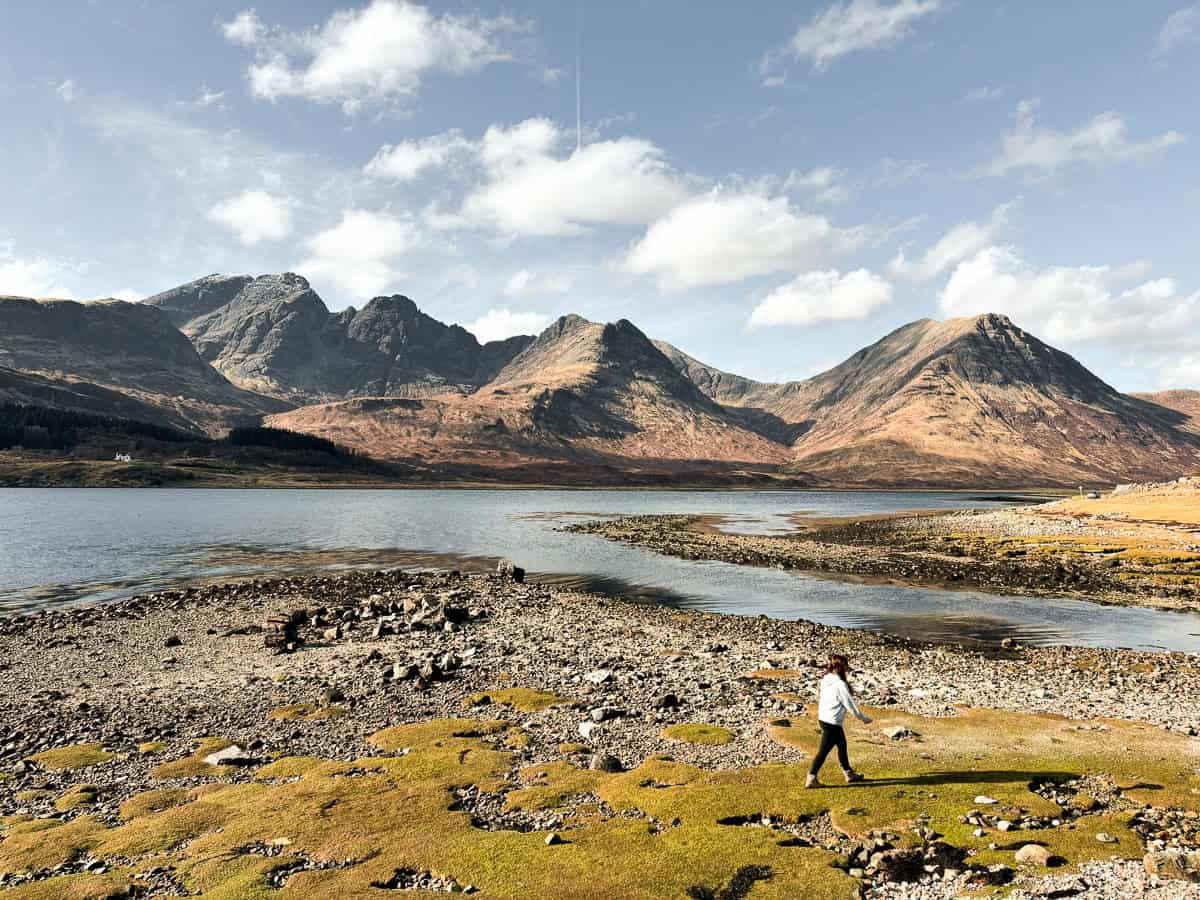
Isle of Skye is about a two-hour drive from either Inverness or Fort William, depending on where on the island you stay.
In terms of transportation, the island is well-connected thanks to the bridge between Kelly King and Kyle of Lochalsh. It also has ferries to Mallaig on the mainland all year round, and an old ferry to Glenelg during the tourist season.
There are plenty of opportunities to start your own business or do something different, as long as you can cope with the island's year-round population peaks and troughs.
If you love the outdoors, of course you'll never be bored!
It’s also a great place for families, with plenty of outdoor activities to do without having to pay for many of them. However, this can be difficult when the weather is bad and there aren't many indoor options to keep the kids entertained.
While there are a variety of sports for kids to take part in, as well as dance and performing arts classes, whether Skye's isolation is a factor really depends on what your family prefers.
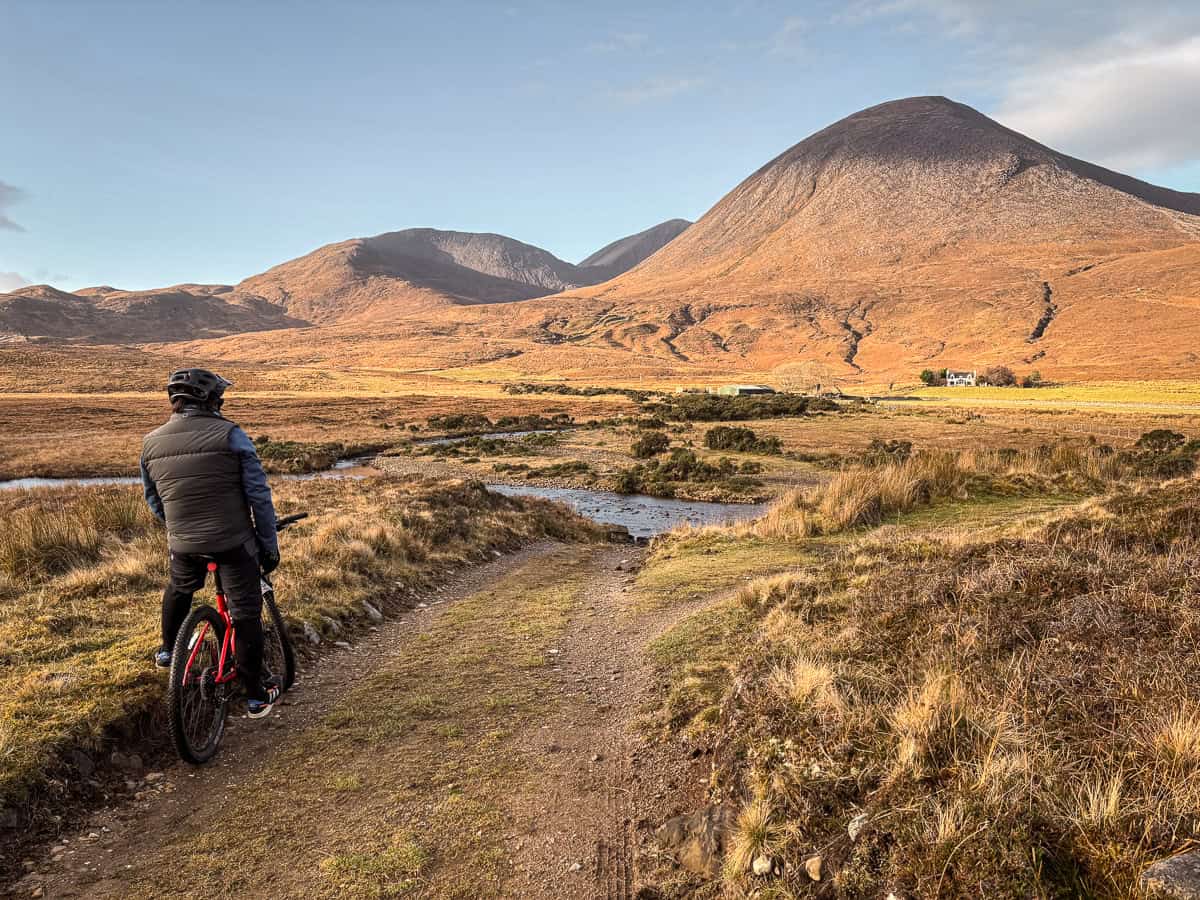
For example, if you like tennis, there are basically no tennis courts on Skye, and mountain biking isn't necessarily that easy, despite what you might think. One often has to travel to Inverness or Fort William to find opportunities that Skye cannot offer, as Skye is quite a distance away.
There is a train service from Lochalsh to Inverness, but it is slow and takes longer than driving. You can catch a bus to Glasgow or Edinburgh, but by train you'll need to catch a train to Inverness and then Edinburgh, or a ferry to Mallaig and then change lines to Glasgow, which isn't fast either.
This was an important consideration for us when we moved to Skye with our young children. Previously, everything in Edinburgh was on our doorstep, with easy access to other nearby locations. While that obviously doesn't stop us, we know we want to give them as many opportunities to grow as possible, so we're going to go to different places to do that.
That’s all I can think of at the moment on the key points to consider when you’re thinking of moving to Skye. If you have any questions, just ask me! ! !
Sonya x