


At the start of the new year, SEO marketers may find themselves reviewing how the SEO discipline has changed over the years.
Of course, SEO has changed in 2021. As in previous years, its development largely reflects changes and updates to Google’s ranking algorithm.
In recent years, many Google updates can be seen as the company’s response to what we call the SE-Only approach. This approach results in content being used only to boost search engine results page (SERP) rankings. In other words, it results in content that is heavier than keywords but lighter than actual information.
Aside from content, there are some important things you should consider when maintaining your content Link Building Strategies up to date. Read on to discover the most common link building mistakes and how to avoid them.
1. Broken Internal Links
Making sure you have a well-organized and crawler-optimized internal site structure is probably the most important thing you can do to ensure your content is found by the right people.
So when it comes to your linking strategy, Prioritize your tasks So dealing with broken internal links is the first thing you need to do. This is because when a crawler encounters a broken link, it must terminate there and cannot continue to access pages that might be linked from the affected pages.
Broken links frustrate visitors and signal to search engines that a site is of low quality, but a recent study by Semrush found that 42.5% of sites were affected by the problem.
If you come across broken internal links on your site, the first thing you should do is to check that the linking URL is correct and change it if necessary. If the webpage returns an error, remove the link to the error page, or preferably replace it with a live link. If you can’t do this for some reason, create a redirect from the broken page.
2. Insufficient or poorly structured internal links
If a page contains content that you want search engines to find, you need search bots called crawlers to index the page. In order for them to be able to do this, it needs to be linked to.
You don’t need to link every page to every other page, but make it clear Interlinked structures and strategies will help crawlers to index your web pages, thereby increasing their search engine visibility.
An XML sitemap is an important tool for helping crawlers navigate and find new pages on your site. A sitemap is a way to show search engines the different pages that exist on your website.
If you are a web developer, implementing CI (Continuous Integration)keep in mind that you need to list every new page in your site directory and adjust your sitemap accordingly.
3. Confused website navigation
If your internal linking structure doesn’t follow a clear and intuitive logic, people won’t find what they’re looking for. The art of creating a clear and effective sitemap is one of the biggest challenges of web design, and it helps people get from A to B within your website.
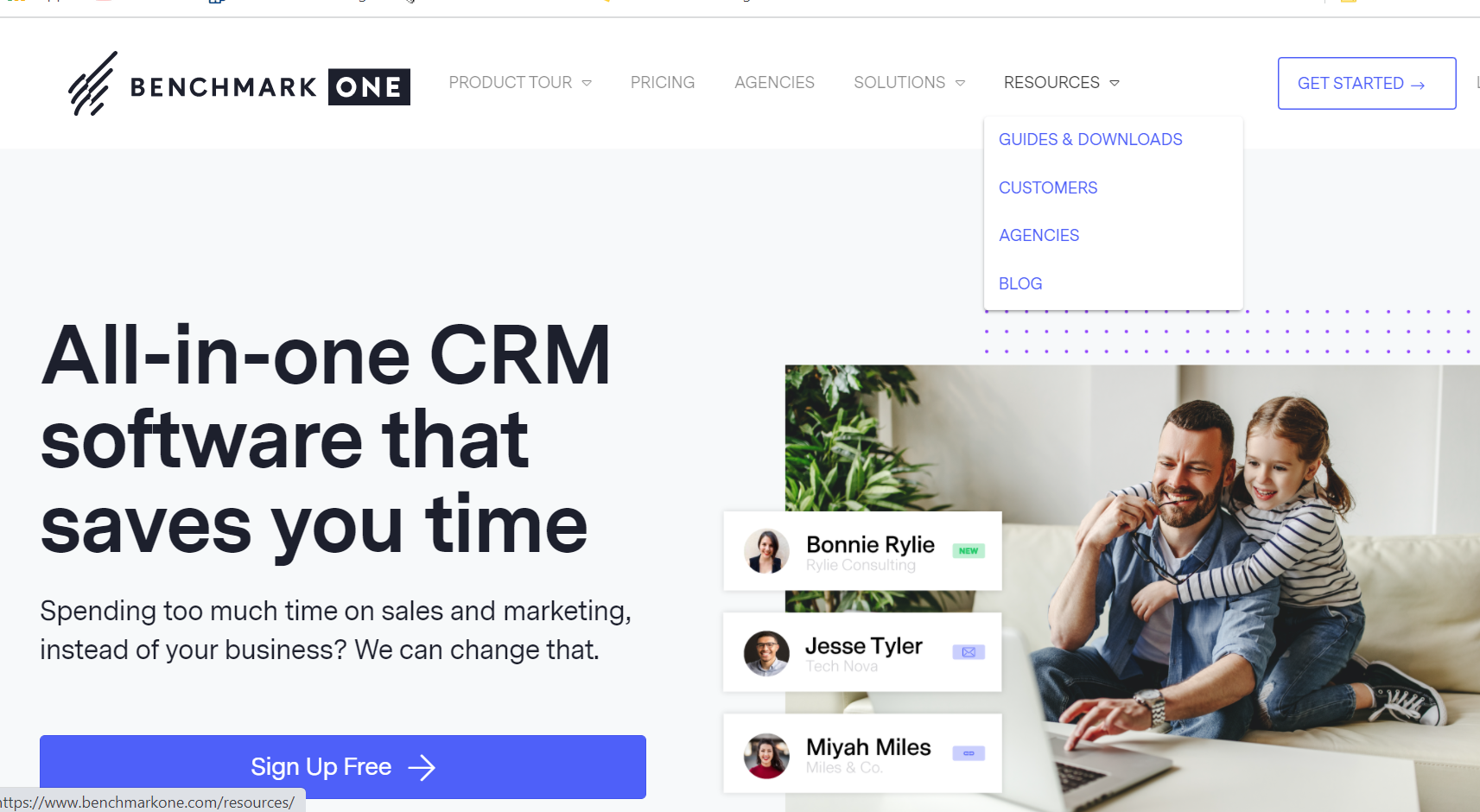
In addition to making sure you take advantage of expandable menu options so that visitors can easily navigate your site, as a navigation best practice, you should also install a search bar in a visible location on every page.
The search bar is especially useful for browsing blogs, which may have hundreds of articles in a given time frame.For example, a blog focused on business technology might contain topics ranging from WFM tool arrive Marketing Automation Trends in CRM comparisons.
With such a wide range of subject groups organized by different people based on their systems, it can be difficult to design intuitive menus. The search bar solves this problem by creating a quick and efficient way for people to find posts on a given topic, thereby reducing bounce rates.
4. Setting the wrong linking strategy for your content type
Many people think of link building as link building, no matter what specific content you are promoting or who makes up your target audience. But that’s simply not true.
For example, consider a recent posts From Google engineers on the Google Search Central blog. This post refers to a 2021 update to how reviews appear in search results. In it, the engineers offer two pieces of advice for product reviewers looking to rank high on the Google SERPs:
- Provide evidence of your experience with the product to reinforce the authenticity of your review.
- Include links to multiple sellers, giving readers the option to buy from merchants of their choice.
As we’ve seen, according to Google’s own recommendations, if product reviewers want to improve their SERP rankings, they should apply a linking strategy built around consumer choice.
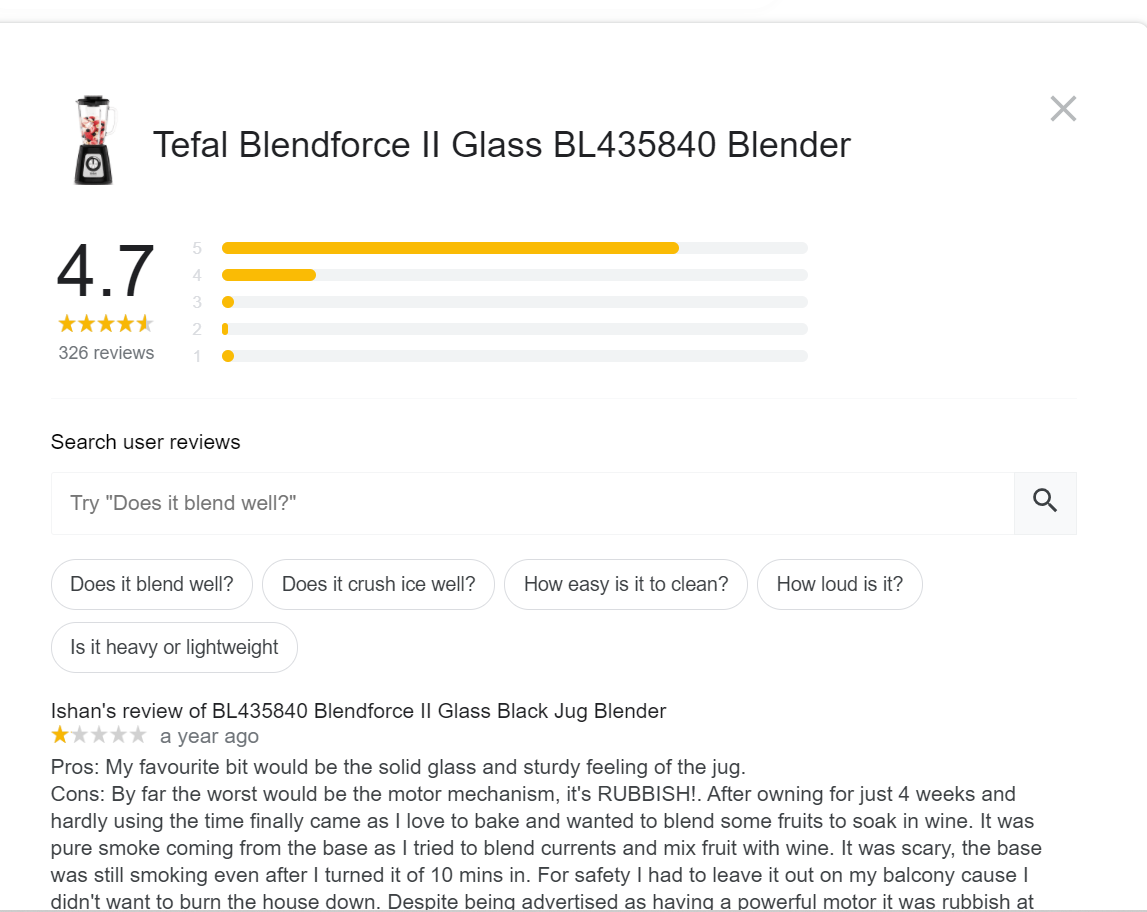
In other cases, linking to multiple sellers may end up Negatively impact your SEO. For example, if you were to write an article claiming to be about free video chat But only link to paid video chat solutions, it may lower your page authority.
5. Redirect loops and chains
Redirects automatically direct traffic from one page to another and can be useful if you have a stopped page that still receives regular visitors.However, poorly organized redirects can seriously hurt your SERP rankings and Create friction in your website’s user experience.
A redirect chain is when one page redirects to another page, which in turn redirects to another page, and so on.
Redirect chains not only make it harder for search bots to crawl and index your site, but they also inhibit the browser’s ability to navigate effectively. Pages that load slowly or even fail to load can be extremely frustrating to visitors.
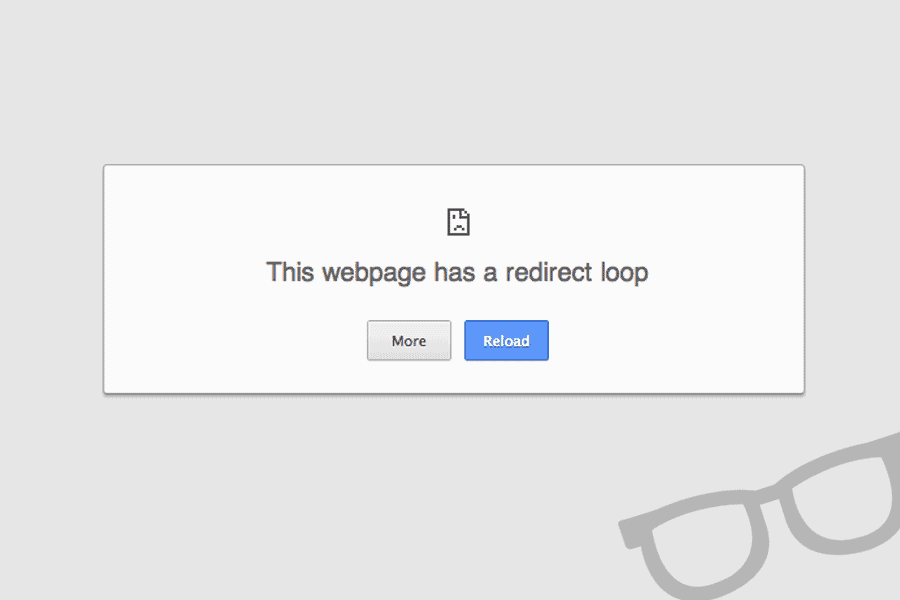
A redirect loop is when a chain of redirects loops on itself, creating an unbreakable loop. Search engines hate redirect loops, but they are a surprisingly common link building mistake.
Redirect issues most often arise when it comes to external web pages. For internal pages, chains and loops are often the result of previous migrations of the site.
For external links, make sure that your inbound or Outbound Lead Generation Strategies Proper coordination with your backlink partners. Avoid internal redirect chains and loops by checking all redirects and making sure they link directly to the correct target page.
6. Break the three-key rule
The three-click rule is a principle often applied in web design, which states that a visitor to a website should be able to find any information in no more than three mouse clicks.
The three-click rule is based on the idea that if users can’t easily find what they’re looking for, they’ll get frustrated and leave the site.
you went through all the hard work Create quality content optimized for search results and build backlinks so that Increase referral traffic. But all this work is wasted if poor website navigation design means that visitors leave without finding what they were looking for.
While some web designers insist that the three-click rule should apply to the path between any two pages, others say it only applies to the number of clicks required to access content from the home page. However, you choose to count, keep in mind that the three-click rule is more of a guideline than a strict rule, and usability doesn’t boil down to a specific number of clicks.
To check if your site adheres to the three-click rule, make a list of what your visitors are most likely to look for and try navigating there from your homepage.
If you find that pages frequently violate the three-click rule, it’s time to re-evaluate your site navigation. Ask yourself if you’re using categories and subcategories effectively to organize your menus, or if you’re using non-click navigation options like expandable menus.
7. Accumulating Toxic Backlinks
As more and more Digitization of business communications, it is difficult to keep track of which sites are backlinking to your site. To make matters worse, advances in automation and the simple programmability of modern bots mean that your website can be unwittingly the subject of spam campaigns.
We call these unwanted backlinks toxic because:
- Links from low authority or known spam sites can be bad for your SEO
- Nothing drives people away from your brand like they arrive on your website via spam links.
The best way to remove toxic backlinks is to use one of the SEO software tools designed for the job.
Backlink Analysis Tool allows you to view and analyze all the backlinks to your website. Once you’ve identified toxic backlinks, all that’s left to do is to disavow those links on Google. Disavowing a link involves creating a disavow file that tells Google which links you think are illegal and don’t want to be associated with your site.
As SEO evolves to reflect changes in search algorithms and how people search, the art of link building inevitably changes as well.
If you want your content to be successful in 2022 and beyond, stay up to date on SEO best practices and avoid these common link building mistakes.
About the Author
Jessica Day is Senior Director of Marketing Strategy at Dialpad, a modern business communications platform and leading Alternative to Bitrix24 This takes every conversation to the next level – turning conversations into opportunities. Jessica is an expert in executing and optimizing marketing efforts for corporate and client campaigns, working with multifunctional teams.this is her LinkedIn.


