



Is it possible for two titans from the same nation to vie tirelessly, each fueling the other's quest for automotive supremacy? The saga of Honda versus Nissan is a riveting study of competition reshaping industries and driving innovations. With origins tracing back to the mid-20th century, this historic rivalry has seen both companies rise to global prominence through strategic ingenuity and perseverance. From Honda's leap from motorcycles to cars, to Nissan’s strategic partnerships averting financial troubles, the Honda-Nissan story is an intriguing narrative of growth, rivalry, and change in the automotive world.
Tracing the Histories of Honda and Nissan
Honda's journey began in 1948 when it was established as a motorcycle manufacturer. During its early years, the company focused on creating reliable and efficient two-wheelers, which quickly gained popularity. By the 1960s, Honda transitioned into the automotive sector, marking its foray into car manufacturing. This move set the stage for its expansion into global markets, where Honda became renowned for its engineering prowess and fuel-efficient vehicles. The company's dedication to innovation and quality helped it to establish a strong presence in various automotive segments worldwide.
Nissan's origins can be traced back to 1933, with the formation of Jidosha Seizo Co., Ltd., which later became Nissan Motor Co., Ltd. The brand gained significant recognition through the Datsun name, under which it produced affordable and durable vehicles that resonated with consumers globally. Facing financial difficulties in the late 1990s, Nissan formed the Renault-Nissan Alliance in 1999, a strategic partnership that helped the company avert bankruptcy and redefine its market position. This alliance enabled Nissan to leverage shared resources and technologies, facilitating its recovery and growth as a major player in the automotive industry.
Key Milestones:
Honda:
- 1948: Founded as a motorcycle manufacturer.
- 1960s: Transitioned to car manufacturing.
- 1972: Launched the Honda Civic, a global hit.
- 1986: Introduced the Acura brand in North America.
- 1999: Produced the first hybrid car, the Honda Insight.
Nissan:
- 1933: Founded as Jidosha Seizo Co., Ltd.
- 1934: Transitioned to Nissan Motor Co., Ltd.
- 1958: Entered the U.S. market with Datsun vehicles.
- 1983: Phased out the Datsun brand to focus on Nissan.
- 1999: Formed the Renault-Nissan Alliance to recover from financial difficulties.
Rivalry in the Automotive Industry: Honda vs Nissan
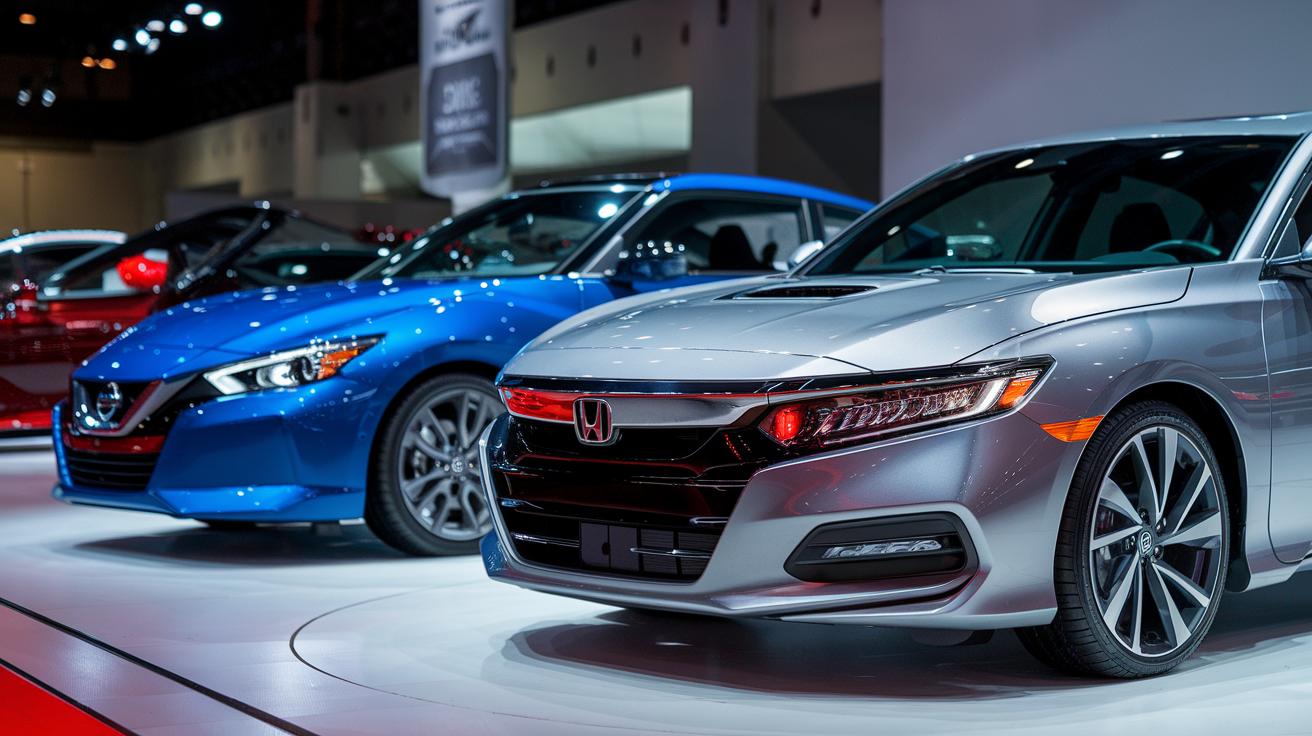
Honda and Nissan, two titans of the Japanese automotive industry, have long competed across various market segments. Both companies offer a range of vehicles, from sedans and SUVs to electric vehicles (EVs). Honda is particularly known for its emphasis on efficiency and reliability, often appealing to consumers seeking practical and economical choices. In contrast, Nissan enjoys a broader global presence, offering a diverse lineup that includes performance-oriented models and innovative EVs. This rivalry is evident in their continuous efforts to capture market share in key automotive sectors, each leveraging their unique strengths to appeal to different consumer preferences.
Technological advancements have been a critical battlefield in the Honda vs Nissan rivalry. Honda is celebrated for its engineering strengths, particularly in fuel efficiency and hybrid technology. Models like the Honda Insight have set benchmarks in the industry. Meanwhile, Nissan has made significant strides in electric vehicle technology, with the Nissan LEAF becoming one of the best-selling electric cars globally. Both companies invest heavily in research and development to push the boundaries of automotive technology, ensuring they remain competitive in an industry that increasingly values innovation and environmental sustainability.
Consumer perception plays a vital role in shaping the rivalry between these brands. Honda is often perceived as a manufacturer of reliable and efficient vehicles, fostering strong brand loyalty among consumers who prioritize longevity and lower maintenance costs. Nissan, on the other hand, attracts buyers with its wide range of vehicles and strong global presence, offering a mix of affordability and technological flair. Both companies have cultivated distinct brand identities that resonate with different segments of the automotive market, further fueling their competitive dynamic.
| Aspect | Honda | Nissan |
|---|---|---|
| Market Segments | Sedans, SUVs, EVs | Sedans, SUVs, EVs |
| Technological Advances | Fuel efficiency, hybrid technology | Electric vehicle technology |
| Consumer Perception | Efficiency, reliability | Global presence, innovation |
| Brand Loyalty | Strong | Moderate |
Innovations and Technological Advancements
Honda's engineering achievements primarily revolve around fuel efficiency and innovative designs. A leader in hybrid technology, Honda introduced the Insight in 1999, one of the first mass-produced hybrid cars, demonstrating its commitment to sustainability. Additionally, Honda's VTEC (Variable Valve Timing and Lift Electronic Control) system revolutionized engine performance, allowing for both power and efficiency. The company's continuous focus on improving internal combustion engines has set benchmarks in fuel economy, underscoring Honda's dedication to reducing environmental impact while maintaining performance.
Nissan has made significant strides in the realm of electric vehicles (EVs), shaping future automotive standards. The Nissan LEAF, launched in 2010, stands as a testament to the company's pioneering role in the EV market, becoming one of the world's best-selling electric cars. Nissan's development of the e-Pedal technology further exemplifies its commitment to innovation, enabling drivers to accelerate and brake using a single pedal, enhancing driving efficiency and safety. Through initiatives like these, Nissan has positioned itself at the forefront of electric mobility, influencing industry trends and consumer expectations towards a more sustainable future.
Key Innovations:
Honda:
- Insight hybrid vehicle introduction in 1999
- VTEC engine technology
- Advanced fuel-efficient internal combustion engines
Nissan:
- Launch of the Nissan LEAF electric vehicle
- Development of e-Pedal technology
- Significant contributions to EV market standards
Market Competition and Strategies
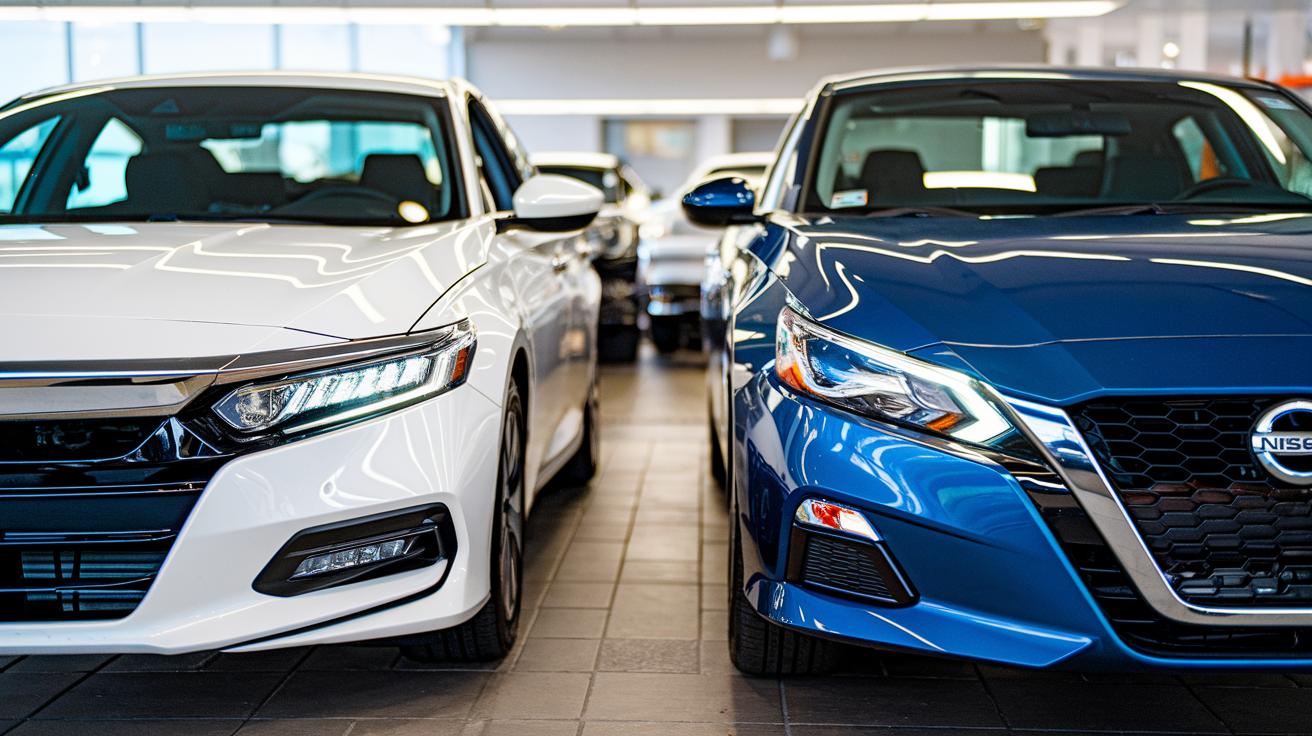
Honda and Nissan employ competitive pricing strategies to strengthen their market positions. These approaches allow both companies to appeal to a broad range of consumers, making their vehicles accessible to a wider audience. Competitive pricing is particularly crucial in the saturated automotive markets of Asia, North America, and Europe, where price sensitivity often dictates purchasing decisions. By effectively managing production costs and optimizing supply chains, Honda and Nissan can offer attractive pricing without compromising on quality, thereby maintaining a competitive edge in a fiercely contested industry.
Market share analysis reveals distinct strategies in how Honda and Nissan position their brands. Honda has cultivated a reputation for quality and reliability, often focusing on long-term value and customer satisfaction. This approach has fostered strong brand loyalty, especially in markets like North America, where consumers prioritize durability and resale value. Conversely, Nissan leverages its extensive lineup to capture a diverse customer base, including segments interested in innovation and technology-driven vehicles. This broadened appeal allows Nissan to maintain a significant presence in emerging markets, where versatility and adaptability are key drivers for growth.
The product lineups of Honda and Nissan reflect their strategic focus on catering to varied consumer needs. Honda's portfolio emphasizes fuel-efficient sedans, robust SUVs, and pioneering hybrid models, appealing to environmentally conscious and cost-aware buyers. Nissan, with its wide array of vehicles, offers everything from compact cars to electric vehicles and performance models, such as the GT-R. This diverse catalogue enables Nissan to address multiple market segments, from budget shoppers to tech-savvy consumers seeking cutting-edge driving experiences.
Strategies to Enhance Market Competition:
- Implementation of competitive pricing models.
- Focus on brand reputation and quality assurance.
- Development of diverse product lines to meet consumer preferences.
- Investment in innovation and technology for market differentiation.
- Expansion into emerging markets to capture new customer bases.
The Future of Honda and Nissan in the Automotive Landscape
As the automotive industry pivots towards sustainability, Honda and Nissan are at the forefront of integrating hybrid and electric technologies into their offerings. How are they adapting to this shift? Honda has been enhancing its hybrid technology, focusing on improving fuel efficiency and reducing emissions. Meanwhile, Nissan continues to innovate in the electric vehicle sphere, having already established a strong presence with its LEAF model. These strategies reflect both manufacturers' commitment to addressing environmental concerns and staying competitive in a market increasingly driven by eco-friendly demands.
What challenges and opportunities do Honda and Nissan face in the evolving automotive landscape? Government regulations mandating lower emissions and greater fuel efficiency pose significant challenges. However, they also present opportunities for growth through innovation and market differentiation. Consumer demand for sustainable vehicles is rising, offering Honda and Nissan the chance to capture new customer bases by aligning their product lines with these preferences. By investing in future technologies, both companies are positioned to lead in the transition to a more sustainable automotive industry.
Future Trends Influencing Honda and Nissan's Strategies:
- Increased focus on hybrid and electric vehicle development.
- Expansion of sustainable manufacturing practices.
- Adoption of advanced driver-assistance systems (ADAS).
- Enhancement of connectivity and smart technology in vehicles.
Final Words
In this examination of Honda and Nissan, two automotive giants, the journey from their historical origins to their current rivalry reveals much about the evolving industry. The story of Honda vs Nissan captures their unique paths—Honda's shift from motorcycles to cars and Nissan's strategic alliances like the Renault-Nissan Alliance. Their competition showcases their differing approaches in market segmentation, innovation, and consumer perceptions. As both companies invest in future technologies, their ongoing rivalry promises to shape the future of automotive advancements, demonstrating their resilience and adaptability in a rapidly changing world.
FAQ
Q: Is there a Honda-Nissan merger?
A: There is no current merger between Honda and Nissan. Both companies continue to operate independently in the global automotive market without any official merger or acquisition agreements.
Q: Which is better, Nissan or Honda?
A: Determining if Nissan or Honda is better depends on consumer preferences. Honda is renowned for efficiency and reliability, while Nissan is noted for a broader vehicle range, including electric cars.
Q: Why would Honda buy Nissan?
A: Currently, there is no verified intention from Honda to acquire Nissan. Hypothetically, advantages could include increasing market share and leveraging Nissan's electric vehicle technology.
Q: Do Hondas last longer than Nissans?
A: Honda vehicles generally have a strong reputation for longevity and reliability. However, Nissan also produces durable vehicles, with longevity varying depending on maintenance and model.
Q: Who sells more cars, Nissan or Honda?
A: Honda and Nissan periodically compete for sales volume in various markets. Exact sales figures fluctuate yearly based on model releases, consumer demand, and regional preferences.
Q: What are Honda's key historical milestones?
A: Key milestones for Honda include its 1948 founding, expanding from motorcycles to automobiles in the 1960s, and becoming a global leader in fuel-efficient vehicles and engineering innovations.
Q: What are Nissan's key historical milestones?
A: Nissan's milestones include its 1933 founding, significant growth via the Datsun brand, and the formation of the Renault-Nissan Alliance, which stabilized its financial status in the late 1990s.


