


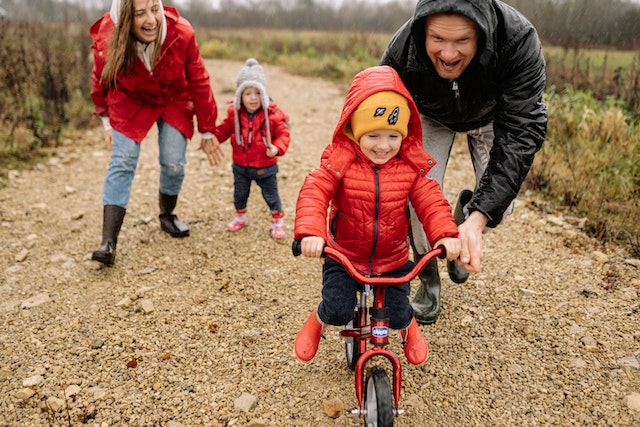
Children are a powerful and inexhaustible source of wonder. They see things in a whole new light and marvel at the everyday things that others have become accustomed to. They also have enormous learning abilities. There’s no reason why they can’t absorb valuable knowledge at a young age, especially when it comes to environmental education, which is more important than ever in today’s world.
The Importance of Helping Children Become Environmentally Conscious
teach children Understanding the environment is essential as they will grow up to be environmentally conscious adults. They can change their own lives, and they can change the world. Teach your child how to help save energy by turning off the lights when leaving the room. These materials can be recycled using reusable water bottles instead of single-use water bottles.
It’s not just about teaching your kids that they need to take care of the planet. It also teaches them how to make small changes throughout the day that affect the entire environment.
Teach your kids about climate change
If you want to teach your children about climate change, it must be shown that it is real and caused by human activity.Description effect climate change Already observed; Droughts, floods, hurricanes and other natural disasters are becoming more frequent. These events can be devastating for people living in areas where they occur frequently.
You should also explain that if you don’t do anything about climate change now, it could have serious consequences for the planet in the future. Rising sea levels, for example, could flood coastal cities, droughts could destroy crops, and ice sheets could melt faster than they can form again.
If your child is old enough to understand these issues, now is a good time to talk about what they can do to help reduce their carbon footprint or make a positive contribution to a greener world. Research shows that climate education can reduce future carbon emissions, which is critical for mitigating climate change.
Encourage your child to learn about the benefits of recycling and reuse
Teach your kids how proud they are by recycling and helping the planet rightly. Most importantly, make them aware of the positive impact that recycling efforts have on the environment.
Your child should understand why it’s important to reuse materials rather than throw them away. Remember, you can always use old clothes and toys at home and at school, so ask your child how to reuse these items instead of throwing them away.
Kid-friendly resources on recycling are readily available online, and it’s a fun way to teach kids about recycling. Children are naturally curious, so they will be interested in learning about how recycling works and how it can help the environment.
There are many websites that offer Children’s recycling information. You can also borrow some great books from your local library or bookstore that will teach your kids about recycling.
Inspire a love of science and nature with age-appropriate activities
Environmental education is a powerful tool for children to learn about the world around them. Through nature and science, children learn about how the environment works, how they can transform their communities, and how to respect the planet.A study published OECD 2020 The social-emotional skills that young children develop have been found to have lasting and significant effects later in life.
By exposing your child to a range of experiences that stimulate their senses and encourage their creativity, intelligence, social skills and confidence, you will help them develop a strong connection to nature that will last a lifetime.
You can start by encouraging your child’s curiosity about everything around you, from the patterns on leaves to how clouds form in the sky, or why rocks look different from each other. Then try some simple experiments at home (like growing plants), or go on a field trip together to see real-world examples of what they’ve learned about the beauty of nature outside the school walls.
Visit the zoo to help your child learn to respect animals and their habitats
Help your child learn to respect animals and their habitats by volunteering or visiting a safari or zoo. A 2021 study shows that a trip to the zoo can help young people develop a sense of connection with nature.
Through volunteer work, children can learn about protecting wildlife and their habitats. They can also learn how to protect animals from predators and poaching, and prevent pollution that can damage animal habitats. This will teach them important lessons about respecting creatures living in diverse environments around the globe.
Develop good habits with your child
You know, just throwing your trash away doesn’t do anyone any good, hopefully you’re feeling good about the smarts of recycling and reusing. But did you also know that wasting food is also a waste? Food waste is a big problem when it comes to litter, especially for kids.
They may be picky eaters and throw away leftovers or leave food in their lunchbox for too long. Teach them good habits from the start, make sure they understand why it’s important not to waste food, and then show them how easy it is to save money, time and water by making the right choices at a young age.
Knowing how much energy to burn on a daily basis may seem like an adult thing, but kids can learn this too. Teach them how much electricity each appliance uses, so they’ll know which appliances are more energy efficient than others. Then teach the kids why it’s important to conserve water. It helps keep the planet healthy.
You can find resources online to help you. For example, the Environmental Protection Agency has a page dedicated to teaching kids the importance of water conservation.
in conclusion
Teaching kids about the environment can be as simple as taking them outside for a walk or teaching them different types of trees and flowers. research shows When children play in nature, they are more likely to develop better physical fitness, motor skills, cognitive learning, and social and emotional development.
You can help your child become a responsible citizen by starting environmental awareness early. Start small, like showing them how to recycle and reduce waste, and build up from there. Children need to understand how their actions affect the environment, so encourage them to think about what they are doing at dinner or bath time.

