


Collecting alone, turning off the lights, walking around on a bicycle… these are small preventive measures and daily behaviors. If they are integrated into people’s daily lives, they can do many things and contribute to the protection of the earth. So here are the green habits that are immediately adopted to help save the planet.
Simple daily actions and ecological measures can also be used when traveling. Each of them can make a difference and contribute to the protection of our planet. Here are 10 green habits that we can develop at home and on vacation:
1. Don’t buy plastic bottles
Plastic bottles are one of the biggest contributors to our mountainous landfill. One million bottles are used every minute, of which only 9% can be recycled. The rest accumulate in our landfills and often end up in the ocean, where, according to experts, there will be more plastic than fish by 2050. Sustainable alternatives It’s a bottle for travel, choose tap water as much as possible (it can be purified through a special filter), prefer glass bottled water.
2. Recycling: one of good green habits
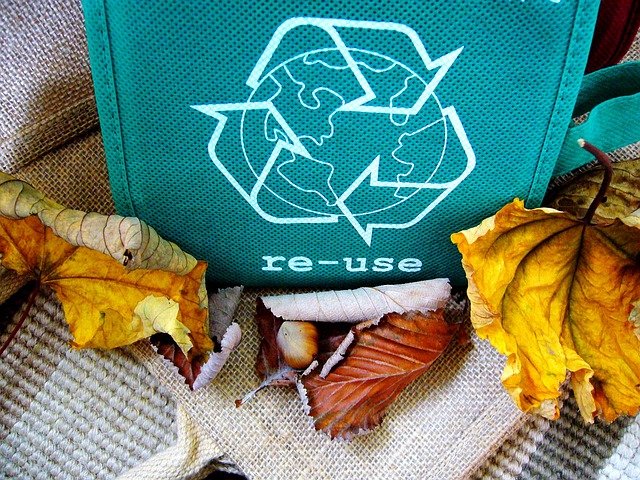
This may seem trivial, but recycling is vital to our environment at home and on the road.Now most cities have recycling system, But if the city you are vacationing in has not yet been recycled… then you can start! Don’t forget to teach it to children.according to British Broadcasting Corporation It is estimated that recycling half of the waste can reduce 150 to 200 kilograms of carbon dioxide and polluting gases emitted into the atmosphere each year.
3. Plant a tree
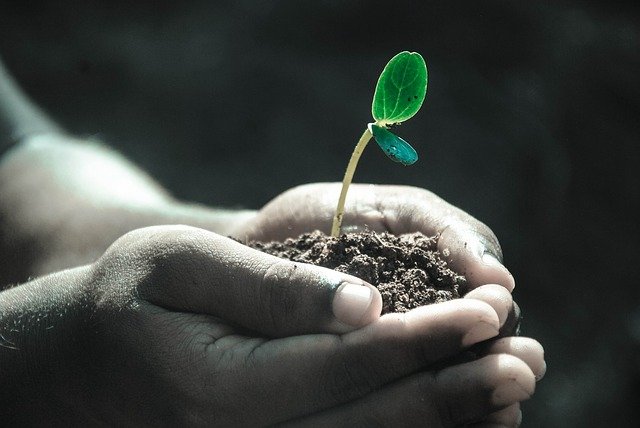
Planting a tree in the garden is one of the best ways to reduce air pollution. Trees absorb carbon dioxide and produce oxygen to improve the air in the city and have a positive impact on our health. The more trees there are, the cleaner the air.
4. Save water
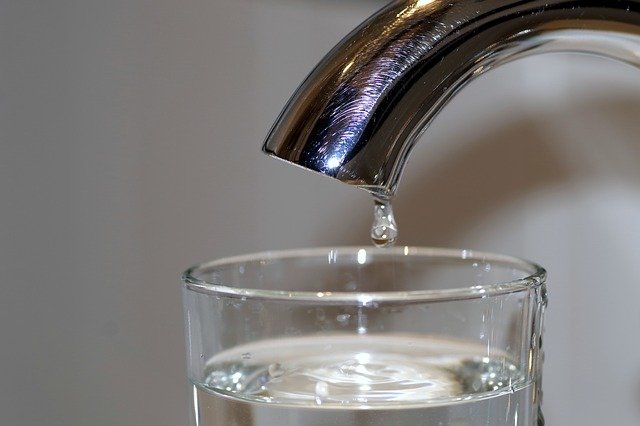
Unfortunately, water is a precious commodity, it is not infinite. Nonetheless, thanks to technology, it can now be purified and reused—not just taking a shorter shower and turning off the tap while we brush our teeth. With some effort, you can take some simple measures to reduce the consumption of this valuable asset.
5. Power saving
Avoid waste and excess Energy consumption, Why not install low-power LED bulbs in your home? A small investment helps protect the planet, which will lower your bills because they consume 75% less energy than normal. In addition, in your home or in an environmentally friendly cabin on vacation, please always remember to turn off the lights and turn off all equipment and electrical appliances when not in use.
6. Committed to self-production

Homemade foods, natural soaps, preserves, jams, moisturizers or herbal teas… l’Self production is one of the fundamental choices for saving money and money Live more sustainably. We only consider the carbon dioxide emissions that we can avoid by giving up driving to the supermarket to find something we can produce ourselves. The product (usually from far away) and preserved packaging avoid the journey. Sometimes, some simple raw materials are enough to produce what we need at home. one example? You can use lemon, vinegar or orange peel to make ecological and natural cleaners.
7. Choose sustainable travel
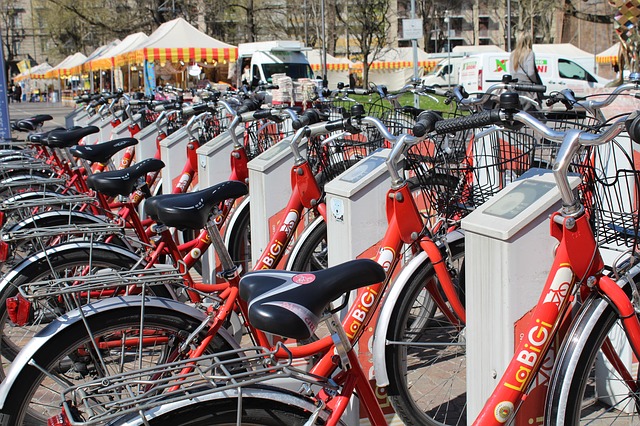
Eliminate your Carbon Footprint Choose trains instead of cars, avoid cruises, and if you can, ride bicycles as much as possible. Of course, it is always better to choose public transportation to avoid further air pollution. But when it is impossible, organize or participate in carpooling! In addition to being more environmentally friendly, your trip will be more interesting and you will have the opportunity to meet new people.
8. Pay attention to consumption.

In Western countries, about 670 million tons of unpackaged food are discarded every year. The per capita annual weight exceeds 95 kilograms. Therefore, it is necessary to learn how to shop, choose the necessary amount of food without being affected by the discount, and avoid waste. It is best not to overfill the refrigerator: a full refrigerator will consume more. Finally, it is important to purchase organic and local products to support a healthy economy and short supply chains.This is also Reduce carbon dioxide emissions Related to the circulation of food. And, if you are lucky enough to have a farmer’s market near your home, please choose it instead of a supermarket!
9. Use second-hand items
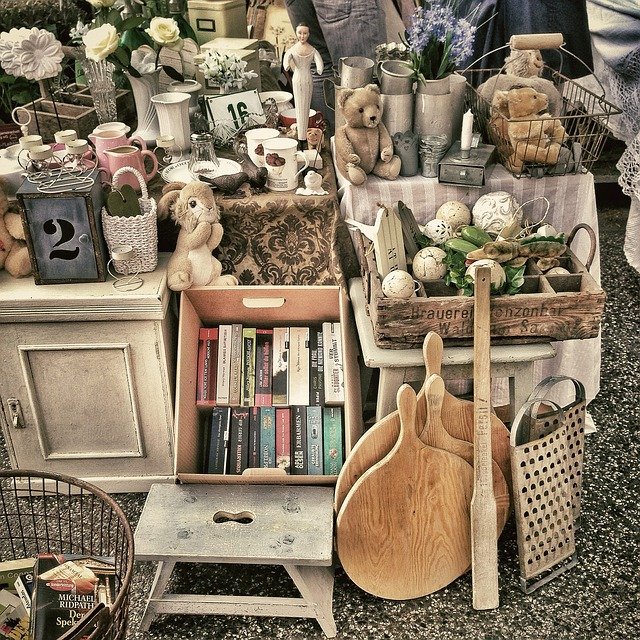
A cell phone, an outdated clothing, coffee grounds, an old bicycle… everything has a second life.
In an increasingly consumerist society: We tend to throw away the broken things immediately, and then immediately buy new products. But what if instead of throwing it away, we fix it by giving it a second life? Fruit and vegetable residues can become compost for the garden. An old cotton T-shirt is a good dust collecting cloth. Don’t forget that many items can be purchased second-hand.
10. Choose washable diapers
Did you know that disposable diapers generate 15% of non-recyclable waste? In addition to being expensive for families (approximately 1,500 euros per child), they can damage the environment and irritate the skin. Therefore, if you have to take care of newborns, the correct solution is to use washable cloth diapers that are environmentally friendly, reusable and do not irritate the baby’s skin.
As the final task, we only need to apply these 10 simple green habits and share our new lifestyle with friends and family to create a more sustainable world!


