


Lavender benefits more aspects of daily life than most of us realize. From easing tension to aiding digestion, here’s why (and how) to grow it at home!
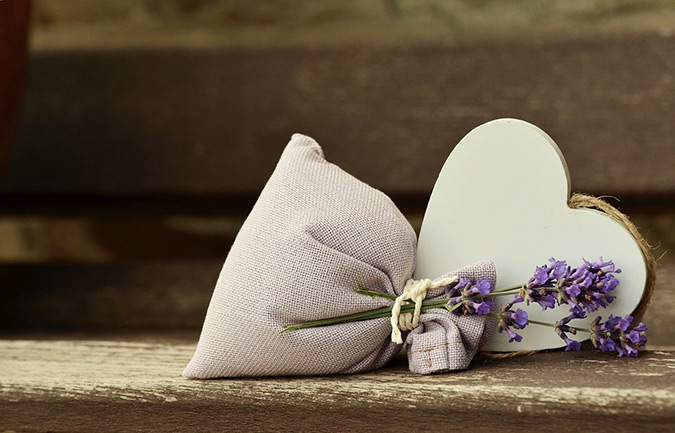
Image by congerdesign from Pixabay
10 Lavender Benefits + How to Grow This Fragrant Friend at Home
Growing lavender is fun and easy and offers a number of health and culinary benefits. Lavender is known for its versatility and numerous uses—especially when it comes to its oils, which are extracted from the flower of the plant through steam distillation.
The flowers of the lavender plant have a soothing fragrance when they are fresh or dried, which is one of the many reasons why they are so popular among those who grow herbs. Lavender is a member of the mint family
You May Also Enjoy:
“For the Love of Mugwort: 7 Mugwort Uses You Need to Know”
The calming scent of lavender makes it a regular ingredient in aromatherapy. Lavender oil combines beautifully with other herbs, such as cedarwood, pine, clary sage, geranium, and nutmeg. You’ll find lavender commonly used in many personal care products, including lotions, gels, and soaps.
It is used in sweet and savory foods as well.
In addition to the calming effect of its aroma, lavender plant benefits are especially abundant in its oil.
10 Benefits of Lavender and Lavender Oils
#1: Bug Repellent

Lavender oil is the perfect natural alternative to harmful bug repellents. The scent of lavender oil is too strong for many types of insects, including mosquitos, midges, and moths.
In addition, if you have already been bitten by a bug, rub a few drops of lavender oil onto your skin. Since lavender oil has anti-inflammatory properties, this should relieve the irritation caused by the bite.
Next time you go out in the woods, keep a bottle of lavender oil in your natural first aid kit.
#2: Insomnia
One in three adults has trouble sleeping, which heavily affects his or her ability to do day-to-day activities. The lack of sleep affects mood and the immune system too.
Prescription drugs that help you sleep can have severe side effects, including addiction.
Lavender benefits sleep without any side effects; a few drops of lavender oil on your pillow or a sachet of lavender under your pillow is all you need to help induce sleep.
#3: Nervous System
Lavender’s soothing aroma is known to calm nerves and reduce anxiety. It helps provide symptom relief of migraines, depression, and emotional stress. The calming fragrance relaxes your nerves while also revitalizing your brain.
Studies found that people suffering from anxiety and stress before an exam had increased mental function after sniffing lavender oil.
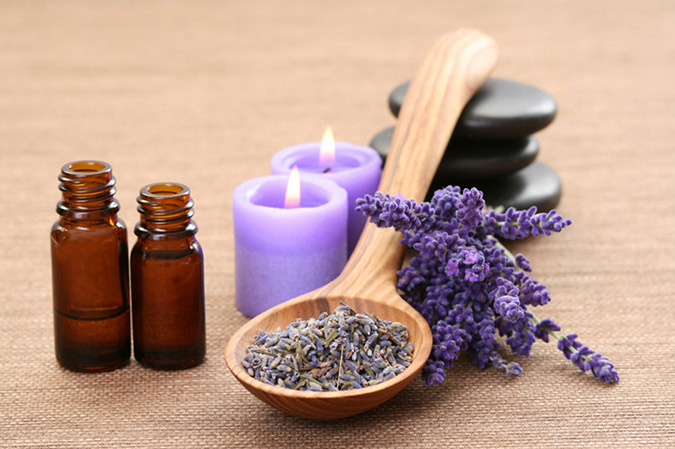
Image by googlerankfaster from Pixabay
#4: Skin Conditions
It is common for people to suffer from acne breakouts during puberty, but some adults also suffer from this bacterial outbreak.
Lavender oil reduces the growth of bacteria that cause infections and regulates the over-secretion of sebum (oil produced by the skin).
In addition, scars left by acne can be reduced by the use of lavender oil. Adding a couple of drops to your moisturizer—or even to some water splashed on your face—should reduce your acne and its scars.
You May Also Enjoy:
“Red Raspberry Leaf: Its Benefits and Uses”
“Oatstraw Benefits: Stress Reliever, Love Potion, Brain Booster, and More”
#5: Immune System
According to the Journal of Medical Microbiology, “lavender shows a potent antifungal effect against strains of fungi responsible for common skin and nail infections.” Lavender has antibacterial and antiviral properties as well, which protect the body from diseases like tuberculosis, typhoid, and diphtheria.
#6: Circulatory System

Image by andreas160578 from Pixabay
Research has found that aromatherapy using lavender promotes blood circulation, lowers elevated blood pressure, and reduces hypertension.
The increased blood flow leads to increased amounts of oxygen in the muscles and the brain. Your skin also glows due to better blood flow, and your body is better protected against heart disease.
#7: Digestive System
Lavender plant uses extend to better digestion as well thanks to lavender oil’s ability to increase the movement of food in the digestive track.
The oil stimulates your intestines and the production of bile and gastric juices. This helps with upset stomach, stomach pain, indigestion, gas, colic, vomiting, and diarrhea.
You May Also Enjoy:
“The 7 Stages of Home Medicine Makers”
#8: Pain Relief
Lavender can also help with sore or tight muscles, joint pain, sprains, backache, and menstrual cramps.
For menstrual cramps, massage a few drops of lavender oil on your lower abdomen and apply a warm towel. Also, applying the oil on the bottom of your feet will help.
#9: Diabetes Treatment
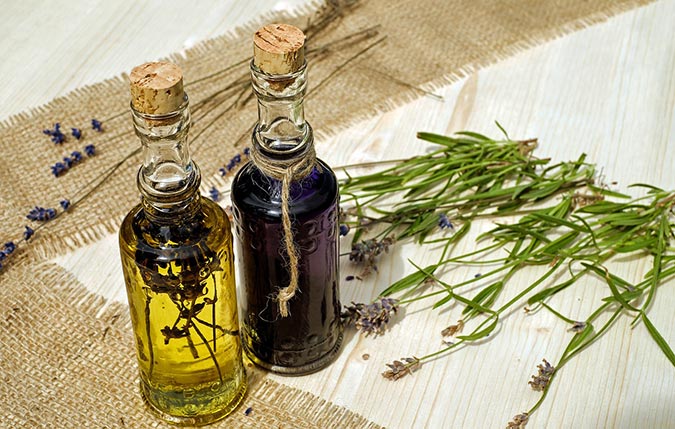
In 2013, scientists in Tunisia tested the effects of lavender oil on blood sugar levels to see if it would help with diabetes.
During their study, they found that lavender oil treatments protected the body from increased blood glucose, weight gain, and reduced liver and kidney function. Researchers were amazed to find that the radical antioxidant properties of lavender were more effective than vitamin C.
#10: Healthy Hair
Lavender oil helps kill lice, lice eggs, and nits. Additionally, there are some studies that show that it is effective as a hair loss treatment that boosts hair growth by up to 44 percent after 7 months of treatment.
Growing Lavender at Home
Lavender is useful for everything from boosting personal health to cleaning your home. To get the most lavender benefits for your buck, we’ve found the following to be the simplest way to grow your own.
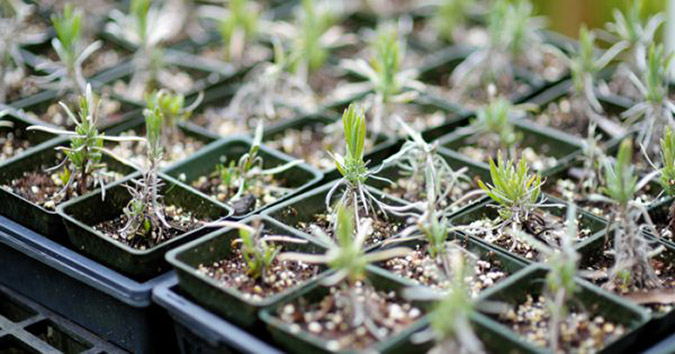
© maximkabb
Pot Luck: Grow Lavender the Easy Way
Growing lavender in a pot is easy whether you use seeds, cuttings, or purchased plants.
If you’re going to use seeds, place them on top of sandy soil. Cover them lightly with a layer of perlite. In two to three weeks, your seeds should sprout.
If you’re going to use cuttings, make sure to take them below the node (the leafy part of the plant). Dip your cuttings in rooting hormone. Place them upright in warm, damp, sandy soil.
Make your own Organic Rooting Hormone! Grab a small cup and some cinnamon. Spit into the cup. Dip your cutting in the saliva. Then dip it into the cinnamon. Place your cutting into your potting medium. Saliva is a natural root enhancer, and cinnamon minimizes damping off of your cutting.
Lavender Benefits From Proper Drainage
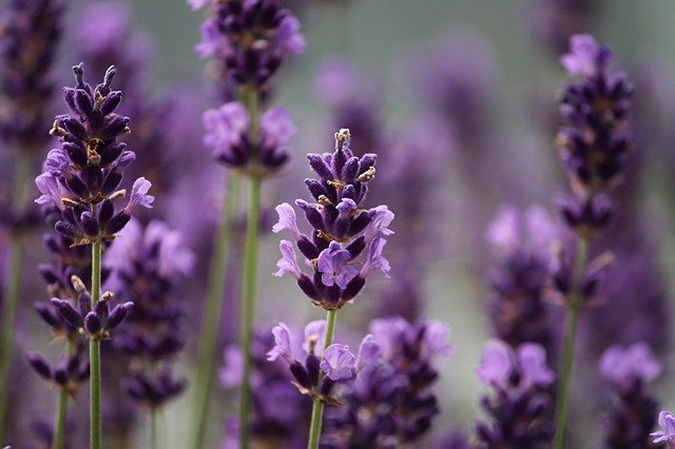
Image by Manfred Richter from Pixabay
Whatever type of container you choose to hold your lavender plant, keep in mind that while lavender does need water, it does not like moisture. This means that you need a container with a good drainage system.
A container with plenty of drainage holes is perfect. If there are only a couple of holes, drill some more.
If your pot is going to be inside, then get a pot with a removable saucer at the bottom to catch the excess water. Do not get a pot with an attached saucer. You don’t want your lavender plant to be too damp.
Maintain Your Potted Lavender
Once you’ve found the right amount of moisture in the sandy soil, maintaining growth becomes pretty easy. Ensure that the lavender plant benefits from the right sun exposure, amount of water, soil pH, and temperature.
Sunlight
Place your lavender plant somewhere it will get at least 8 hours of sunlight a day. Note: In locations in the Southwest and Southeast where the sun is extremely strong, your lavender may need a bit of shade.
Water
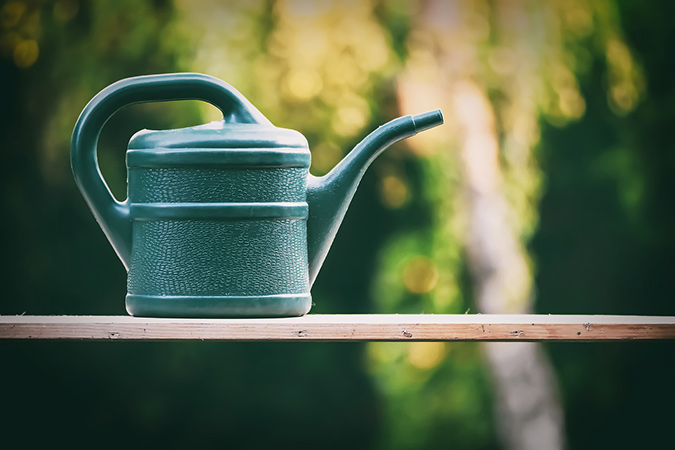
Lavender does not require much water. Let the soil become dry in between watering, but do not let it get so dry that the plant wilts.
Soil pH
Lavender does not like acidic soils. It may look fine the first year, but it will soon start dying off. This member of the mint family loves an alkaline soil with a pH between 6.7 and 7.3.
You May Also Enjoy:
“Calendula: Lymph Mover, Detoxifier, Cancer Fighter, and Skin Beautifier”
“Homegrown Herbalist 01 – Echinacea: General Properties and Uses for Snake Bites”
Temperature
Depending on where you live, your lavender will grow best in the late spring to early summer. If you are in a cooler climate, you might want to look at varieties like English lavender, which will grow in your cooler temperatures.
French lavender is at its healthiest when it is warm. There is a good chance it won’t survive a cold winter, which is why it is better to plant it in pots, so it can easily be moved when temperatures drop.
Harvesting Lavender
Lavender plant uses are many in all its forms.
If you prune the first blooms in early spring, you may have a second harvest in the summer.
When reflowering begins to slow (after about a month of flowering), you’ll be ready for your final harvest. Cut your lavender a few inches above the woody growth with a harvesting knife. Remove the flower stems from the bush, and gather the stems into a bunch.
Drying Lavender
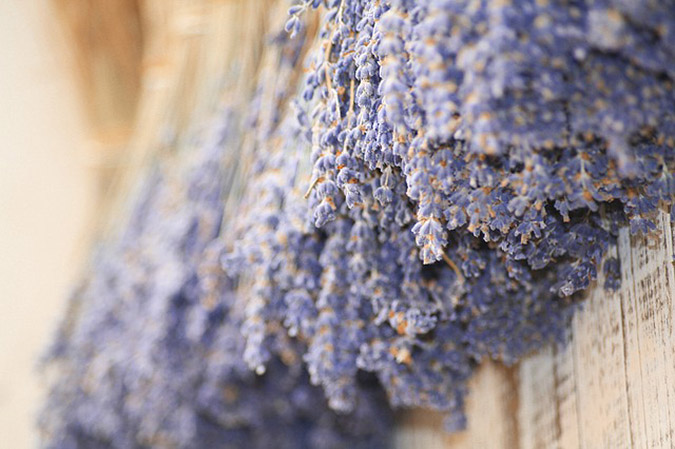
Image by patrick Blaise from Pixabay
Dry lavender in bunches, on screens, with a dehydrator, or in a paper bag. Either dry in a cool, dark place hanging upside down or on a screen out in the sun. Note: The sun will change the color of the lavender.
Now use YOUR lavender for anything from crafts to cooking.
What Do You Think?
What lavender benefits are your favorites? Do your lavender plant uses differ from those mentioned above? Lavender lovers, unite in the comments below!
_________________
This is an updated version of an article that was originally published on August 10, 2017. The author may not currently be available to respond to comments; however, we encourage our Community members to chime in to share their experiences and answer questions!
Psst! Our Lawyer Wants You to Read This Big, Bad Medical Disclaimer –> The contents of this article, made available via The Grow Network (TGN), are for informational purposes only and do not constitute medical advice; the content is not intended to be a substitute for professional medical advice, diagnosis, or treatment. Always seek the advice of a qualified health care provider with any questions you may have regarding a medical condition. If you think you may be suffering from any medical condition, you should seek immediate medical attention. You should never delay seeking medical advice, disregard medical advice, or discontinue medical treatment because of information provided by TGN. Reliance on any information provided by this article is solely at your own risk. And, of course, never eat a wild plant without first checking with a local expert.
The Grow Network is a participant in the Amazon Services LLC Associates Program, an affiliate program designed to provide a means for our team to earn fees for recommending our favorite products! We may earn a small commission, at no additional cost to you, should you purchase an item after clicking one of our links. Thanks for supporting TGN!
(Visited 31,710 times, 3 visits today)


