


The hardest thing to guarantee is hiring the right people for your team. This is the greatest fear for most of you. However, with our employee recruiting guide, you’ll know exactly what steps to take to get as close as possible to guaranteeing the best hires.
Why learning how to hire employees is worthwhile
Hiring mistakes are costly mistakes. If they do screw it up, it could crash your business.
The easiest way to prevent this from happening is to avoid making costly mistakes in the first place.
We’ll walk you through eight steps to help you recruit the people you need to make your business thrive. Following our steps will automatically help you look for signs that will save you from headaches in the future.
When you learn how to recruit properly, you can keep up the hard work it took to start a business from scratch. You build an environment that you enjoy managing every day, and you learn how to surround yourself with people who will respect your business as much as you do.
In the end, you learned how to find people who can do the job, do it well, and do it with the right attitude.
The investment needed to hire high-quality employees
When you hire your first or twentieth employee, you need to put in the necessary work to make sure you’re doing it right.
One of the first things to do is to understand that you need more help. It’s hard to admit this at first, especially if you’re a serial DIY type entrepreneur.
But the key to growth is collaboration and knowing when you need help.
You’ve done this, it speaks volumes about your work ethic, and you’re ready to invest time, money, and effort to attract top-notch new hires.
Actual investment will vary by organization. We don’t know the details of how many people you need to hire and in what roles.
But we can tell you that you usually need software to help you do the job. It’s important to know which software is best for your team or operation.
We’re there to keep you covered.View our about Best Applicant Tracking Software or best recruiting software, For example. They’ll give you a good idea of what your options are and help you determine the right software you should buy to help you recruit. It’s all there.
Making the right choice is critical, as you will need a platform to organize and manage candidate information, resumes, and other related items that help remove unqualified applicants.
If you’ve got software ready to help you with your recruiting, or have a recruiter do the heavy lifting for you, the step-by-step guide that follows is the place to start.
8 Simple Steps to Hiring Employees
Once you have your tools ready, it’s time to follow these steps to recruit.
Step 1 – Know who you’re looking for
Too many business owners — and, heck, the average person — don’t know what they want. There is little uncertainty in business or when hiring new employees.
You have an open position in your company. Now is the time to make sure you know the type of candidate you want to fill it.
Start by looking at a similar job description on the job board. Make sure you understand what skills and experience the people you will hire will need.
You’ll also want to compare salaries or hourly rates to make sure your position is competitive. Coming up with a number you can be sure of is more than enough for your character.
Take these basics down and think about what additional qualities and intangibles you want from your perfect hire. All in all, you’ll get a complete picture of who you’re looking for.
Step 2 – Use real jobs
Sounds like a Buzzfeed job posting title won’t get you the right attention. Most applicants you’re looking for won’t search for something like “Rockstar Developer Wanted.”
You need to use keywords that talented candidates are actually searching for.
It might sound obvious to you, but trying to be smart won’t get your job filled. clear will.
Step 3 – Develop a Killer Job Description
Don’t get confused here. We don’t recommend appearing eccentric, including silly, unclear jargon or buzzwords.
That being said, your job description doesn’t have to be boring.
If that’s your workplace environment, you can have a sense of humor in it. Just be clear what your expectations are.
Too many descriptions are written in vague, dry, legalese-like language. In a way, say something, say nothing.
However, if your description clearly explains what your organization is about and reflects your culture, you can get the people you want.
You can also have the person on the other side read your job description and say to yourself, “Yes, I can definitely do it” or “This sounds perfect to me.”
Also use the appropriate keywords we talked about in the second step. Just don’t stuff your job description with too many keywords – it’s never going to work or sound like it was written by a real person.
Step 4 – Continue Research
Now that your killer job listing has landed on the job board and gained some traction, you’ll start reviewing your resume.
The easiest way to decide which yes or no columns to list is to look for the story each resume tells you.
What real evidence of their past achievements fits your requirements? Do they live longer in their previous jobs, or are there gaps that you can’t figure out?
Even something as simple as a spelling or grammatical error can indicate that they don’t pay enough attention to detail.
Look for clear progression in their careers, but not necessarily a traditional straight line. Just make sure, from what you see on their resumes, that you can be confident that they are ready to go to the next level in your recruiting process.
Step 5 – Two-Step Certification Interview
It’s a tongue-in-cheek statement, we know it.
In a nutshell, this means that when you find a candidate that meets your criteria, you’ll be interviewing in a two-pronged approach.
Start with a phone interview. This can be 30 or 40 minutes. You’re looking for someone who fits your workplace culture and whether they can provide satisfactory answers to your questions about their resume and experience.
Even in our own company, the interview process starts with a video call to get to know the applicant first.
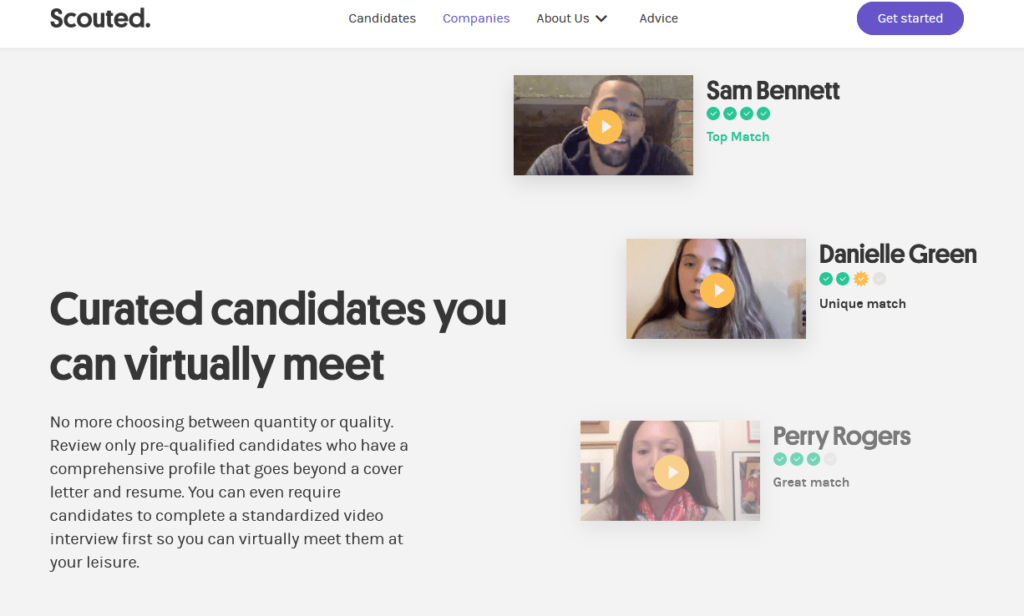
Talking to someone over a voice or video call can help you and your team start forming opinions on potential new hires.
If after that, you like what you hear and see, you can move on to the next step. This is the second interview and can be conducted in person if safety precautions allow.
In the second interview, it’s time to ask more strategic questions that will reveal their skills, enthusiasm for the role, and other non-verbal cues that will reveal their suitability.
Make sure to avoid issues that would violate the Equal Employment Opportunity Guidelines. You want to avoid including age, race, marital status, religion, and other topics that could be seen as discriminatory.
Step 6 – Are they who they say they are?
Once you’ve found a qualified, high-quality candidate, it’s time to verify their identity. There are plenty of background check procedures you can follow.
But the old and trustworthy way of doing things still works. Call referees and previous employers.Ask them what it’s like to work with the candidate and listen to the details they can give you, not just vague answers
Also, conduct a criminal background check.Alternatively, hire a The company handles the background check for you.
If you’re hiring an accountant or senior manager, dig deep and make sure everything goes well.
Step 7 – Keep your candidates organized
There’s nothing more frustrating than losing information about the perfect potential employee during the hiring process.That’s why we strongly recommend finding good Applicant Tracking Software At the beginning.
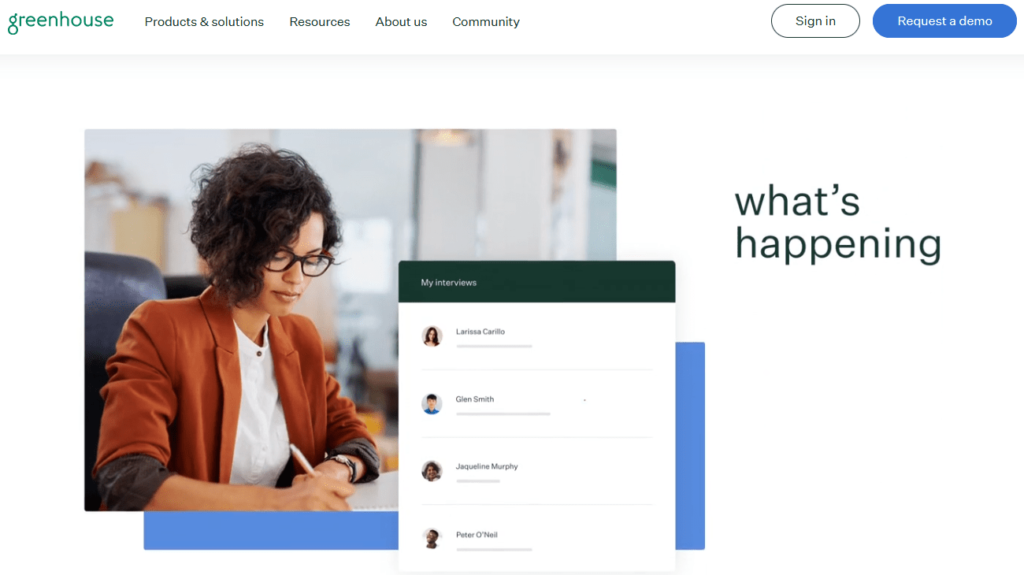
Software helps you keep track of the most promising and attractive candidates with little confusion in the hiring process.
If you do things on paper or spreadsheets, it’s in your best interest to modernize your approach today.
Step 8 – Choose Your Ideal New Addition
You’ve done all the work to narrow down your candidate pool to your dream recruit. Don’t settle for someone close enough. You’re really looking for gold here; your business deserves it.
The cost of hiring and training people is high. Your time isn’t cheap, so if you’re going to do it, do it right.
Don’t get tired of distress and frustration and choose a candidate who is “close enough”. Too many other recruiters and businesses do this. Different.
Remember what you know about the person you are interviewing. What do you remember about their skills, experiences and personalities? Are their references reliable? Most importantly, do they fit the company culture and team dynamics?
If you say “yes” to these questions and can answer why, don’t worry because you know you’re a winner.
Then, just seal the deal and close your open loop. Write a formal acceptance letter, set a start date, and make sure they get all the new hire paperwork they need for the position.
Remember, without a signed offer letter, you have not officially hired a new employee.
Also, once you’ve found the ideal employee, be sure to tell the candidates who didn’t get in as soon as possible. Never make them wonder and wait. Send an email or make a call – either way, just let people know.
Next step
Once you receive your signed acceptance letter, it’s time to start the onboarding and training process. Make sure they have everything they need to do what you want them to do in the best possible way.
If you don’t have this process perfectly polished and mastered, focus on making the onboarding process as smooth and seamless as possible.
As usual, we recommend looking into tools that make this easier.We have articles about Best Onboarding Software and The best employee training software Help guide your search there.In addition, you can also take advantage of Our Employee Training Guide.
From here, all you have to do now is monitor the success of your employees. If you are in close enough contact with them that you can mentor them, you can see what they are doing. Or, just have regular meetings to make sure things are going well.
Plus, you can learn from new employees how to improve your recruiting process. Schedule a one-on-one time with them, or have your manager do it, to review the entire recruiting process from their perspective. There is no better person to get feedback than someone who has just experienced it.
Take what you’ve learned and improve on areas they find lacking or confusing.


