


Review -I am one of many so-called knowledge workers who spend most of their time doing what the army used to say “wiping a chair with my ass.” This often makes my calves sore and slightly swollen. As a partial solution to this, I have been wearing various types of compression socks for the past 10 years. When VIM & VIGR provided several pairs of their compression socks, I knew I was the right person to evaluate them.
What is it?
VIM & VIGR produces various types of compression legwear, including socks, sleeves and tights made of cotton, merino wool, nylon or moisture wicking nylon. This review specifically covers their wool and cotton socks.
What’s in the box?
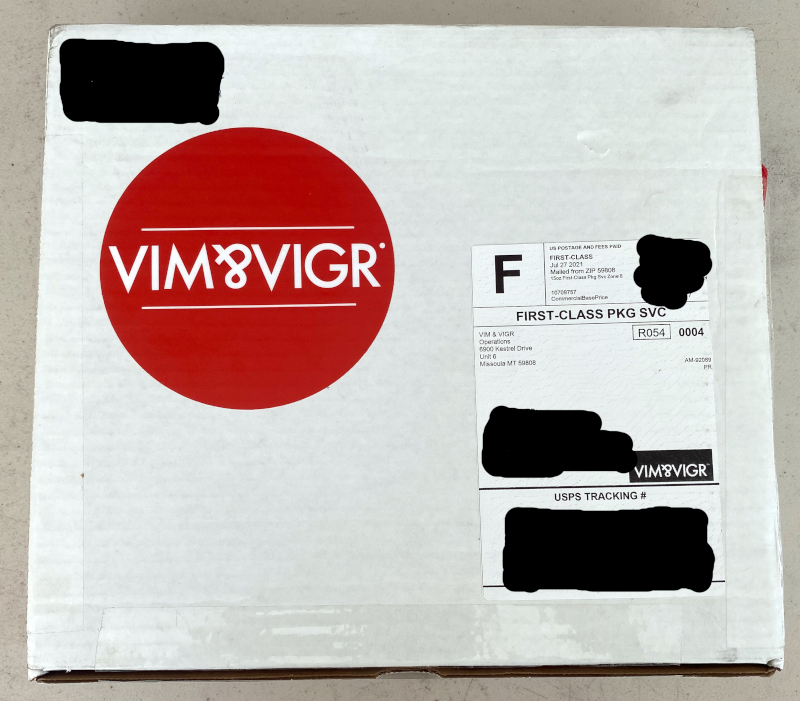
My review samples are packaged in a sturdy shipping box with VIM and VIGR brand decals.
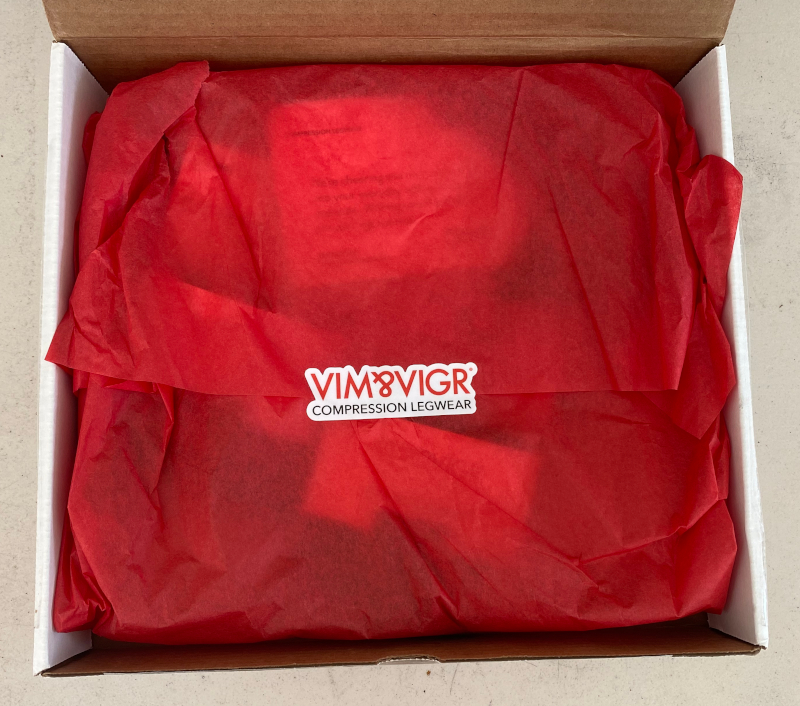
There are two pairs of socks in the box, neatly wrapped in paper towels, with VIM and VIGR decals on them. There are also several inserts about VIM and VIGR and their products in the thin paper.
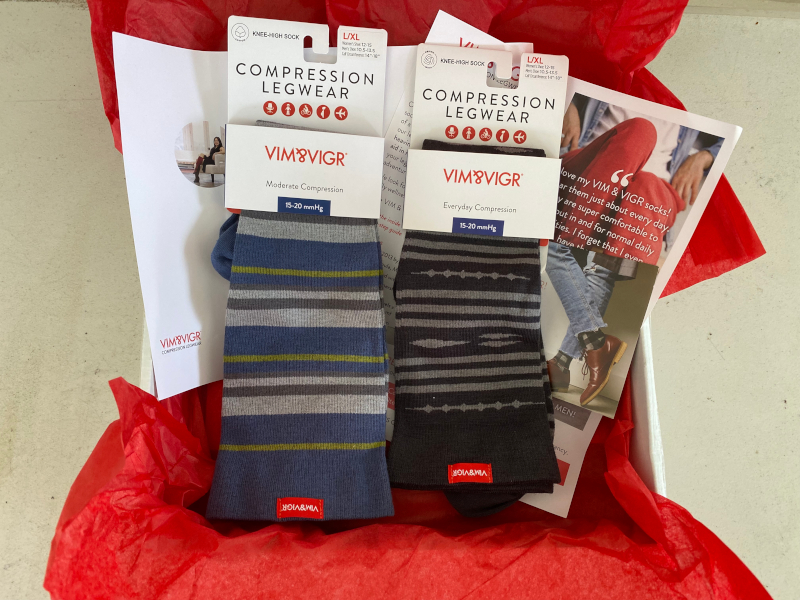
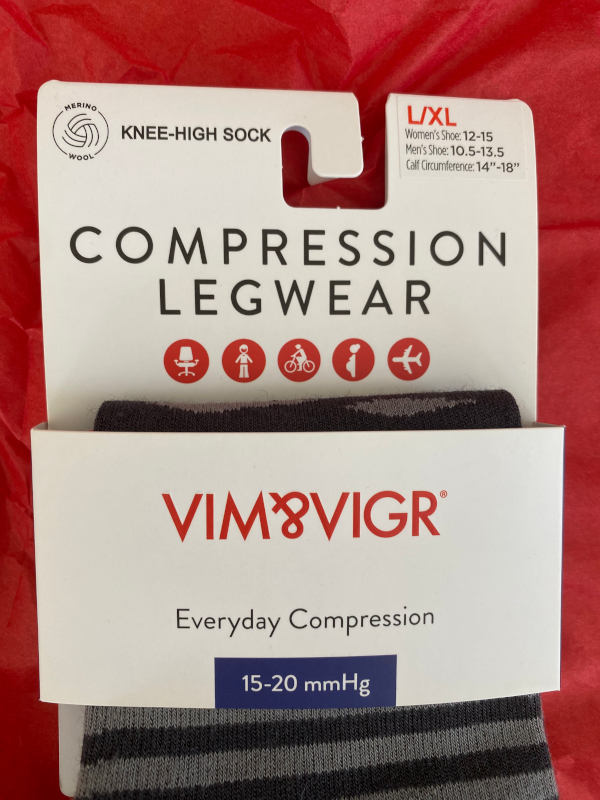
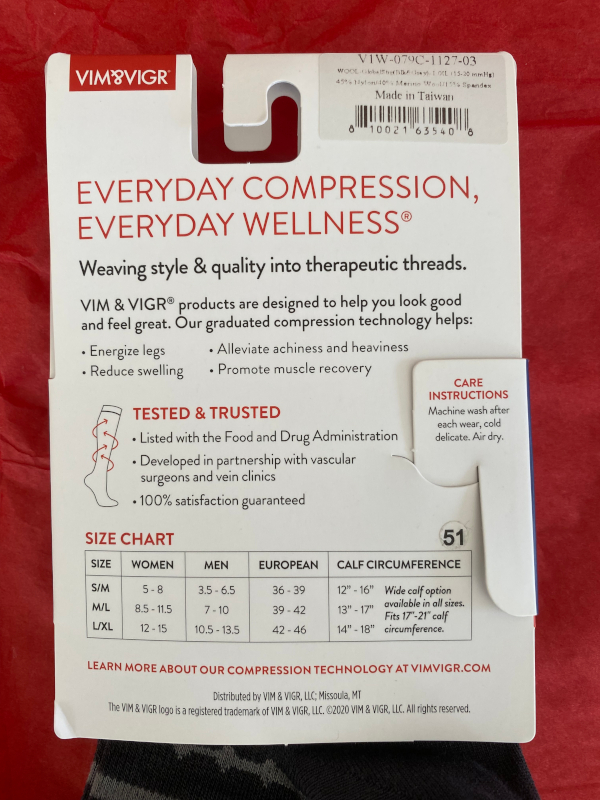
Each pair of socks is packed in a well-designed hanger/information sleeve made of heavy paper.
Hardware specifications
The VIM & VIGR compression pants are designed in Missoula, Montana and made abroad (the socks I reviewed are made in Taiwan). The size of the V&V leggings is Combination of shoe size and calf circumference.
There are three different compression methods for VIM and VIGR compression wear (* The higher compression levels are usually reserved for use under the guidance of clinicians):
- 15 – 20 mmHg
- 20 – 30 mmHg*
- 30 – 40 mmHg *
I received two pairs of 15-20 mmHg compression socks, size L/XL (based on my US shoe size 11.5 and my calf measurement):
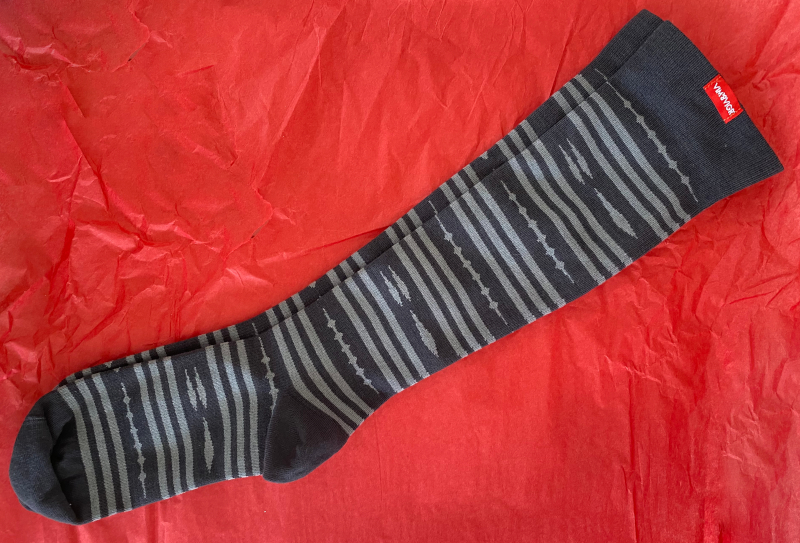
- Merino wool (45% nylon/40% merino wool/15% spandex-latex fee)
Global stripe pattern (black/gray)
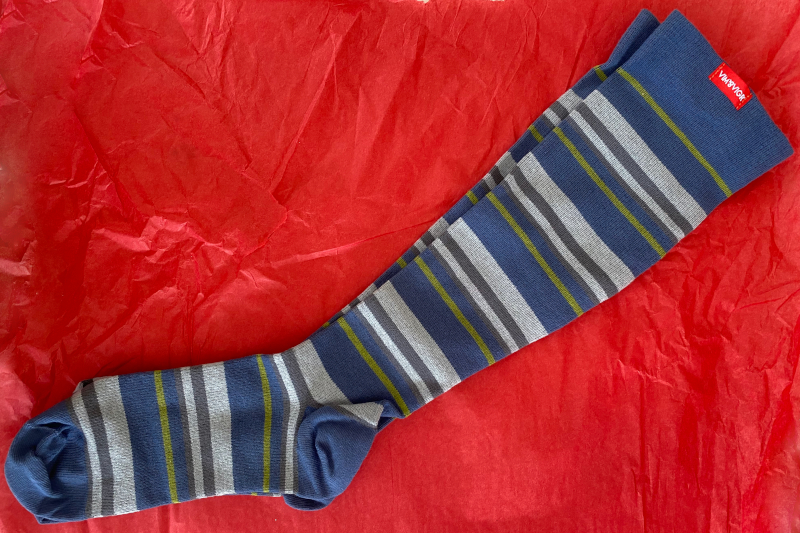
- Cotton (48% cotton, 42% nylon, 10% spandex-no latex)
Arizona Stripe Pattern (Steel Blue/Gray/Green)
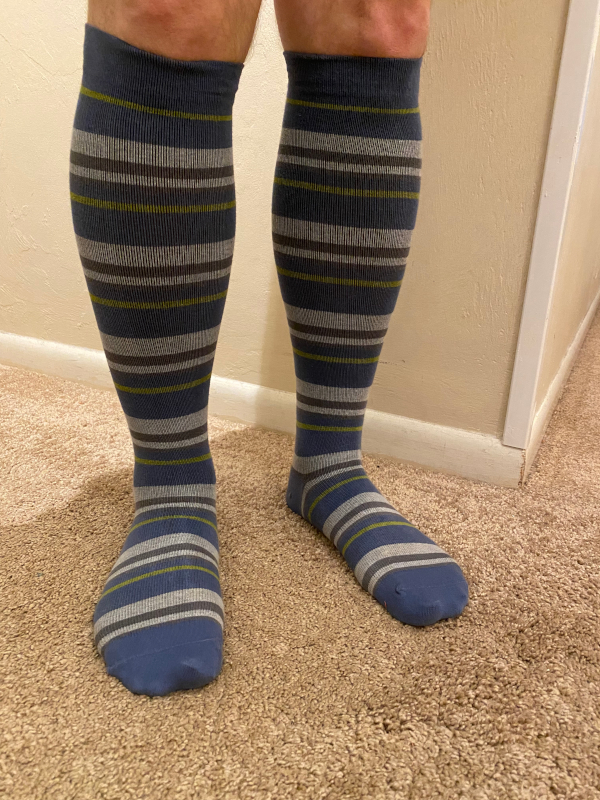
Before wearing socks, I neglected to measure their size, but the socks are designed to go from the fullest part of the calf to below the knee. My femur and tibia/fibula are shorter than expected by people of my overall height, so the socks are a little higher on my legs than specified (see first picture).
set up
The only preparation before wearing is to wash in cold water and then air dry (to maintain the shape and degree of compression). This is also the daily maintenance of socks.
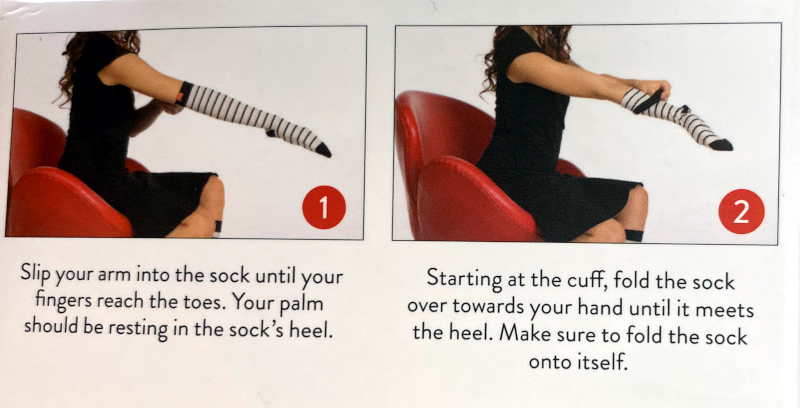
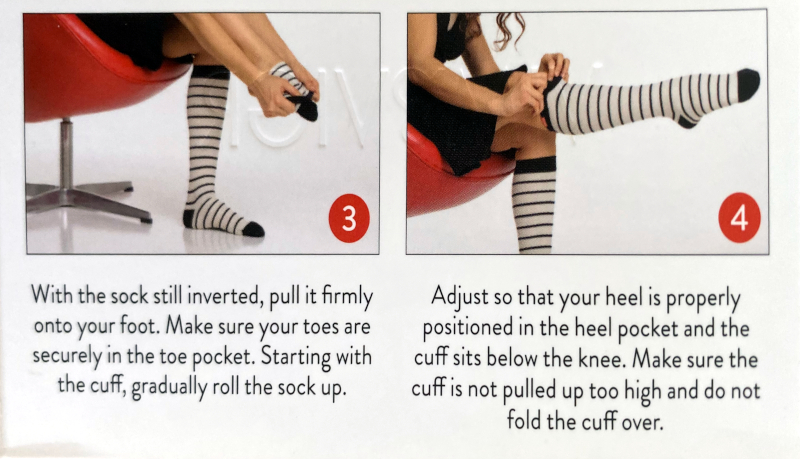
The socks come with a visual reference (printed in the hanger/information sleeve), which explains the recommended way to wear socks to get the correct support with the least hassle. Because I am a man and have been wearing compression socks for many years, I ignored the instructions and used the method I usually use. However, if you are not familiar with compression garments, these instructions are very handy.
Performance
During the evaluation, I wore each pair of socks many times. The photo below shows me wearing cotton socks.
I apologize to those who are scared by the appearance of my calves and knees. Someone told a Scottish friend of mine that I have calves that fit in a kilt/kilt hose (he said I have thighs in an indirect way).
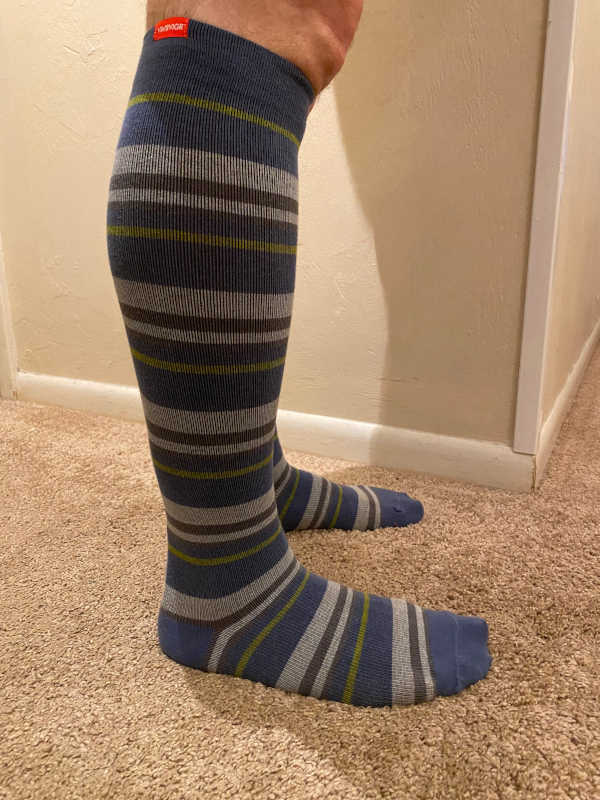
As you can see, the socks are very long and can cover my entire calf. In fact, they are long enough to pull over my knees, but they won’t stay there. If your calves are longer than mine, the socks should just touch your knees.
During my many days of evaluation, I found that I prefer the feel of Merino wool socks to cotton socks, but both pairs are very comfortable and provide good support for my calf without excessive contraction. Due to the combined effect of many factors, including sciatica, musculoskeletal injuries of the legs and ankles, and aging, I suffered from leg cramps for most of my life. The health professionals who have treated me for many years recommend using compression stockings as part of my prevention plan, so I have many other compression stockings to compare with VIM&VIGR socks. Some of my other compression socks provide too much compression, which makes my legs a little sore at the end of the day, but I have no such experience with any pair of VIM and VIGR compression socks.
As I mentioned above, I prefer merino wool socks to cotton socks. This is due to personal preference for the natural moisture wicking and drying characteristics of wool compared with cotton, as well as the skin feel of wool and cotton. The difference of $2/pair makes wool socks easy to sell for me.
what do I like
- Comfort + compression
- Various compression levels, materials, sizes and modes
What can be better
- Price, but the V&V price is the same as other high-quality compression socks
Final thoughts
The VIM&VIGR socks I reviewed are comfortable and strong. When I retire some existing compression socks, I will purchase an extra pair myself. The price of $40 per pair is a bit expensive, even merino wool socks, but because they fit, provide compression and look good at the same time, this is the price I am willing to pay, especially if I can catch them on sale.
Price: $36 – $38
Where to buy: VIM&VIGR with Amazon
source: The sample of this product is made by VIM&VIGR.


