


Post views:
1
Today, the software industry is a highly competitive market and revenue is expected to reach $626.5 billion 2022. The success of a software development project mainly depends on the process that the engineering team follows.
Given the advantages and disadvantages of various approaches, choosing a software development process that will ensure successful product delivery can certainly be difficult. So, which process is best for your business?
To understand which process will help move your business forward and enhance the customer experience, you need to understand the requirements and scale of the project, the time frame, and the end user.
So, check out this overview of the top 5 most popular development methods and choose the one that suits your needs and goals:
Agile development
Agile is a development methodology that helps software teams deliver value to customers faster, avoiding errors in code and the need to recode when requirements change. The process consists of iterative, short, repeatable phases, also known as sprints, designed to accomplish small goals.
According to research, organizations can grow revenue to 60% By adopting agile development methods.In addition, agile transformation helps companies improve time-to-market efficiency by at least 40%.
Agile core advantages:
1. Improve quality
Due to the iterative approach adopted by agile methods, continuous process improvement is provided, including simple error checking and removal, which contributes to the creation of high-quality products.
2. Adaptability
Applied to large projects, agile enables an adaptable way of working, meaning teams can respond to changes, adapt to them without too much disruption, and adjust priorities based on new goals.
3. Customer Satisfaction
Customer comments are always considered changes based on their feedback and requests. Offering product features that are perfectly tailored to customer needs ensures improved customer experience, satisfaction and retention.
DevOps Deployment Methodology
DevOps practices are designed to improve communication and collaboration between different parts of a company, including development, QA, and operations, so that IT experts can optimize workflows: build, test, and reduce time-to-market for software. Once software development and operations are combined, processes such as continuous integration, continuous testing, continuous delivery, continuous deployment, etc., are facilitated. Using this type of approach, you can solve problems quickly, increase productivity, make small mistakes, and deliver programs on time.
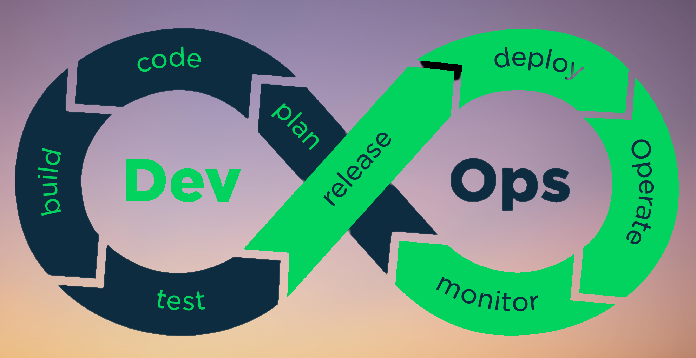
Key advantages of DevOps:
1. Quick problem solving
Open and constant communication between IT specialists responsible for different parts of the development lifecycle enables DevOps teams to minimize downtime, save time in incident and problem resolution, and enable rapid release pipelines.
2. Cost minimization
One of the main characteristics of DevOps is profit maximization. DevOps reduces the cost of network downtime, infrastructure, and software releases. Furthermore, it eliminates the need for manpower.
3. Task automation
DevOps focuses on automating manual and repetitive tasks, such as testing and writing specifications, to help organizations optimize development processes, save significant time and money, and reduce waste and overwork.
Also, feel free to contact an expert to find out Custom Software Development Solutions can be created for your projects. Intellectsoft’s team has a proven track record of providing custom services Software Development Consulting Provides services and technology solutions to businesses in a variety of industries to improve operational efficiency, increase productivity and increase revenue.
Waterfall Development Method
The waterfall method is a linear method in which each stage is an isolated activity that can only begin after the previous stage is completed. Unlike the first two development methods, the waterfall model works based on certain results and does not require constant communication among team members.
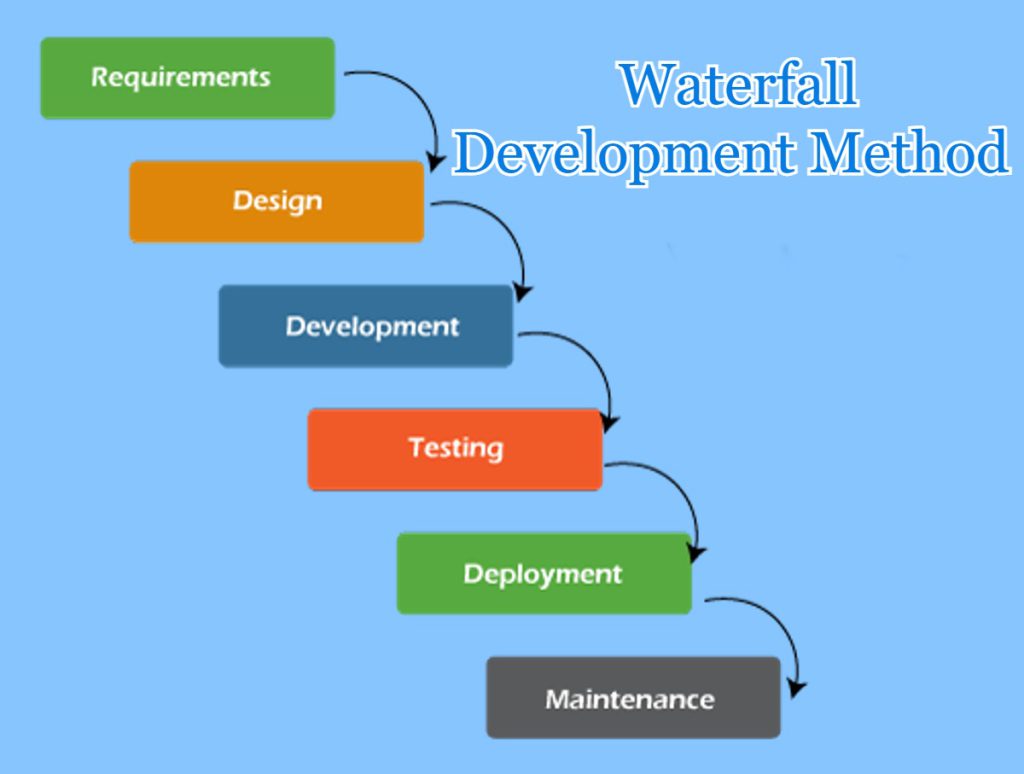
The main advantages of the waterfall model:
1. Easy to measure progress
The model makes it easier to measure progress because the goals, outcomes, and milestones of each phase are clearly defined in advance.
2. Well-designed
One of the biggest benefits is that the method provides a complete understanding of all software outcomes, which facilitates more careful design and reduces the risk of “piecemeal effects” that can occur when code snippets are defined and subsequently added to an application. possibility.
3. Accessibility Information
This approach provides accessible information throughout the life cycle of the program as the process and results are documented. Therefore, team members who join the project have the opportunity to find any information they need about the app.
Rapid application development
The Rapid Application Development (RAD) approach is all about flexibility, as it emphasizes rapid prototyping, iteration, and rapid feedback. Although both RAD and Agile demonstrate an iterative process for software development, they are different: the first prioritizes prototypes, while the second focuses on dividing the project into individual features that are delivered in sprints.
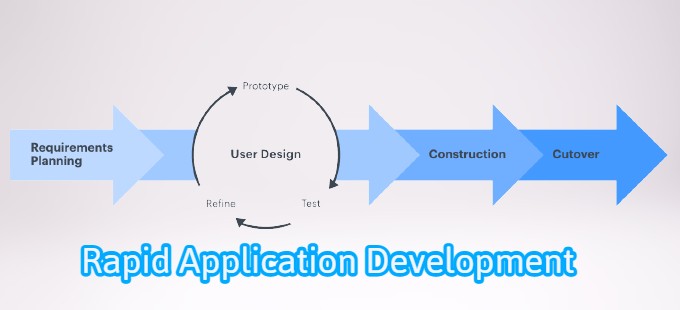
The 5 basic steps of RAD include:
1. Determine project requirements
2. Create a prototype
3. Collect user feedback
4. Take the test
5. Finish the product
Key features of RAD:
1. Flexibility
Thanks to the flexibility of the approach, engineers can quickly identify and resolve issues and make necessary adjustments during development.
2. Reuse of code and processes
It emphasizes reuse of templates, tools, and code, thereby reducing manual coding, errors, and testing time.
3. Reduce costs
Although RAD costs money to hire highly skilled IT professionals, it significantly reduces time and therefore development and maintenance costs, making it quick and easy.
all in all
Each of these four most popular software development methods has its own advantages and unique use cases. Deciding which process is the best option for you depends largely on the specific goals and requirements of your product. Therefore, when choosing the most appropriate software development method, you should keep the following basic factors in mind: your target end-user group, size and scope, deadlines, and the geographic location of your team.
The information collected in this article is intended to help you make informed choices when choosing the right process for software development. However, if you need more details or advice, you can always contact the consulting firm for more information on the development method.


