


White sage (Salvia Apiana) is an aromatic shrub native to the southwestern United States and northern Mexico. Indigenous peoples have used it for various medicinal and spiritual purposes for centuries. Today, white sage is widely available and continues to be used for its many benefits. In this article, we’ll explore the history and popular uses of white sage, as well as the many benefits of using it. Additionally, we’ll look at some safety considerations when using white sage.
What is White Sage?
White sage (Salvia Apiana) is a species of sage native to the United States, especially the Southwest. It has been used by Aboriginal cultures for centuries as a ceremonial herb, smudge stick and medicinal plant. The leaves have a distinct white tinge, which is why it is often called white sage. White Sage has a strong yet sweet scent and is often used to clear away negative energy and create a feeling of cleansing and renewal. Its medicinal properties have been used to treat various ailments such as sore throats, headaches, and indigestion. White sage is also widely used in spiritual rituals to promote emotional healing, spiritual balance and inner peace.
History of White Sage
White sage (Salvia apiana), also known as “California white sage” or “grandfather sage,” is a species of sage native to the southwestern United States and northwestern Mexico. It is an evergreen perennial shrub that grows 2-4 feet tall, with woody stems and gray-green leaves covered with a white and woolly coat.
Native Americans have used white sage for centuries for its healing and spiritual powers. It has a long history as a medicinal plant, primarily for its antiseptic, antispasmodic, and anti-inflammatory properties. It is also used to treat fevers, headaches, colds, and digestive disorders. Its leaves are also used to make a tea that is believed to have spiritual, cleansing and purifying properties.
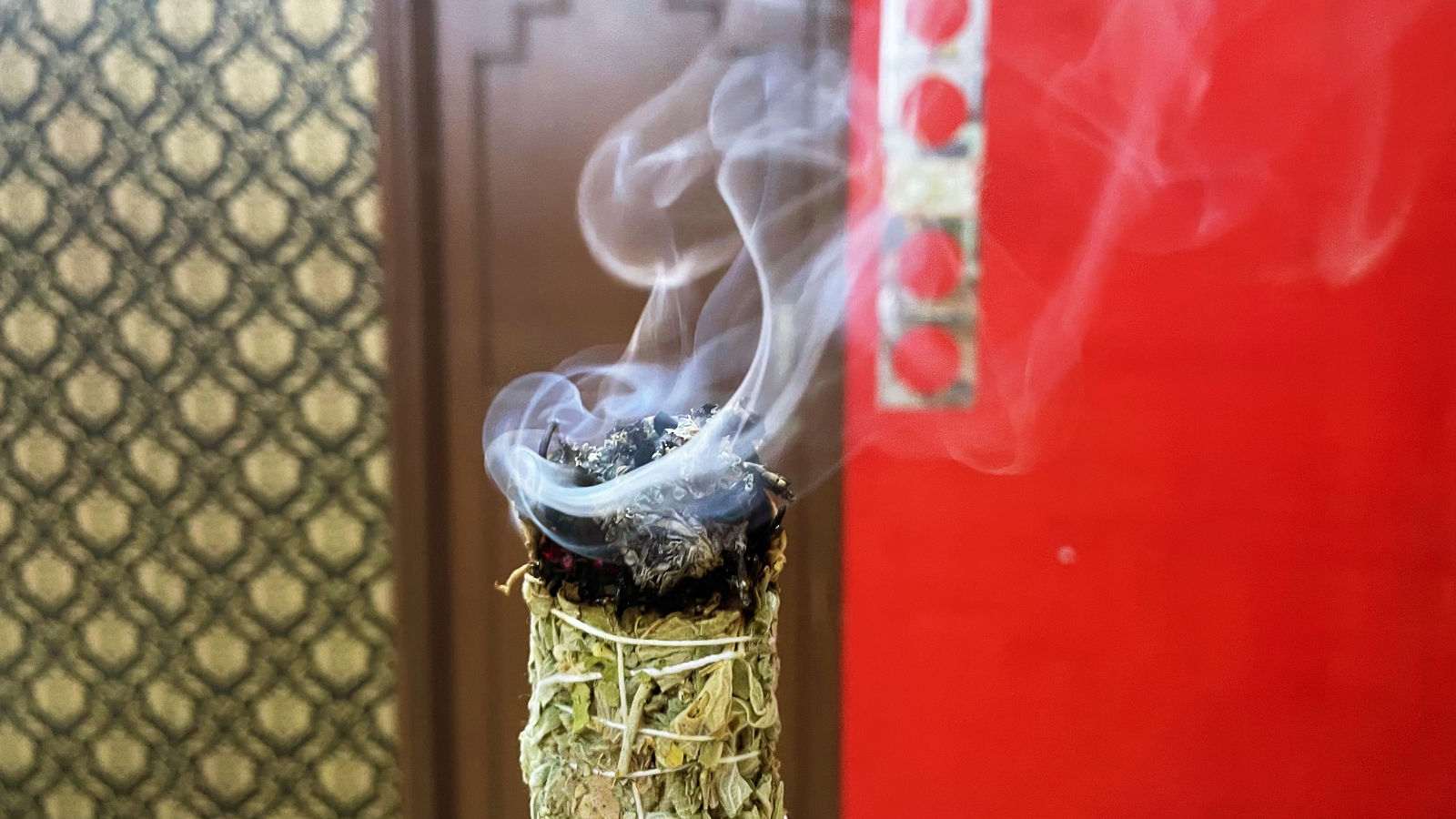
Today, white sage is still widely used in aromatherapy and herbal medicine. The plant is also used in smudge rituals, a practice that involves burning the leaves to cleanse a space and ward off negative energy. It is also popular in various religious ceremonies and ceremonies.
White sage is an important source of biodiversity in the southwestern United States and is considered endangered in some areas. So it’s important to use plants responsibly and buy from reputable sustainable sources.
Benefits of Using White Sage
White sage, or Salvia apiana, is a perennial evergreen shrub native to California and parts of the southwestern United States and Mexico. Native American cultures have used white sage as an herbal remedy for centuries. Today, white sage is widely used to cleanse and purify spaces, people and objects. Benefits of using white sage include its cleansing and purifying properties, its ability to bring clarity and focus, and its earthy, grounded aroma.
White sage can be used to cleanse and purify a space, such as a home or meditation area, by burning the herb and letting the smoke fill the space. The natural healing properties of white sage can help clear the air of negative energy, leading to a feeling of calm and balance. Additionally, the aroma of white sage is said to help clear the mind and focus, aiding in meditation and relaxation.
Whether used as a room freshener or for spiritual purposes, white sage can provide several benefits. Its unique aroma and cleansing properties make it an excellent choice for anyone looking to bring clarity, focus and peace to their environment.
Popular Uses for White Sage
Native Americans have used white sage (Salvia apiana) for centuries for cleansing, healing and spiritual rituals. It is an evergreen shrub native to the hot, dry climates of the American Southwest and Mexico. White sage leaves are gray-green with silvery undercoat. When burned, white sage is said to have a cleansing or purifying effect, making it popular in application rituals. Smoke is used to bless and purify a space or person, and to ward off negative energy.
White sage is also used to treat a variety of ailments, including digestive problems, headaches, colds and flu, and even snake bites. This herb is also used to purify the air and make breathing more comfortable. White sage has recently gained popularity in aromatherapy, and its scent is said to reduce stress and anxiety. It can also be used as a tea or tincture to aid digestion.
Safety Precautions for White Sage
White sage (Salvia apiana) is a species of sage native to the southwestern United States and Mexico. It is a popular herb used in many spiritual and healing ceremonies, and is often burned as part of cleansing ceremonies. When using white sage, it is important to consider safety. Burning sage can lead to inhalation of the fumes, so it’s important to practice in a well-ventilated area away from children or pets.
Burning sage also produces glowing embers, so it’s important to use a suitable burning tool, such as a fireproof bowl or shell, and to care for burning sage carefully. Also, sage should always be kept away from any flammable materials. It is also important to be aware of any allergies or sensitivities to sage smoke. Finally, be careful when buying white sage, as it is increasingly being overharvested, driving certain wild populations to the brink of extinction.
White sage is a multifaceted herb with a long history of use in many cultures. It has many benefits, from spiritual to medicinal, and is used in many ways. It’s important to be aware of any safety considerations before using white sage, but when used responsibly, this herb can be a powerful ally in your improved health, spiritual growth, and closer connection with nature.


