


Vehicle pollutants refer to the harmful substances emitted by automobiles and other vehicles during their operation. These pollutants severely contribute to environmental degradation and pose serious health risks to humans and ecosystems.
According to the World Health Organization (WHO), air pollution causes 7 million premature deaths Per year.In addition, transportation is the major contributor to greenhouse gas emissions in the United States, with carbon dioxide accounting for about 97% of global warming effects Transport-related emissions.
Addressing vehicle pollution is critical to protecting our planet and the well-being of future generations. The environmental impacts of vehicle pollutants are manifold, ranging from air pollution and climate change to water pollution and ecological damage.
By understanding the importance of addressing this issue, we can work towards effective measures and take measures sustainable alternative Minimize vehicle pollution and create a cleaner, healthier environment for all.
Types of Vehicle Pollutants
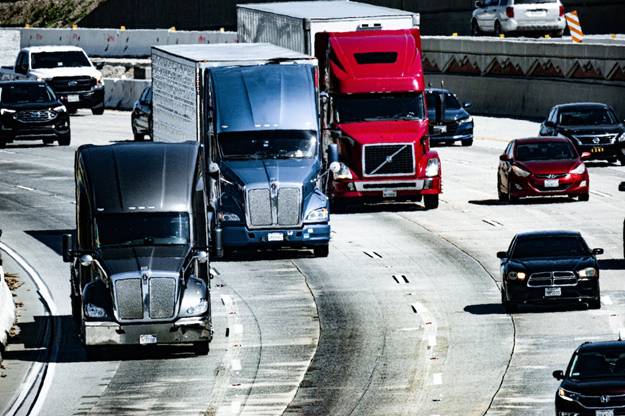
As far as vehicle pollutants are concerned, the engine combustion process emits a variety of harmful substances into the environment. While cars and motorcycles contribute a lot to pollution, it’s important not to overlook the impact of semi-trailers and other heavy vehicles. These large vehicles play a vital role in the movement of goods, but also contribute to significant emissions.
Semi-truck emissions consist of a variety of pollutants, including carbon dioxide (CO2), nitrogen oxides (NOx), particulate matter (PM), volatile organic compounds (VOC), and sulfur dioxide (SO2). These emissions contribute to air pollution and pose serious environmental and health risks.
To solve this problem Semi Truck Emissions Regulations, innovative techniques and strategies have been developed. An example is the use of tractor-mounted aerodynamics designed specifically for semi-trailers. These devices, such as automatic gap closers, can significantly reduce drag, improve stability and improve fuel efficiency.
These aerodynamic devices help minimize air drag by automatically closing the gap between the cab and trailer. This reduces the energy required to propel the truck forward, reducing fuel consumption and emissions. Improving fuel efficiency not only reduces the carbon footprint of semi-trailer trucks, but also saves money for trucking companies.
In addition to aerodynamics, other advances in semi-truck technology include the development of hybrid and electric models. These vehicles reduce emissions and can use cleaner fuels, contributing to a greener transportation industry.
It’s worth noting, however, that reducing semi-truck emissions requires a multifaceted approach. While technological innovation plays a vital role, so is proper maintenance and compliance with emission standards.Regular engine tuning, filter changes, and compliance with emissions regulations can further reduce environmental impact heavy vehicles.
Environmental and Health Effects of Vehicle Pollutants
Vehicle pollutants have adverse effects on both the environment and human health. These emissions contribute to a variety of environmental problems, including air pollution, climate change, acid rain, ozone depletion and loss of biodiversity. Increased levels of carbon dioxide, nitrogen oxides, particulate matter, volatile organic compounds and sulfur dioxide can have far-reaching effects.
The impact on human health is equally worrying. Exposure to vehicle pollutants can lead to respiratory conditions such as asthma, cardiovascular problems, allergies, and increase the risk of cancer. Additionally, these pollutants can cause neurological and developmental problems that affect the well-being of individuals of all ages.
Addressing vehicle pollution is critical to protecting the environment and human health. By taking proactive steps, we can create a cleaner, healthier future for ourselves and the planet.

Mitigation Strategies and Individual Actions
To effectively address the adverse environmental impacts of vehicle pollutants, a combination of comprehensive mitigation strategies, regulations, and individual actions is critical.
On a larger scale, governments and policymakers play a vital role in enforcing emissions standards, promoting cleaner fuels and encouraging the use of electric vehicles. Equally important is the development of efficient public transport systems and sustainable urban planning. However, individual behavior should not be overlooked either.
Everyone can contribute to reducing vehicle pollution by adopting environmentally friendly habits such as carpooling, using public transportation, and maintaining vehicles properly. This collective effort, both at the systemic and individual levels, has the potential to create significant positive change and pave the way for a cleaner, healthier, cleaner environment. sustainable future.
final thoughts
In a world where vehicle pollutants pose a significant threat to our environment and health, it is critical that we act now. The harmful effects of air pollution, climate change and ecological damage cannot be ignored. Still, there is hope.
We can mitigate the impact of automotive pollutants by developing cleaner technologies, widespread adoption of electric vehicles, and enforcing strict regulations. By making conscious choices as individuals, supporting sustainable transportation alternatives, and demanding collective action, we can pave the way for a cleaner, more sustainable future. Now is the time for change, and together we can make change.

