


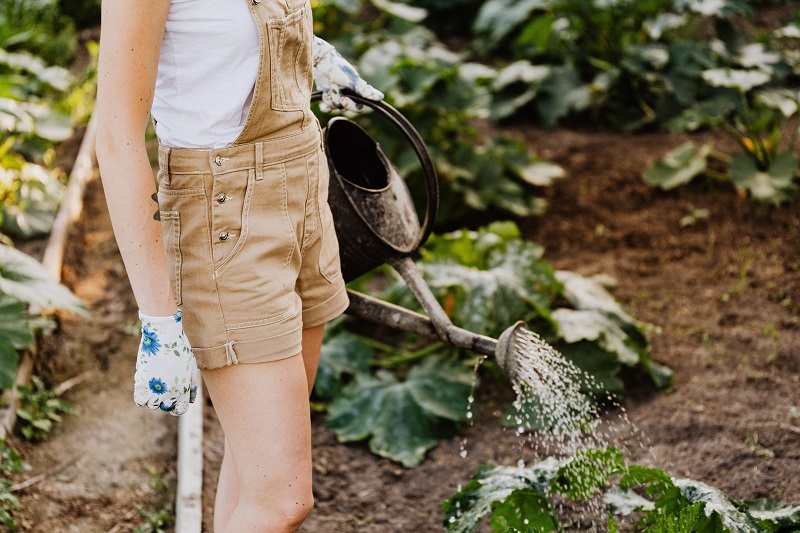
photographer Karolina Grabowska from pixel
As the world becomes more aware of the impact of human activity on the environment, more and more homeowners are turning to sustainable lifestyles to reduce their ecological footprint. From installing solar panels to composting, there are many easy and effective ways to make your home greener.
Check out these five sustainable home ideas that will inspire you to make a positive impact on the planet.
Solar panels are photovoltaic modules that convert sunlight into electricity available energy。 By harnessing the power of the sun, you can reduce your dependence on traditional energy sources and save on utility bills.
In addition to cost savings, solar panels also have a positive impact on the environment. They produce clean, renewable energy and help reduce greenhouse gas emissions.
if you are considering Install Home Solar Panels, there are a few things to keep in mind. First, it’s important to make sure your home is a good candidate. You need to have a roof that receives plenty of sunlight throughout the day. And you must work with a reputable installer to ensure your solar panels are installed safely and correctly.
Raising livestock is growing in popularity among homeowners looking for a more sustainable lifestyle.If you’re considering doing this, one of the most important investments you can make is High quality poultry netting.
Poultry netting is a type of fencing designed to keep livestock safe while allowing them to move freely. It protects them from predators like raccoons, foxes, and birds of prey, and keeps them from wandering into neighboring yards.
Raising livestock offers the opportunity to produce your own food, such as fresh eggs, milk or honey, which can reduce your reliance on store-bought produce that travels long distances and uses a lot of energy in the process.
This involves collecting rainwater from roofs or other surfaces and storing it for later use. Rainwater harvesting systems are an excellent way to conserve water and reduce your overall water usage. You’ll be surprised how much you’ll save on your water bill.
To achieve this, you need to install collection system and store water. This can be as simple as using rain barrels or as complex as installing a complete rainwater collection system including gutters, pipes and storage tanks.
The collected rainwater can be used for a variety of purposes, including watering flowers, flushing toilets, and even doing laundry. You must ensure that the water is properly filtered and treated before use, as roof rainwater can contain debris, contaminants, and contaminants.
another way of making home sustainable by composing. This involves the process of breaking down organic matter such as food scraps, yard waste, and other biodegradable materials into nutrient-rich soil amendments.
compost reduce waste Go to landfills, improve soil quality to support healthy gardens, and reduce the need for chemical fertilizers.
First, you’ll need a compost bin or compost pile. Avoid placing trash cans near your home or near outdoor seating areas as they can attract insects and create a foul odor. Composting requires a balance of “brown” and “green” materials. Green material includes food scraps and grass clippings, while brown material includes dried leaves and wood chips.
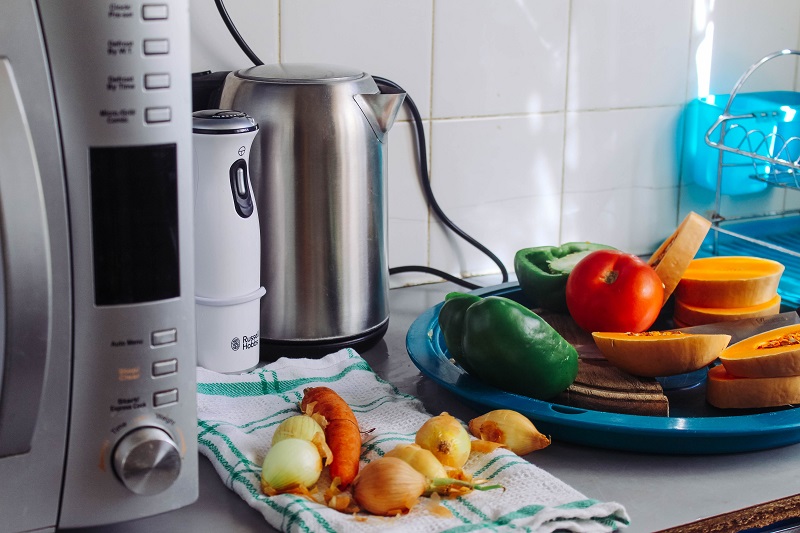
photographer Victory Deluxe from pixel
An appliance is considered energy efficient when it uses less energy than conventional appliances to perform the same function. This is often achieved through the use of advanced technologies such as improved insulation, high-efficiency motors and optimized design.
When shopping, look for the ENERGY STAR label. This label indicates that the appliance meets strict guidelines set by the U.S. Environmental Protection Agency. Common household appliances that can be replaced with energy-efficient versions include refrigerators, dishwashers, washers, and dryers.Upgrading may result in significant save energy over time.
In addition to purchasing these types of appliances, there are other steps you can take to reduce energy use in your home. These include turning off appliances when not in use, and using programmable thermostats to regulate heating and cooling.
Incorporating these practices into your home can have a profound impact on the environment and your own way of life. Each of these home ideas is a step in the right direction for a more sustainable future. As a homeowner, you have the power to make a positive difference in your own community and contribute to a cleaner, healthier planet.

