

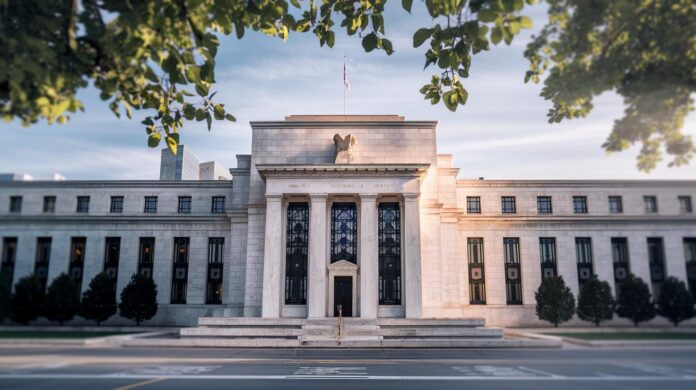

What makes the Federal Reserve, often shrouded in complexity, a cornerstone of the American economic system? As the central bank of the United States, the FED wields substantial influence over the economy, but how does it truly function beneath the surface? This article demystifies the secrets of the Federal Reserve System, offering insight into its structural mechanics, monetary policy role, interest rate influence, and commitment to financial stability. Explore how this enigmatic institution not only steers the U.S. economy but also leaves its mark on global economic landscapes.
Understanding the Structure of the Federal Reserve System
The Federal Reserve System, established in 1913, serves as the central banking system of the United States. Its primary purposes are to regulate banks, ensure financial stability, and conduct national monetary policy. This system was created in response to financial panics and the need for a central bank to stabilize the economy. It operates through a complex structure that includes several key entities working together to achieve its objectives.
-
Board of Governors: This body is based in Washington, D.C., and consists of seven members appointed by the President of the United States. It plays a crucial role in guiding the Federal Reserve's policies, overseeing the entire system.
-
12 Regional Banks: Spread across the nation, these banks implement FED policies at the regional level and provide banking services to depository institutions and the federal government.
-
Federal Open Market Committee (FOMC): Responsible for open market operations that influence the money supply and interest rates.
- Regulatory and supervisory functions: Ensures banks comply with regulations to maintain financial system stability.
The Federal Open Market Committee (FOMC) is a central component of the Federal Reserve System's structure. It is tasked with setting the direction of monetary policy through open market operations, which involve buying and selling government securities to influence the economy. The FOMC is composed of the Board of Governors and five regional bank presidents, who meet regularly to assess economic conditions and adjust monetary policy to achieve stable prices and maximum employment.
The Role of the FED in Monetary Policy
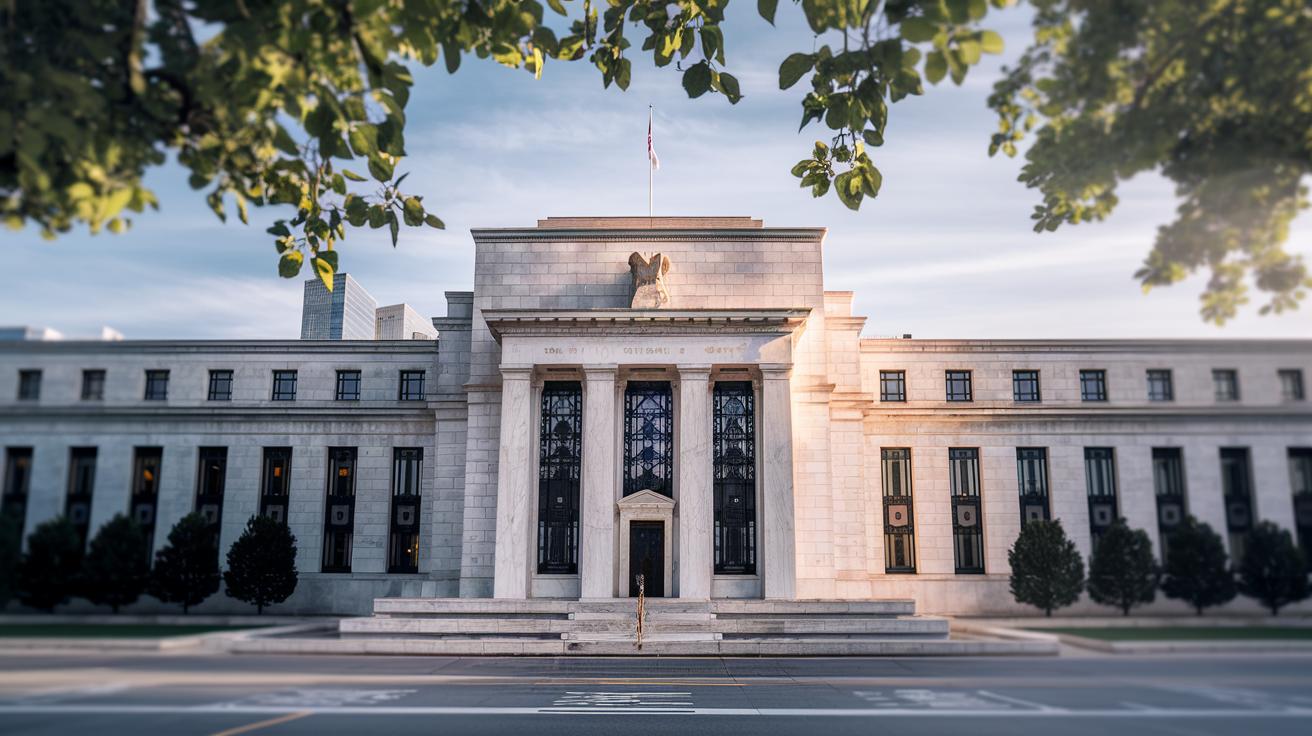
The Federal Reserve's primary objective in conducting monetary policy is to achieve maximum employment, stable prices, and moderate long-term interest rates. How does the FED achieve these objectives? By adjusting the money supply and influencing credit conditions throughout the economy. The FED carefully monitors economic indicators and adjusts its policy tools to ensure economic stability while fostering growth and controlling inflation.
The FED employs several tools to implement its monetary policy, with open market operations being one of the most significant. What are open market operations? They involve the buying and selling of government securities. By purchasing securities, the FED injects liquidity into the banking system, increasing the money supply and lowering interest rates. Conversely, selling securities withdraws liquidity, reducing the money supply and potentially raising interest rates. These operations directly influence the money supply, which in turn affects economic activity.
|Monetary Tool |Description |
|———————–|—————————————————————————|
|Open Market Operations |Involves buying and selling government securities to control the money supply|
|Federal Funds Rate |The interest rate at which banks lend to each other overnight |
|Discount Window |Allows banks to borrow money from the FED to maintain liquidity |
The federal funds rate is another critical aspect of the FED's monetary policy. What is the federal funds rate? It is the interest rate at which banks lend to each other overnight. Adjusting this rate helps manage economic conditions by influencing other interest rates, such as those for mortgages, loans, and savings. Lowering the federal funds rate can stimulate economic activity by making borrowing cheaper, while raising it can help control inflation by curbing excessive spending. The FED's strategic setting of this rate plays a pivotal role in maintaining economic balance.
How the FED Influences Interest Rates
The Federal Reserve (FED) primarily manages interest rates through the federal funds rate, the rate at which banks lend to each other overnight. What is the significance of the federal funds rate? It serves as a benchmark for various other interest rates in the economy, impacting mortgages, loans, and savings. The Federal Open Market Committee (FOMC) adjusts the federal funds rate to steer economic conditions, aiming to maintain a target range that aligns with economic goals such as maximum employment and stable prices. By influencing this rate, the FED can stimulate or slow down economic activity as needed.
-
Impact on borrowing costs: Changes in the federal funds rate directly affect the interest rates consumers and businesses face when borrowing money.
-
Influence on consumer spending: Lower interest rates tend to encourage spending and investment, while higher rates may lead to reduced expenditure.
-
Effect on inflation and employment: Properly managed interest rates help control inflation levels and support employment growth.
The FED's strategy for setting interest rates involves a careful assessment of economic indicators and conditions. By analyzing factors such as inflation, employment, and overall economic growth, the FOMC determines the appropriate adjustments to the federal funds rate. This strategic approach ensures that the FED can effectively manage economic stability while responding to emerging challenges and opportunities within the financial system.
The FED's Role in Financial Stability

How does the FED ensure financial stability? The FED supervises and regulates banking operations to maintain a stable financial system. It enforces banking laws, monitors financial institutions for compliance, and assesses risks to prevent systemic failures. By overseeing banks and financial entities, the FED aims to mitigate risks that could lead to economic distress or collapse. This regulatory function is crucial in maintaining public trust and ensuring the smooth operation of financial markets.
- Novel activities supervision program: This initiative focuses on overseeing banks' involvement in emerging sectors like blockchain technology and cryptocurrency to ensure they operate within safe and sound practices.
- FedNow payment service: Launched to enable 24/7 instant payments, this service enhances the efficiency and reliability of transactions between banks and credit unions.
- Bank Term Funding Program: Designed to provide loans to banks and credit unions using U.S. Treasuries and other assets as collateral, this program helps maintain liquidity and prevent bank defaults.
- Blockchain and cryptocurrency oversight: By monitoring these technologies, the FED aims to prevent associated risks from threatening financial stability and security.
- Compliance with Community Reinvestment Act: The FED ensures that banks meet the credit needs of their communities, particularly in low- and moderate-income areas, fostering economic inclusivity.
The FED also acts as a lender of last resort, a critical role during financial crises. What does this entail? It provides emergency funding to banks or financial institutions facing liquidity shortages, helping to stabilize the banking system. By supplying necessary funds, the FED prevents bank runs and maintains confidence in the financial sector. This role is pivotal in crisis management, allowing the FED to intervene effectively to avert broader economic downturns.
The Impact of the FED on the Global Economy
How does the Federal Reserve (FED) impact the global economy? The FED's policy decisions have a significant influence worldwide, affecting exchange rates, international trade, and capital flows. By adjusting interest rates and controlling the monetary supply, the FED can stimulate or restrain economic growth, not just domestically but also internationally. For instance, when the FED implements quantitative easing, it increases liquidity, which can lead to a weaker dollar. This shift impacts global currency markets, making U.S. goods cheaper abroad and affecting trade balances. Such policies can also lead to capital moving across borders, as investors seek higher returns in different markets.
-
Exchange rates: Changes in U.S. interest rates can cause fluctuations in currency values, influencing global trade competitiveness.
-
International trade: FED policies can alter import and export dynamics by affecting currency strength and foreign demand for U.S. products.
-
Capital flows: Interest rate adjustments can attract or deter foreign investment, impacting the flow of capital into and out of the U.S.
- Global inflation trends: Policies affecting the U.S. money supply can influence inflation rates worldwide, impacting pricing stability in other economies.
How do international economies respond to FED decisions? Often, central banks around the world adjust their own policies in reaction to FED changes to maintain economic stability and protect their currencies. Countries with close economic ties to the U.S. might alter interest rates to prevent undesirable capital movements or inflationary pressures. In this interconnected global system, the FED's actions can trigger a chain reaction, where economies adapt to align with shifting U.S. economic policies, highlighting the far-reaching influence of the FED's decisions.
Final Words
Throughout the article, the structure and pivotal roles of the Federal Reserve System present a comprehensive picture of its impact on both domestic and global economies. The FED's structured approach involves regulating banks and sustaining financial stability while implementing monetary policy to achieve employment and price stability. Understanding how the FED works enhances insight into its influence over interest rates, monetary systems, and financial security. These insights equip readers with the knowledge needed for informed discussions and recognizing the FED’s broader economic implications. Engaged awareness inspires confidence in navigating ever-evolving financial landscapes.
FAQ
How does the FED work in the US?
The Federal Reserve (FED) operates as the central banking system, guiding monetary policy, supervising banks, and ensuring economic stability through tools like interest rate adjustments and open market operations.
What does the Federal Reserve do?
The Federal Reserve conducts national monetary policy, regulates banks, ensures financial stability, and manages the money supply through tools like the federal funds rate and government securities.
Who owns the Federal Reserve?
The Federal Reserve is a unique structure that combines both public oversight and private banking interests. It is not owned by any entity but functions independently within the government framework.
Who are the member banks of the Federal Reserve?
Member banks include all nationally chartered banks, while state-chartered banks can also join by meeting specific criteria. These banks hold stock in the regional Federal Reserve Banks.
How does the Fed rate work?
The federal funds rate is the interest rate at which banks lend to each other overnight. It serves as a benchmark for other interest rates, influencing borrowing costs and economic conditions.
Where does the Fed get its money from?
The Federal Reserve generates income through interest on government securities and fees for services like fund transfers. It does not rely on taxpayer funding, maintaining financial independence.
What is the basic structure of the Federal Reserve System?
The structure includes the Board of Governors, 12 regional Federal Reserve Banks, the Federal Open Market Committee, and functions in regulating, supervising, and influencing monetary conditions.
What is the Federal Reserve Act in simple terms?
Established in 1913, the Federal Reserve Act created the FED to provide a safer, more flexible, and stable monetary and financial system in the United States.


