



Are you affected by a disaster and wondering what assistance is available? Federal Emergency Management Agency (FEMA) plays a pivotal role in helping individuals and communities navigate the aftermath of both natural and man-made disasters. FEMA's assistance extends beyond immediate aid, offering financial support for personal and infrastructural recovery. Understanding how FEMA operates can empower you to take decisive action during difficult times. This article delves into the roles of FEMA in emergencies, highlighting their disaster response and recovery programs and unveiling how you can access this crucial support.
Understanding FEMA's Role in Disaster Response
FEMA plays a crucial role in coordinating the federal government's response to natural and man-made disasters. What can FEMA do for you? FEMA provides comprehensive support to individuals and communities recovering from disasters. The agency's primary responsibilities in emergencies include:
- Coordinating federal resources and support to ensure effective response and recovery.
- Providing financial assistance to individuals and households for temporary housing, home repairs, and personal property losses.
- Offering public assistance programs designed to aid community recovery by funding the repair and restoration of public infrastructure.
- Assisting with the allocation of federal resources to help communities rebuild and strengthen their resilience.
FEMA's Hazard Mitigation Assistance programs are also essential in reducing the risks of future disasters. These programs fund projects aimed at lessening the impact of hazards, thereby enhancing community resilience and safety. By proactively addressing potential threats, FEMA ensures that communities are better prepared for future emergencies, minimizing the potential for damage and disruption.
FEMA Assistance Programs for Individuals

FEMA provides a variety of assistance programs designed to support individuals affected by disasters. Financial aid from FEMA can cover a range of needs, from temporary housing solutions to repairs for damaged homes. Individuals may also receive help with personal property losses, ensuring that essential living conditions are restored as quickly as possible. Beyond these immediate needs, FEMA extends support to address various disaster-related expenses, helping individuals and families stabilize their lives in the aftermath of a crisis.
FEMA's assistance programs cover a wide array of expenses, offering crucial relief during challenging times. These covered expenses include:
- Temporary Housing: Providing shelter for those displaced by disasters.
- Home Repairs: Financial aid for repairing damages to make homes safe and habitable.
- Personal Property Losses: Compensation for essential items like appliances and furniture.
- Child Care Expenses: Assistance for families needing child care services after a disaster.
- Medical and Dental Costs: Coverage for disaster-related medical needs not covered by insurance.
- Funeral Expenses: Financial support for families dealing with the loss of a loved one due to a disaster.
Eligibility for FEMA assistance programs requires applicants to be located in a declared disaster area and to have disaster-related needs that are not covered by insurance. The application process involves providing detailed information about the extent of the damage and the specific needs arising from the disaster. Individuals can apply for assistance through FEMA's website, via phone, or at designated disaster recovery centers, ensuring accessible options for those seeking aid.
Navigating the FEMA Application Process
The FEMA application process offers several methods for individuals seeking assistance after a disaster. Applicants have the flexibility to apply online through FEMA's official website, by phone via the FEMA helpline, or in person at local Disaster Recovery Centers. Each platform is designed to provide easy access to the necessary resources for those impacted by disasters, ensuring that applicants can choose the most convenient method for their situation.
To streamline your application for FEMA assistance, follow these essential steps:
-
Choose Your Application Method: Decide whether to apply online, by phone, or at a Disaster Recovery Center.
-
Prepare Your Information: Gather all required documentation before starting the application.
-
Complete the Application Form: Provide detailed information about your situation and needs.
-
Verify Your Identity: Ensure you have valid identification as part of the application process.
-
Submit Your Application: Double-check all details for accuracy before submission.
Applicants must provide specific information to complete their FEMA application. Essential details include the applicant's social security number, household income, and insurance information. Additionally, bank account details are necessary for any financial assistance disbursements. Providing comprehensive information about the disaster-related needs and damages is crucial to ensure the application is processed efficiently.
When applying for FEMA assistance, consider these tips and reminders. Contact your insurance provider first to determine what damages or losses are covered, as FEMA cannot duplicate benefits already provided by insurance. Keep all documentation organized and readily available to expedite the application process. Make sure to apply as soon as possible to avoid missing any deadlines, and maintain open communication with FEMA representatives for any further assistance or inquiries.
FEMA's Public Assistance and Community Support
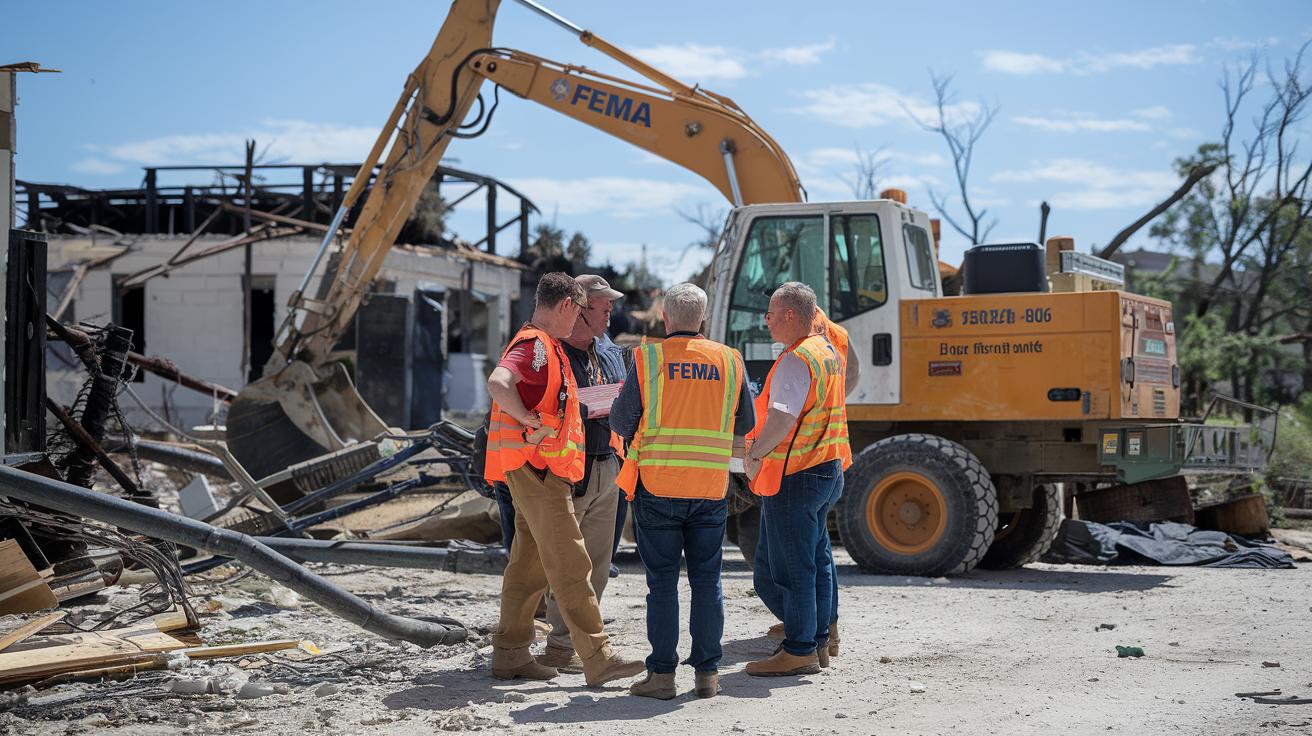
FEMA's public assistance program is designed to support community recovery by providing grant funding to state, tribal, territorial, and local governments, as well as certain types of nonprofit organizations. This funding is crucial for repairing, replacing, or restoring public infrastructure and facilities that have been damaged or destroyed by disasters. The process for accessing these public assistance grants begins with a pre-application submission, which must occur within 30 days following a disaster declaration. After submission, FEMA reviews and determines eligibility, ensuring that the funds are allocated to the most needed areas.
| Community Support Type | Description |
|———————————|————————————————————————————————-|
| Infrastructure Repair | Funding to repair roads, bridges, and public utilities damaged by disasters. |
| Facility Restoration | Grants for the restoration of public buildings and facilities, including schools and hospitals. |
| Nonprofit Support | Assistance for eligible nonprofits that provide critical services during and after disasters. |
FEMA's community support initiatives play a vital role in long-term recovery by ensuring that essential services and infrastructure are quickly restored. By addressing the immediate needs of communities and facilitating the rebuilding process, FEMA helps to stabilize affected areas, enabling residents to return to normalcy. This support not only aids in recovery but also strengthens the resilience of communities against future disasters, making them better prepared to withstand and recover from subsequent challenges.
Essential FEMA Resources and Contact Information
Individuals seeking assistance from FEMA can easily access support through various channels. To contact FEMA support, the primary avenues include their helpline, which operates daily from 7:00 a.m. to 10:00 p.m., and their official website. The helpline provides direct access to representatives who can guide applicants through the assistance process, answer questions, and offer information on available resources.
-
Local Shelters: Find shelter details for immediate housing needs.
-
Disaster Recovery Centers: Access in-person support and resources for disaster assistance.
-
Business Loans Information: Guidance on low-interest loans available through the Small Business Administration.
- FEMA Guidelines for Assistance: Detailed instructions and criteria for applying for aid.
Timely contact with FEMA is crucial, especially in the aftermath of a disaster, to ensure that assistance is not delayed. Adhering to deadlines and promptly reaching out for support can significantly impact the speed and effectiveness of the recovery process. Staying informed about the available resources and maintaining communication with FEMA can help individuals and communities navigate the challenges of recovery more efficiently.
Final Words
Amid disasters, understanding FEMA's role is essential. The agency efficiently coordinates federal responses, offering vital financial assistance to individuals and communities. Their aid encompasses everything from temporary housing to public infrastructure restoration. The application process is navigable with proper preparation and awareness of essential documentation.
Accessing FEMA's resources quickly can significantly impact recovery efforts. Utilizing these supports ensures that affected individuals and communities receive the help they need. With comprehensive programs and grants, FEMA remains a crucial resource in mitigating the effects of disasters. Recognizing what FEMA can do for you fosters resilience and aids in building a safer future.
FAQ
Who qualifies for FEMA relief?
FEMA relief is available to individuals and households affected by disasters in officially declared disaster areas. Eligibility requires unmet disaster-related needs.
How much FEMA assistance can I get?
FEMA assistance varies based on individual needs, including temporary housing, repairs, and other disaster-related expenses, subject to specific limits and requirements.
What is the FEMA $700 assistance?
FEMA provides a one-time $700 payment to eligible households, covering immediate essential needs in the aftermath of a disaster.
How much does FEMA pay for personal property?
FEMA can provide up to a specific amount, determined case-by-case, for losses related to personal property due to disasters.
What is the FEMA $500 disaster assistance?
FEMA's $500 disaster assistance is aimed at initial shelter needs for individuals severely affected by a disaster, depending on eligibility.
How much does FEMA pay for rental assistance?
FEMA's rental assistance is based on local fair market rents, designed to support temporary housing needs.
Does FEMA help renters without insurance?
FEMA can assist renters without insurance covering essential needs when disaster causes damage to their primary residence.
How much does FEMA pay for miscellaneous items?
FEMA may compensate for miscellaneous items, with amounts varying by case and determined based on verified disaster-related needs.
What can FEMA help you with?
FEMA offers support for temporary housing, home repairs, personal property losses, childcare, medical, and other disaster-related costs.
What kind of damage does FEMA cover?
FEMA assists with damage related to basic home and property essentials and ensures viability for living standards post-disaster.
How much money can I get from FEMA?
FEMA's financial aid is based on verified needs, with no pre-set maximum, but must conform to program limitations and guidelines.
How do I know if FEMA will help me?
To determine eligibility, assess if you live in a declared disaster area with unmet disaster-related needs and meet FEMA's criteria.


