


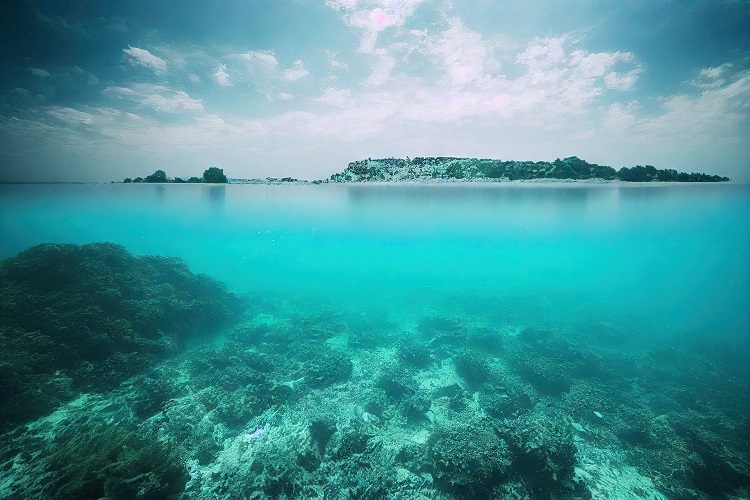
The lagoon has been under threat for the past few years. One of the main threats to the lagoon is pollution. Pollution of the lagoon is exacerbated by industrial and community wastewater discharges, irresponsible use of agrochemicals, land-based pollutants carried by stormwater runoff, and growth in tourism.
These contributing factors put the balance of the lagoon’s ecosystem at risk. The survival of the various plants and animals that inhabit the lagoon is at risk due to the degradation of water quality and the presence of pollutants. However, with the cooperation of the community, Indus Lagoon Pollution Can be solved. So, to save this unique ecosystem, consider the following suggestions to help reduce lagoon pollution.
avoid jet skis
Jet skis are a great way to have fun on a sunny day, but they can harm the flora and fauna in the lagoon. Whenever you use a jet ski or other motorized watercraft, their exhaust leaves a trail of oil.
The toxins emitted can affect water quality and cause algae growth, which is harmful to the lagoon.Algal overgrowth, also known as algal bloom, preventing sunlight from reaching the seagrass and preventing them from thriving. Seagrasses are especially important because they are habitats for fish and other organisms. Some algae also produce toxins that harm aquatic life, livestock, and humans.
Because jet skis are loud, they can be disruptive and cause problems for aquatic life. The motion of the motorboat can affect the activities of aquatic life, such as nesting, hunting or mating. Waves caused by jet skis can also affect them by altering their habitat.
To avoid polluting the lagoon with noise and toxins, consider engaging in eco-friendly water activities. Some good options include kayaking, kite surfing, and snorkeling.
Avoid leaving trash around the lagoon
When litter such as plastic bags and bottles litters the lagoon’s shores, it is easily carried by wind and rain into the shallow waters. Once plastic waste enters the lagoon, it poses a suffocation or entanglement hazard to aquatic life.
plastic pollution Ultimately it may lead to the depletion of biodiversity. So, once you’re done picnicking by the lagoon, remember to pick up your trash and dispose of it responsibly.
avoid chemical sunscreens
Chemical sunscreens may contain ingredients that can harm or pollute the lagoon. Once you start swimming, the harmful ingredients in your sunscreen are washed out into the lagoon, affecting it in different ways.
These harmful chemicals can lead to the growth of blue-green algae, which can hinder the photosynthesis of seagrass and affect the growth of marine life. As for coral life, sunscreen toxins can cause coral bleaching, deform young corals and damage corals’ DNA.
In addition, these compounds reduce the fecundity and fecundity of fish populations. To avoid these harmful effects, you can choose an eco-friendly sunscreen. Mineral sunscreens are safer to use because they are formulated with natural ingredients.
Avoid using the lagoon as a toilet
Do not use the lagoon as a toilet as human waste is a pollutant. This waste contains excess nutrients that serve as a source of fertilizer for the algae. As mentioned above, algal blooms can cause the death of aquatic plants and animals. This happens because excessive algae growth reduces oxygen levels, so the water is barely able to support aquatic plant life.
Additionally, human health is at risk when lagoons become polluted.
install rain barrel
A sort of rain barrel Can help reduce pollution by harvesting stormwater, reducing runoff. As runoff decreases, pollutants such as sediment and chemicals are deposited as they wash into lagoons and other bodies of water.
Another bonus is that you can reuse the water collected in the rain barrel. You can use it to water plants or wash windows.
Comply with fertilizer regulations
Some counties and cities have passed fertilizer ordinances to help improve water quality in lagoons and other water bodies. These rules may include the following:
- Do not apply nitrogen and phosphorus fertilizers to lawns during the rainy season.
- Do not use fertilizers within 10 feet of lagoons or other bodies of water.
- Don’t fertilize your lawn when heavy rain is forecast.
- Apply 50% slow-release nitrogen fertilizer.
Regulating the use of commercial fertilizers can help reduce the amount of harmful chemicals carried by fertilizers stormwater runoff Enter the lagoon.
the bottom line
Currently, the lagoon is suffering from pollution that can kill flora and fauna. But by avoiding certain activities and being more mindful of their behavior, community members can significantly reduce lagoon pollution.

