


As we all know, Italian is a Romance language, a descendant of Latin, which has evolved over the centuries from ancient Rome all the way to today. However, like many of the world’s most widely spoken languages, Italian has undergone many changes.
It has developed through lexical mixing, absorption of foreign words and local dialect changes. Thus, the Neapolitan dictionary also contributed to the expansion of Italian vocabulary, especially in the last few centuries.
Here are 10 of the most famous words that originated in Naples and are widely used not only in Italy, but sometimes all over the world. Don’t believe me? Then read on.
1. Pizza machine
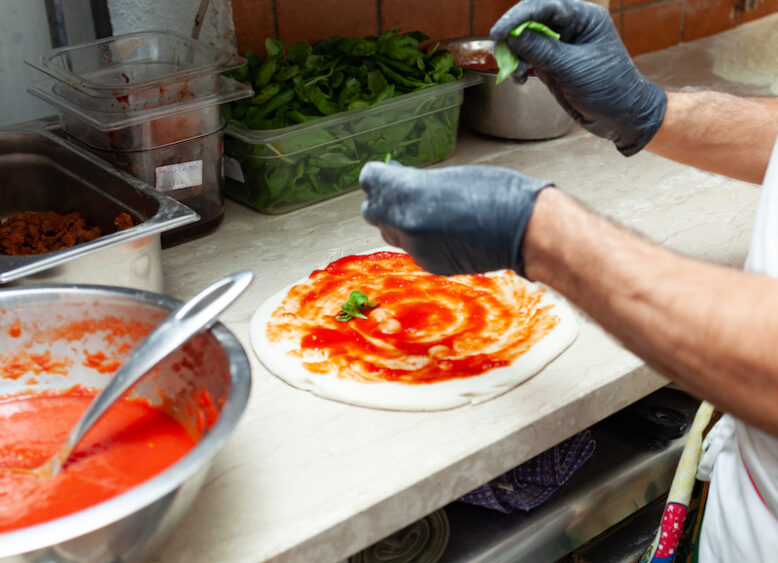
It’s easy to see why the term “pizzaiolo” is widely used in Italy. It originated in Naples and refers to a professional, usually male, who makes artisanal pizza. It is worth noting that pizzeria is not just a Neapolitan profession, it is a way of preserving tradition and culinary art, revolving around manual skills and local cuisine.
In Italy, the term “pizzaiolo” is reserved for an individual who makes pizza in the traditional way. It does not include people working in commercial chains or bars. Pizzaiolo (“pizzaiuolo” in the Neapolitan dialect) is considered a pizza master.
All over the world, especially in places where Italian immigrants used to settle, you will often find “pizzaiolo” used instead of “pizzamakers”. Be aware of this distinction the next time you go out for pizza.
2. Stall
“bancarella” is one of the challenges linguists have faced in tracing the origin of common words in the Italian vocabulary. It is found that the word was widely used in the Campania region, especially Naples, before spreading to all of Italy.
Experts also point out that the term, which refers to local market stalls, may have been introduced from Old Germanic languages. It appears that the Neapolitan dialect adopted the word from “bank”, but debate continues about its exact origin.
3. Clams
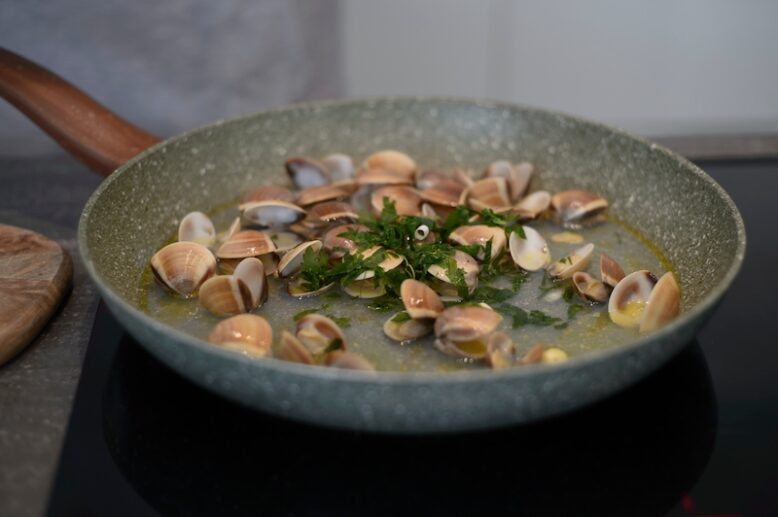
One of the most fascinating words is undoubtedly “vongola”, which translates to “clam” in English. It originated in the Neapolitan dialect, but it has now shed its regional meaning and is standardized in Italian.
The true origin of “vongola” can be traced back to Latin, specifically “conchula”, which is a shortened form of “concha”, which means “conchiglia” or “shell” in English. However, how did linguists determine that the word came from Neapolitan? it’s actually really easy. Neapolitan is the only Italian dialect that converts the phoneme “c” to “v”. This unique phonetic mutation provides a clear indication for linguists to make this connection.
4. Mozzarella Cheese
Mozzarella cheese is a famous delicacy from Campania. Made with buffalo milk from local farms, this traditional product is popular all over Italy. Its production initially started in the surrounding area and then expanded across the country.
The word “mozzarella” is derived from the Italian verb “mozzare,” which means “to chop.” This refers to the process of producing mozzarella cheese. To achieve the desired consistency, the creamy compound is chopped repeatedly until the mozzarella achieves its famous texture.
5. Rifle
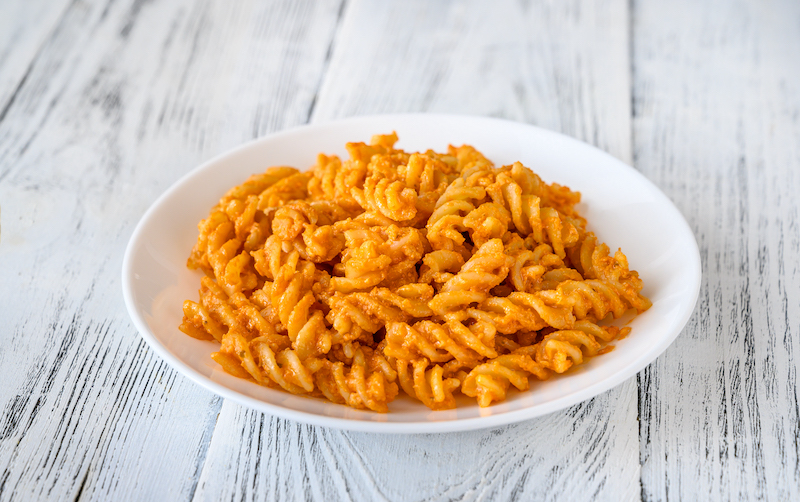
This particular type of artisanal pasta originated outside the Paternop region. However, its name was coined in Campania, where it became widely accepted and eventually spread throughout Italy. This unique variety of pasta has a conical shape with a helix, resembling a long screw.
6. Carousel
The word “carusiello” is derived from an older term. It was originally used to refer to a money box, usually made of clay in that era. Over time, the word has fully integrated into the Italian dictionary, retaining its original meaning of a container for storing money or valuables.
7. Shepherd
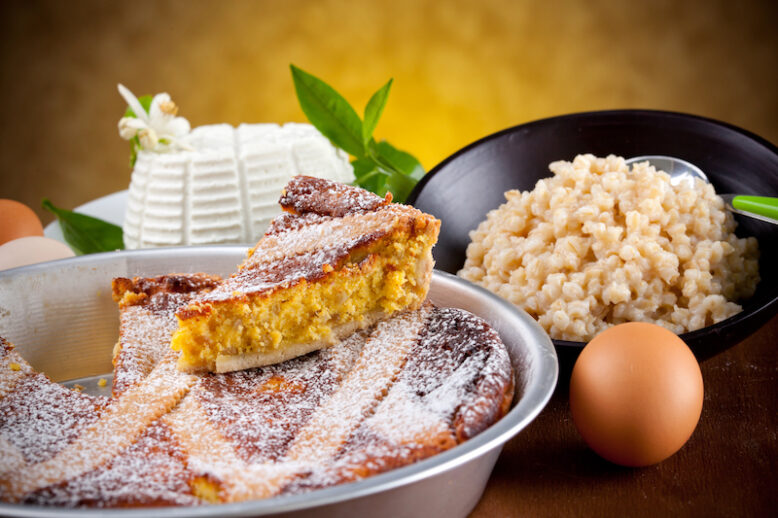
Traditionally made for Carnival and Easter celebrations, this delightful dessert originated in Naples and has become popular in nearly every region of Italy for its delicate nature. It can now be found in many shops, especially pastry shops.
In Naples, this dessert is served year-round and can be found throughout the city. Made with ingredients like ricotta, wheat seeds, eggs, and flavors, it’s a truly savory and sweet treat.
8. Evil Eye
The concepts of the evil eye, curses and omens have deep roots in Campania’s history. Even today, it is possible to meet women who use tarot cards to read people’s future and past. Sometimes, they may cast spells on you if you fail to reward them adequately. The word “malocchio”, which translates to “hexadecimal” in English, originally appeared in Neapolitan and other regional dialects of southern Italy. Over time, the word became widely used throughout the Italian peninsula and is still widely used today.
9. Puff Pastry
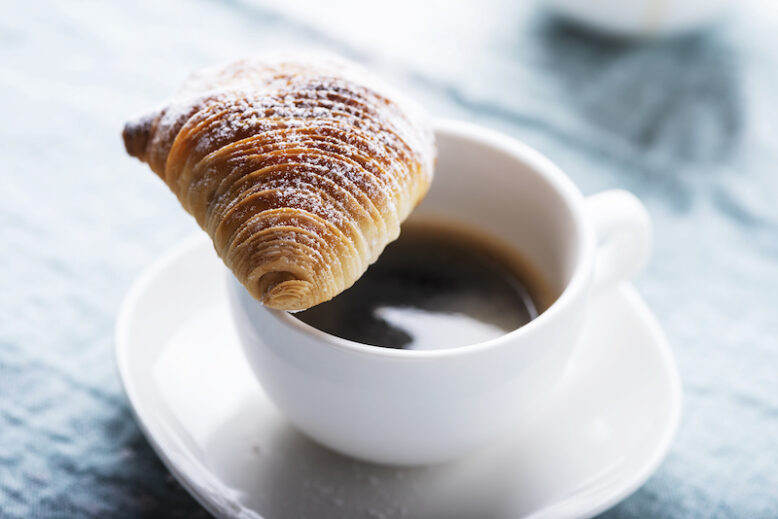
In fact, sfogliatella is another popular breakfast dessert commonly found in pastry shops and bars. Unlike pastiera, however, sfogliatella is not widely known in Italy. Still, in various regions you can still find places that sell sfogliatella, although less often.
Sfogliatella is filled with ricotta cheese and candied fruit, wrapped in a crispy puff pastry shell. It’s a special treat to start your day, although it’s considered quite high in calories due to its rich ingredients and preparation.
10. Camorra
Unfortunately, Naples also has its dark side, mostly related to the presence of the Camorra, an organized crime syndicate that operates locally and extends its activities beyond the regional borders.
Camorra is notorious worldwide and is involved in various illegal activities. This was depicted in the TV series “Gomorra”, which portrayed the criminal organization’s operations and shady business practices. The series provides insight into how Camorra works and its impact on the community.
in conclusion
In fact, tracing the origins of dictionaries in the Italian language can be a complex task. Linguists have found that Italian has borrowed words from more than 16 different languages, including Chinese, Persian, Hindi, Sanskrit, Hebrew, and even Lombard.
This diversity of linguistic influences poses major challenges for linguists in their daily work. Interestingly, however, in some cases the origin of the loanwords is so close that they have become deeply embedded in the Italian language and are used consistently throughout Italy.
About the author: Fabio Guarino
As a linguist and language expert, Freelance Content Writer and SEO Marketer Allows me to combine my passions and interests with my career. My favorite thing about using language is playing with words. This is something I have always dreamed about since I started traveling the world and learning languages.


