


Post views:
3
What does PMO mean?
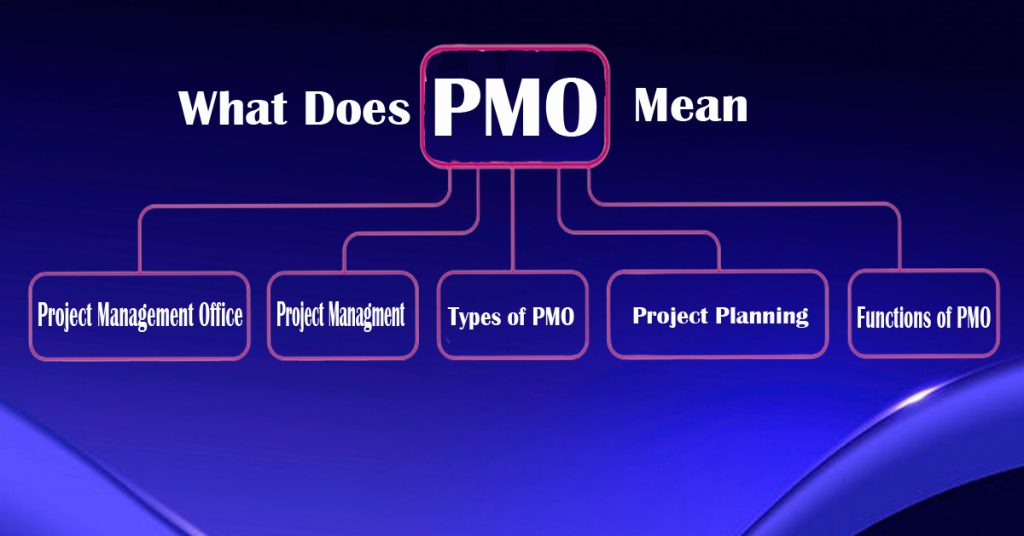
PMO stands for Project Management Office. A PMO is a group or department within an organization that provides support, governance, and best practices for project managers. It is a role within a company that is responsible for the overall success of a project. The PMO ensures that all aspects of the project are completed on time and within budget. They also work hard to ensure that the project meets all requirements and goals.
What does PMO mean?
PMO means Project Management Office (PMO) is the department responsible for the overall management of an organization’s projects. The PMO may also be responsible for other functions such as governance, portfolio management, risk management and quality assurance. A PMO provides a centralized point of control for all projects within an organization. It is responsible for ensuring that projects are completed on time and within budget and to the required level of quality. The PMO also provides support and advice to the project manager throughout the life of the project. In many organizations, the role of the PMO is to ensure that projects are successfully delivered and aligned with the organization’s strategy. The PMO may also be responsible for developing and maintaining project management methods and standards. ***
Functions of PMO:
The main functions of PMO are as follows
- It provides support, governance and best practices for project managers. Support can come in the form of coaching, templates, training, and other resources.
- Governance typically involves creating and enforcing standards for how projects are run within an organization.
- Best practices involve sharing lessons learned across projects and maintaining a repository of successful project management methods.
Not all PMOs perform all three functions, but most offer some combination of them.
The size and scope of a PMO can vary from one organization to another. Some PMOs support only a few dozen projects, while others manage hundreds or even thousands of projects. Some PMOs are responsible for a single line of business, while others support the entire enterprise, some PMOs report to the CEO, while others report to the CIO or other executives.
What doesn’t change is that a PMO can help organizations better manage their projects and achieve their strategic goals.
Types of PMOs:
There are three main types of PMOs: The type of PMO that is right for your organization depends on its culture, size, structure, and needs.
- One Supportive PMO Focus on providing resources and support to project managers.
- One Control PMO Focus on executing standards and ensuring projects are completed on time, on budget and within scope.
- One Instruction PMO Focus on prescribing how the project should run and making decisions for the project manager.
The type of PMO you choose should align with your organization’s overall goals.
Other types of different classes of PMOs are:
- One Department Project Office Responsible for managing projects for a specific business unit or department.
- One Enterprise Project Office Responsible for managing projects across the organization.
- One functional PMO Responsible for managing projects for specific functions, such as IT, HR or Marketing.
- One Project PMO Responsible for managing a group of related projects working towards a common goal.
If you want your organization to be more agile and responsive, a supportive PMO might be the way to go.
PMO process:
It is critical for businesses and startups to understand what a PMO means. There are four main processes a PMO can perform:
plan to start is the process of creating a new project and getting stakeholder approval.
Project Plan is the process of developing a detailed plan. If you want your organization to be more disciplined and focused, a controlling or imperative PMO may be more appropriate.
Project implementation It is the process of executing a project as planned.
Project Closing is the process of completing a project and ensuring that all deliverables are met.
A PMO can perform all four processes or focus on one or two, depending on the needs of the organization.
How to set up PMO:
Building a PMO involves six steps:
- The first step is to define the goals and objectives of the PMO.
- The second step is to assess the current state of project management in the organization. This assessment will help you identify gaps and areas for improvement.
- The third step is to develop a plan for setting up the PMO. The plan should include who will be responsible for what, how the PMO will be structured, and what resources will be needed.
- The fourth step is to implement the plan. This involves establishing the PMO according to the plan and ensuring that all necessary resources are in place.
- The fifth step is to evaluate the results. This assessment should be performed periodically to ensure that the PMO is meeting the goals and objectives initially set.
- Step 6: Make adjustments as needed. As the organization changes, the PMO will need to adapt to remain effective.
A PMO can be a great asset to any organization. By definition, a PMO is responsible for providing support, governance, and best practices to project managers. The size and scope of a PMO can vary widely, and the type of PMO you choose should align with your organization’s overall goals.
If you’re thinking about building a PMO in your organization, here are six steps you need to take that work well for you. A well-functioning PMO can be an important asset to any organization, helping to improve project management practices and achieve strategic goals.
in conclusion:
You now have a better understanding of PMO in project management and how to use it to improve project performance. Also, you learn more about the importance of PMO in every organization and what a successful PMO is and all you need to know about PMO. This data can help you better understand what PMO means, which can help you improve your organization.

