


With the dawn of a new era of conscious consumerism, we find ourselves turning to the fusion of luxury and sustainability. Gone are the days when sustainability was considered a trend – it is now becoming the new norm, especially in the home textiles sector.
more and more people realize environmental impact Our choices have sparked a much-needed revolution, with consumers deciding to turn to products that exude not only elegance, but an eco-friendly vibe as well.

This article provides an overview of the importance of sustainability in the home textiles sector, explores the various aspects of making it happen, and provides valuable insights for starting your journey towards a more sustainable and progressive home.
Read on to gather useful wisdom on the intricate art of balancing elegance and ecology in home textiles.
Understanding the Complexity of Sustainability: A Deeper Look
At its core is sustainable sophistication combining exceptional aesthetics with ecological responsibility. It’s all about creating or selecting textile products for our homes that not only enhance the overall decor but are also made using sustainable methods and materials.
This important concept is becoming a key element of a discreet and stylish lifestyle, affecting both manufacturers and users of home textiles.
The key role of sustainable materials
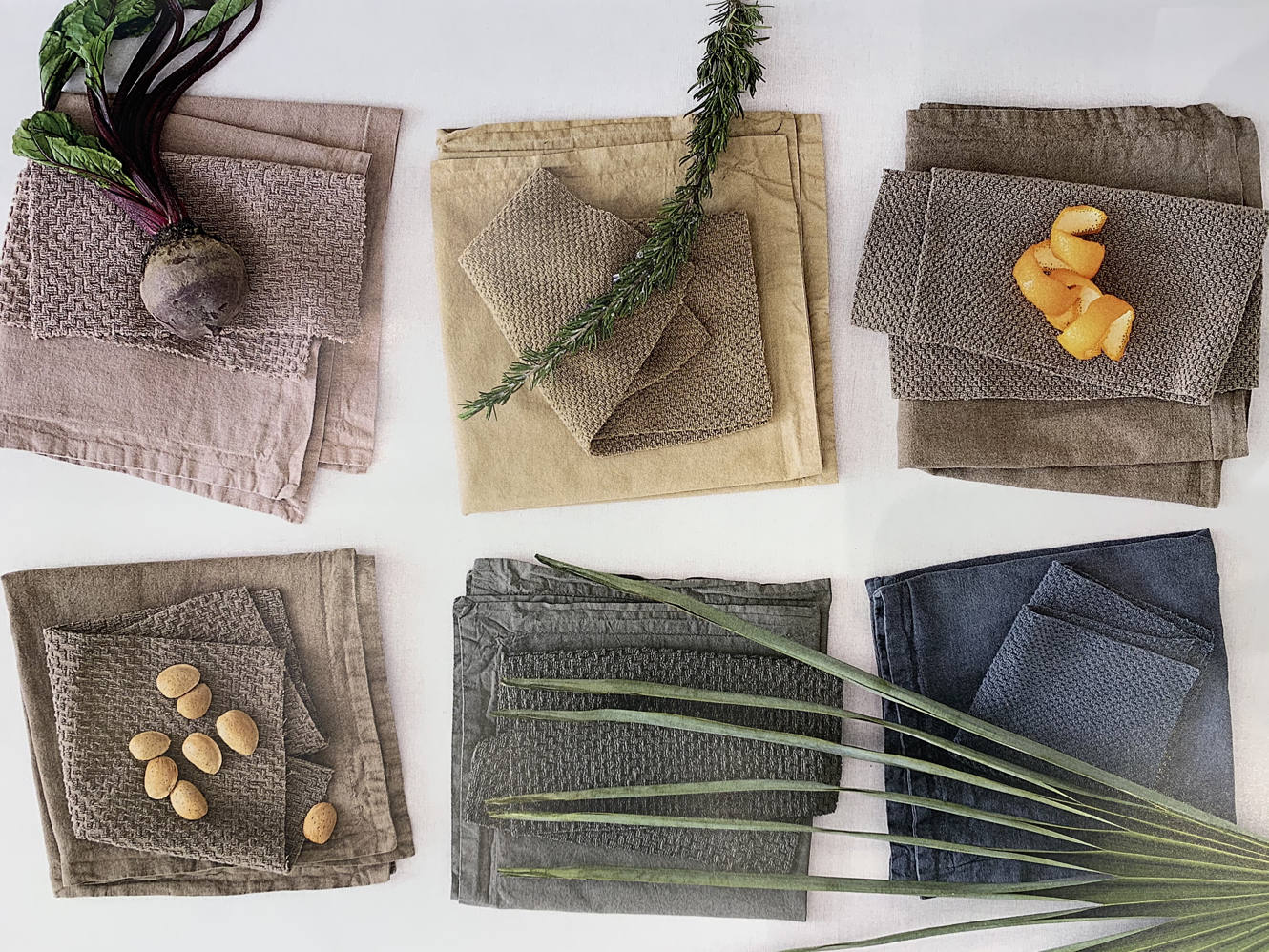
environmental protection materialWe are breathing new life into home textiles, offering not only sustainable alternatives but vibrant aesthetic possibilities. Each material has its own unique appeal, ensuring sophistication and sustainability go hand in hand.
- What is Organic Cotton? Organic cotton is grown without the use of harmful pesticides or synthetic fertilizers, making it an excellent sustainable choice. Plus, it’s unmatched in softness and breathability, making it perfect for everything from bedding to upholstery.
- What is recycled polyester fiber? Recycled polyester is made from discarded plastic bottles, not only reducing polyester-based waste but also saving valuable resources. It’s durable and will bring an upscale vibe to any decor.
- What is cupro fabric? Cupro fabric is a regenerated cellulose fiber derived from the unused parts of the cotton plant. With the silky feel of cashmere and the moisture-wicking properties of Tencel, cupro has become a great choice for eco-conscious home textile lovers.
- What is Tencel? Tencel is made from sustainably sourced wood, known for its smoothness and breathability. It is an excellent eco-friendly home textile fabric with a luxuriously soft hand.
- What is marijuana? Highly durable and naturally resistant to microbes, hemp requires very little water and no pesticides to grow. Its rustic charm makes it a great choice for home textiles with a natural vibe.
With these materials and more, you can enhance your home decor with interesting textures, dynamic colors and stunning designs, all while making a positive contribution to the planet.
Using environmentally friendly manufacturing processes
Employing green manufacturing processes is another pillar of sustainability in home textiles. These environmentally friendly methods are designed to minimize waste, conserve energy and reduce harmful emissions.
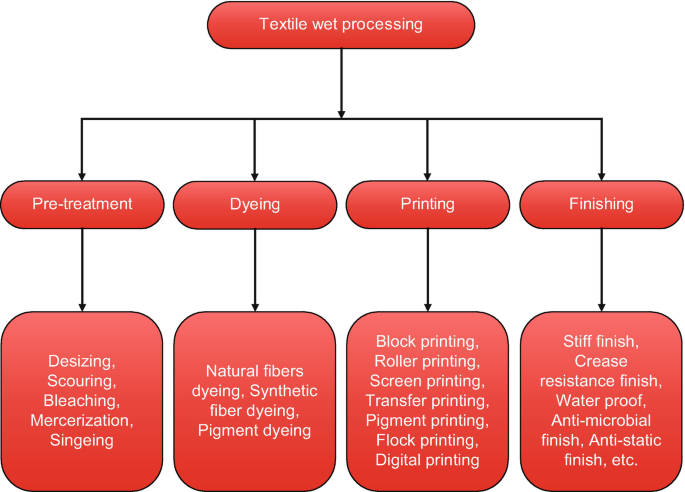
From using natural dyes to choosing energy-efficient appliances, every step counts. This proves that the journey of creating beautiful home textiles need not harm the planet.
Ensuring fair trade in home textiles
fair Trade It is also a key component of sustainable development. It guarantees that all individuals involved in the production process are treated ethically and paid fairly.
This helps create a positive working environment and moves the industry forward in a fair manner, making sustainable textiles a source of pride and joy for everyone involved.
How to Incorporate Sustainable Sophistication into Your Home
Moving your home decor towards sustainable sophistication is easier than it sounds. Here’s your guide, broken down into easy-to-follow steps:
- review: Start with an honest assessment of your current decor. Identify items that are not environmentally friendly and can be replaced.
- research sustainable brands: Invest time in identifying Brands that prioritize sustainability. Check out their manufacturing process, materials used and fair trade practices.
- Choose environmentally friendly materials: Prefer home textiles made from sustainable materials such as organic cotton, recycled polyester, cupro, Tencel and hemp.
- Choose quality over quantity: Choose high-quality items that are available in smaller quantities and last longer, rather than many disposable items.
- Invest in Timeless Design: Don’t follow the latest fashion, invest in classic, timeless and versatile pieces.
- Recycling and Upcycling: Instead of throwing away old items, consider whether they can be recycled, reused, or upcycled.
- Energy Efficiency Matters: When purchasing electrical appliances, choose electrical appliances with high energy efficiency ratings.
- Consume mindfully: Pay attention to your choices. Before you buy something, always ask yourself if you need it.
Remember, these steps are a guideline only. The most important thing is to develop a mindset that prioritizes sustainability in everyday choices, no matter how small.
A sustainable future for home textiles
There is also an exciting avenue for sustainability in home textiles. We are likely to witness further innovations in materials and manufacturing processes, increased brand transparency and a deeper awareness of sustainability among consumers.
As more brands and homeowners gravitate toward this approach, sustainable sophistication may well become a defining feature of the home textiles landscape in the future. Join us in shaping this exciting future.
in conclusion
Infusing sustainable sophistication into home textiles offers a new, more conscious way of defining luxury. It goes beyond mere aesthetics and brings an element of caring – to our planet, the workers involved, the manufacturing process, and even our health and wellbeing.
Furthermore, as more and more brands embark on this journey Consumers are becoming more attentivesustainable development will not be just an alternative, but is fast becoming a desirable mainstream.
Frequently Asked Questions
Q: What does sustainable sophistication mean for home textiles?
It refers to the fusion of luxury and eco-friendliness in home textiles, including the use of sustainable materials, environmentally friendly manufacturing processes and fair trade practices.
Q: What materials are considered sustainable home textiles?
Organic cotton, recycled polyester, cupro, Tencel and hemp are just a few examples of sustainable materials used in home textiles.
Q: Why is fair trade important in the context of sustainable development?
Fair trade increases sustainability by ensuring that everyone involved in the product creation process is treated ethically and paid fairly.
Q: How do I incorporate sustainable sophistication into my home?
You can start by choosing brands that align with sustainable values, choose eco-friendly materials, and invest in timeless designs instead of fast-fashion home decor.
Q: What is the future of sustainability in home textiles?
The future is likely to bring further innovations in materials and manufacturing processes, increased transparency, and increased consumer awareness of sustainability.

