


Post views:
5
Businesses have many options software development. A popular choice is a low-code/no-code platform, which allows you to create custom applications without any coding. On the other hand, custom software is developed specifically for your business and can be better suited to your needs. So, which option is right for you?
Well, deciding between low-code/no-code and custom software development can be difficult. It’s critical to understand the differences between these two options and what each can offer your business. This article will compare low-code/no-code vs custom software and help you decide which solution is best for your business!
What is low-code/no-code development?
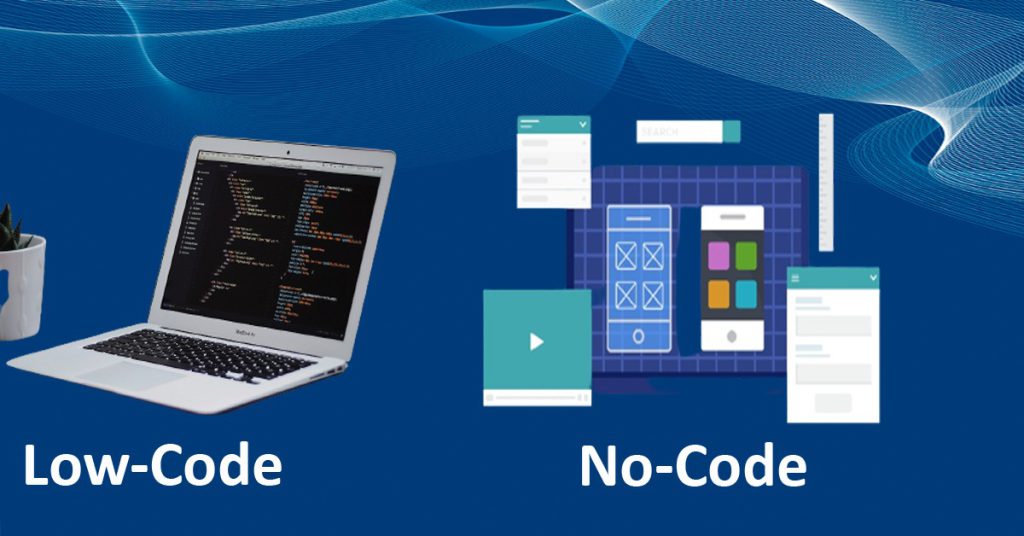
The low-code/no-code platform is easy to use. Low-code/no-code platforms are visual programming platforms that allow users to create custom applications without any coding. These platforms offer graphical interfaces and drag-and-drop functionality, so anyone can create applications without any coding experience.
These platforms come with a large library of pre-built components that can be used to build applications. This means you don’t have to start from scratch, saving you a lot of time and effort. This makes them ideal for businesses that don’t have the resources to invest in a mature development team.
Key Features of Low-Code/No-Code Development
visual interface
One of the key features of using a low-code or no-code platform is the visual interface. This makes it easy for non-technical users to create applications without writing any code. The drag-and-drop nature of most low-code platforms allows anyone to create applications, regardless of their technical skills.
reusability
Another key feature of low-code/no-code platforms is reusability. This means that you can use pre-built components to create your application, which can save you a lot of time and effort. You can also reuse components across different applications, reducing development time.
powerful functions
Despite their visual interface and ease of use, these platforms can be used to create powerful enterprise-grade applications. This is because most platforms offer a wide range of features and functionalities that can be used to build complex applications.
Cross-Platform Accessibility
Low-code/no-code platforms are designed to be accessible from anywhere. This means you can use them to create apps that can be used on any device. This is a significant advantage over traditional development methods that can be tied to a specific platform.
Advantages of low-code/no-code development
Save money and resources
One of the biggest advantages of using a low-code/no-code platform is that it can save your business a lot of money. Since anyone can use these platforms to create custom applications, you don’t need to hire a dedicated development team.
Additionally, the low-code no-code platform comes with a library of pre-built components that can be used to create applications. This means you don’t have to start from scratch, saving you a lot of time and effort.
faster development time
Plus, it helps you create custom applications in a fraction of the time it takes to use traditional methods. This is because you don’t need to write any code, and components can be reused across different applications. This means you can get your application up and running quickly.
increase productivity
Low-code/no-code platforms can also help increase productivity as they make it easy for non-technical users to create custom applications. Because anyone in your organization can create applications, you don’t need to rely on a dedicated development team.
This increased level of accessibility can significantly increase productivity as more people can create custom applications.
Seamless integration and lifecycle support
Low-code/no-code platforms are designed to easily integrate existing systems and processes. This means you can quickly add custom applications to your existing infrastructure without any disruption.
Additionally, most low-code/no-code platforms offer lifecycle support, which means they will continue to work as your business grows and changes. This is a significant advantage over traditional development methods that can quickly become obsolete.
Improve agility
A low-code/no-code platform can help increase your business agility. This is because you can quickly deploy custom applications, which can help you respond to market changes in a timely manner.
Additionally, the low-code/no-code platform is designed to easily integrate with existing systems. This means you can quickly add new applications to your infrastructure. This increased agility can help you gain a competitive advantage in the marketplace.
Disadvantages of low-code/no-code development
limited functionality
One of the main disadvantages of low-code/no-code platforms is that they can be limited in functionality. This is because most platforms only offer a limited set of features and functionality. This can be a problem for businesses that need to create complex applications.
Also, customizing a low-code/no-code platform to create the exact application you need can be challenging.
platform dependent
Another disadvantage of low-code/no-code development is that it can create platform dependencies. This is because most businesses need to use a specific platform to develop their applications.
This can be a problem if the platform is not well supported or goes out of business. Also, migrating an application from one low-code/no-code platform to another can be difficult.
security restrictions
Low-code/no-code platforms can also be limited in terms of security. This is because most platforms offer a limited set of security features. This can be a problem for businesses that need to create applications that handle sensitive data.
business logic complications
Another disadvantage of low-code/no-code development is the difficulty in creating business logic. This is because most platforms only offer a limited set of features and functionality, which makes developing complex applications challenging.
vendor lock-in
Another disadvantage of using a low-code/no-code platform is vendor lock-in. This means that if you decide to switch to another platform, you have to start from scratch. This is because most of your data will not be compatible with the new system.
5 Low-Code/No-Code Application Examples
What is custom software development?
Custom software development is the process of designing, creating, deploying, and maintaining software applications for specific users, functions, or organizations. Unlike off-the-shelf software that is mass-produced and available to everyone, custom software is created specifically for a specific user or organization.
This Development of custom software It usually begins with an assessment of requirements and business domains, followed by the development of a software specification. Once the specification is complete, the actual software development can begin. Once the software is created, it must be deployed and maintained.
Advantages of custom software development
personalise
Personalization is one of the main advantages of custom software development. It allows you to personalize your application to meet the specific needs of your business. This means you can add or remove features as needed, which can help you be more efficient and productive.
Additionally, customization allows you to integrate applications with existing infrastructure, which can help you improve communication and collaboration.
exclusive ownership
Another advantage of custom software development is that you will have exclusive ownership of the software. This means you can customize the software to meet your specific needs without worrying about licensing or other restrictions.
High security and reliability
Another advantage of custom software development is that it can provide high security and reliability. This is because custom software is designed specifically for your business, which means it can be tailored to meet your specific security needs.
They can also be developed with built-in security features, which can help you protect your data from unauthorized access. Additionally, custom software development can provide a higher level of reliability. This is because it can be tested and deployed in a controlled environment.
Ongoing Support and Maintenance
When you develop with custom software, you get ongoing support and maintenance. This means that if there are any bugs or problems with the software, you can contact the development team to fix the problem.
Additionally, most custom software development companies offer annual maintenance contracts that give you access to new features and updates. This can help you keep your software up to date and improve its overall performance.
Flexibility and Scalability
Custom software development is also flexible and extensible. This means you can easily add or remove features as your business needs change. Plus, custom software can be designed to grow your business, meaning you don’t have to replace it as your company grows.
Disadvantages of custom software development
More expensive
One of the main disadvantages of custom software development is that it can be expensive. This is because you will have to pay for the development team’s time, which can be expensive. In addition, you may also be required to pay license fees and other fees associated with the development process.
time consuming
Another disadvantage of custom software development is that it can be time-consuming. This is because the development process can take several months. Also, you may have to wait for the software to be deployed and tested before you can use it.
risk of failure
There is also a risk of failure with custom software development.This is because development path Using different techniques can be complicated. Also, there is always the possibility that something goes wrong. This may result in the software not being used or having to be completely rewritten.
When to use low-code/no-code development?
Low-code no-code development is a great option when you need to quickly create simple applications. They can be completed in less time and cost less than custom software development.
Also, low-code/no-code development is a great option when you don’t have the resources or expertise to develop a custom solution. These developments can be done using drag-and-drop tools, making it easy to create applications without writing code.
When to use custom software development?
Custom software development is a great option when you need a custom or complex solution. This type of development can take longer and be more expensive. However, it will provide you with solutions that are tailored to your specific needs and have growth potential.
Also, custom software development is a good option when you need a high level of security and reliability. This type of development can be designed with built-in security features. This helps you protect your data from unauthorized access.
Finally, custom software development is a great option when you need ongoing support and maintenance. This type of development can be supported through an annual maintenance contract. So you will always have access to new features and updates.
An experienced technical advisor may guide you in choosing the solution that best suits your needs. Consider talking to some people before making this critical decision.
Which option is right for you?
Both low-code/no-code development and custom software development are valid options that offer different benefits. Your best option will depend on your specific needs and requirements. If you need a quick and easy solution, low-code/no-code development might be your best option. If you need highly customized and complex solutions, custom software development may be the best option.

